Josh Jensen
11 articles

Axe Heads and Parapets: Legal Edge Cases?
How relevant to the modern reader are the flying axe head of Deuteronomy 19:5 and the roof parapet of Deuteronomy 22:8? Indeed, how relevant were they to the daily lives of Israelites thirty-five hundred years ago? Suppose that accidental falls from rooftops were exceedingly uncommon in ancient Israel, or that…
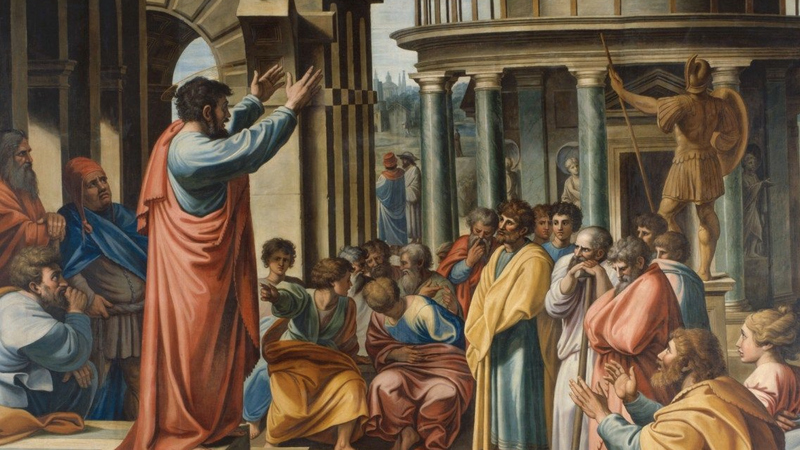
Jonah’s Pauline Move: Finding Mercy for Gentiles in Texts about Mercy for Israel
Jonah is Paul’s typological opposite. Indeed, in the whole Old Testament, it would be difficult to find a more perfect foil to Paul than Jonah. Whereas Paul crosses the sea to enact God’s saving purposes for the Gentiles, Jonah crosses the sea to avoid bringing Gentiles God’s mercy. For that…
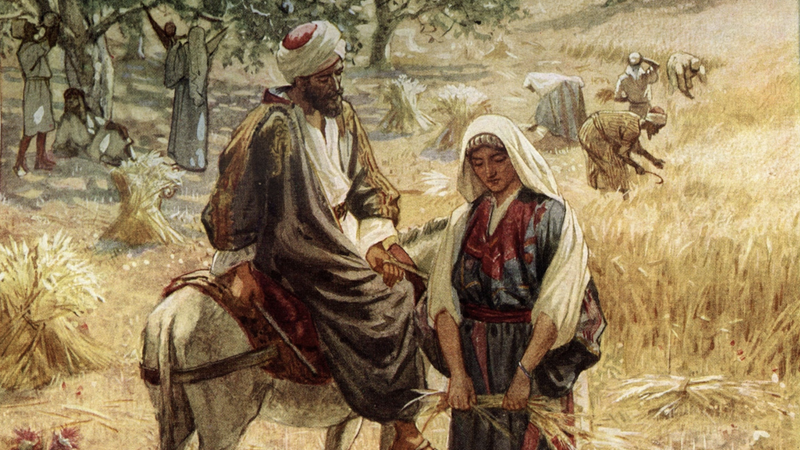
Work and Gratitude in Ruth
In a previous essay , I argued that the story which begins with Lot and culminates in Ruth’s great-grandson David follows God’s five-fold pattern of creative work as laid out by Jim Jordan: taking something in hand (in this case, the Abrahamic family), restructuring it, distributing the product of labor,…
Lot, Ruth, and the Work of New Creation
“In accordance with the creation pattern, God sovereignly took hold of Adam and put him to sleep. Then God divided Adam by removing flesh and bone from his side, and restructured humanity into male and female. When Adam awoke, God distributed the woman to him. Adam gazed upon her and…

Jesus is the Way to the Tree of Life
When Jesus says in the farewell discourse that his disciples know the way to where He is going, Thomas replies: “We do not know where you are going. How can we know the way?” Jesus answers Thomas, but He gives Thomas more than he asked : “I am the way,…

Abraham’s Seed: Heavens, Earth, and Sea Made New
In a recent post , I explored the threefold order of creation—heavens, earth, and sea—and suggested that in Genesis 1 God stamps heaven’s order, his own threefold nature, on the creation, giving earth a trinitarian shape. So what happens to the three-level architecture of creation after Genesis 1? We don’t…

The World is Charged with the Threeness of God
The Missing “It Was Good” The patterns and repetitions of Genesis 1 are well known: God speaks, it happens, and God sees that it’s good; names are given, and there’s evening and there’s morning: a day. But the patterns of creation, like the patterns throughout Scripture, are marked by variation…

The View from Gerar: Looking Back to Moriah (and Forward to Sinai)
In his discussion of the biblical type scene, Robert Alter speaks of the “patterns of repetition, symmetry, [and] contrast” which characterize the narratives of Scripture, patterns that give pleasure to the reader while also building up a web of meaningful connections between texts. 1 But if readers are to notice…
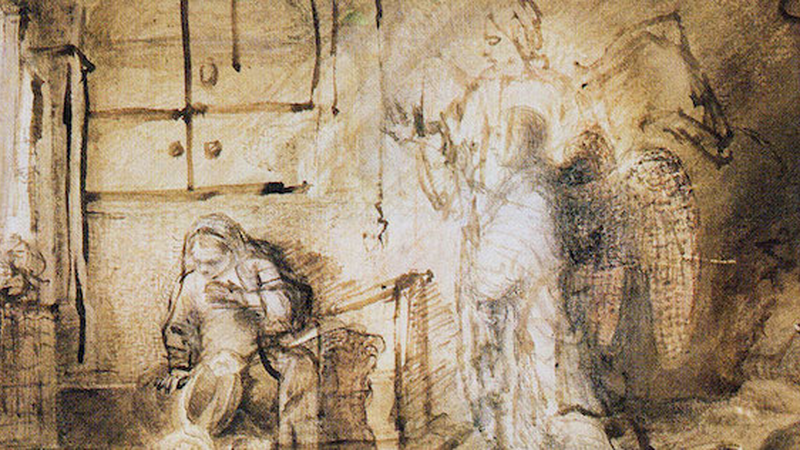
He Comes to Make His Blessings Known: "Son of David" and "Son of Abraham" in Matthew 1:1
The Gospel of Matthew—indeed, the New Testament—begins with a list of names, and that list of names is introduced by this heading: “The book of the generations of Jesus Christ, the son of David, the son of Abraham.” Why start like this? Why “the son of David” and “the son…
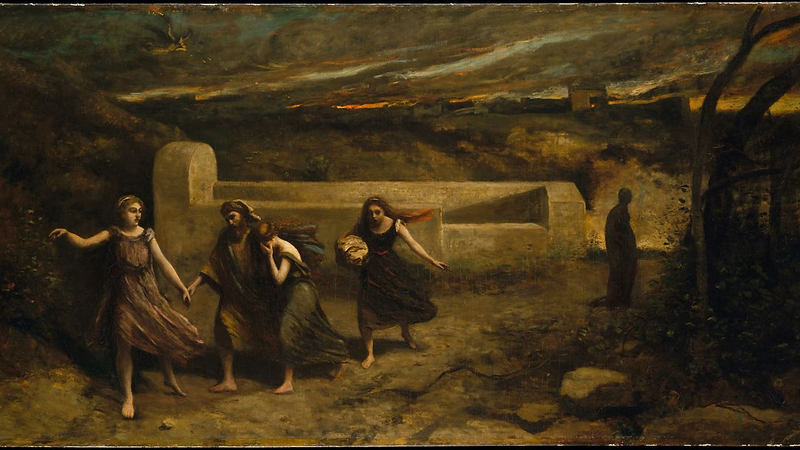
“But Lot’s Wife Behind Him”: Translating a Conjunction in the Sodom Story
“The sun had gone up on the earth when Lot came to Zoar. And the LORD rained on Sodom and on Gomorrah sulfur and fire from the LORD from heaven, and he devastated those cities and the whole valley and all those dwelling in the cities and the growth of…
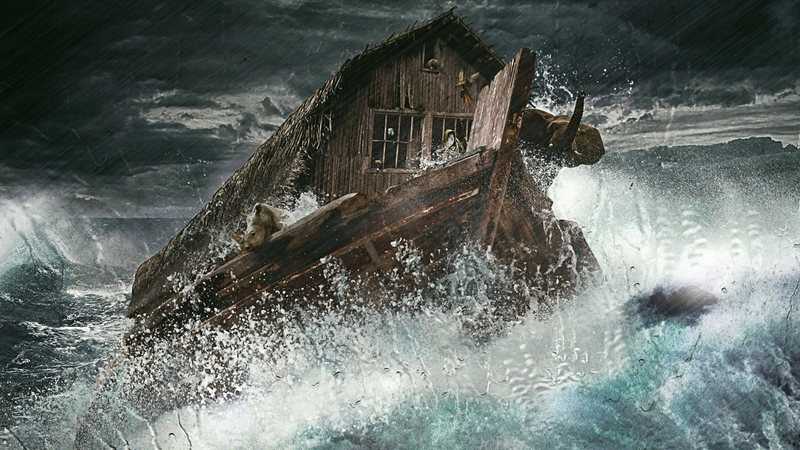
Spending Time with Noah: Reflections on Prepositions in the Flood Narrative
In my work as a Bible translator, I was recently checking our translation team’s draft of Genesis 8:8, which says of Noah (translating the Hebrew quite literally): And he sent out the dove from with him to see: had the waters lessened from upon the face of the ground? Part…