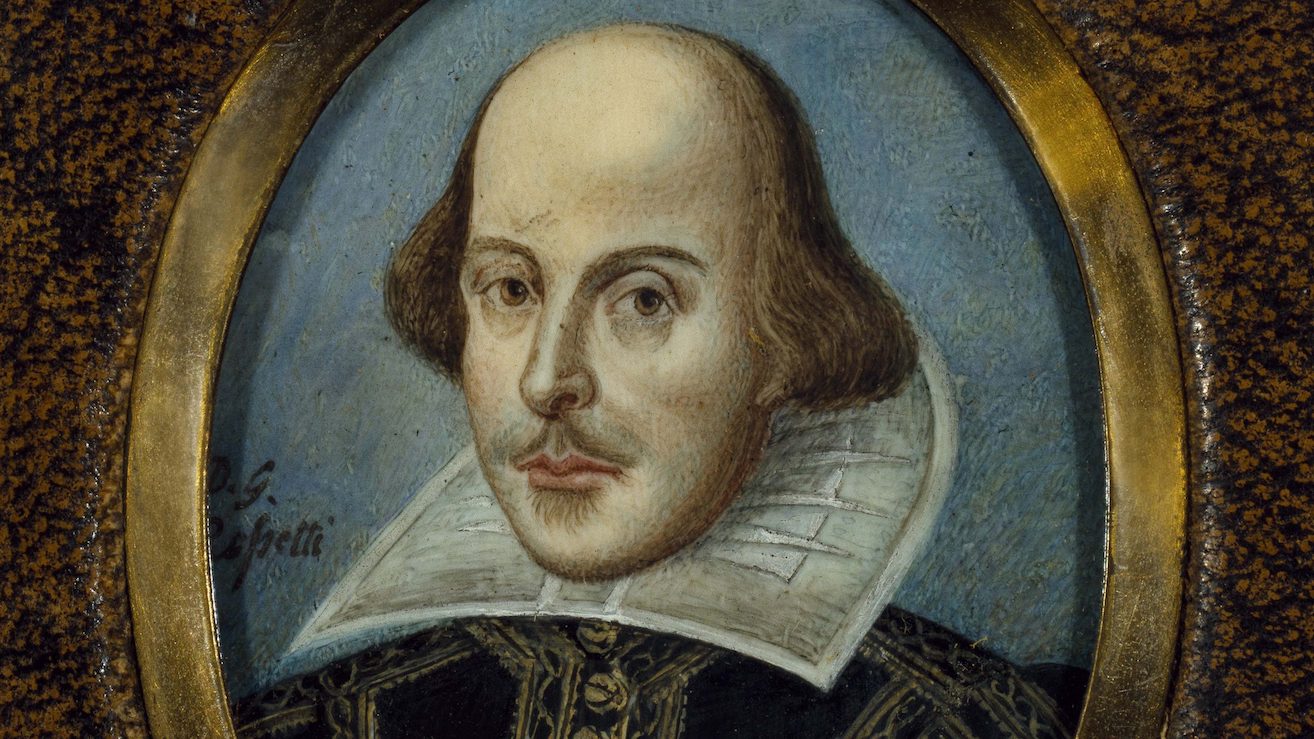
Ecclesiastes teaches that all is vapor, nothing but vapor. Trying to shape and control the world is, Solomon teaches us, like trying to scupt the mist (the image comes from Jim Jordan).
Every ancient sage came to the same conclusion as Solomon. But for most ancient sages this realization led either to resignation (Stoic) or denial (Epicurean), to the alternatives that David Hart identifies as tragic melancholy and tragic joy. But frustration at the vaporousness of the world follows if we we EXPECT to be in control of it, if we think that it SHOULD yield to us and fulfill our every desire, if we have some claim by right to sovereignty over creation. But of course we do not. Frustration in the face of a vaporous world is just frustration at creatureliness, and the obverse of the desire to be as God.
On the other hand, tragic melancholy and tragic joy might come from the believe NO ONE is in charge, that not even god or the gods can shape the vapor. That is indeed terrifying, but there is only one thing that can be said in response: it is simple unbelief.
What Solomon teaches us, in the end, is not that the world is designed to frustrate us. Rather, he teaches that the world is designed to teach us our creatureliness, to remind us continually that God is God and we’re not. The only proper response to that kind of world is trusting joy, joyful trust.
Peter Leithart
Peter J. Leithart is President of Theopolis Institute. He is the author of numerous books on theology, literature, and culture, including Theopolitan, Defending Constantine, and Baptized Body.
More from Theology
Continue reading related articles
In Praise of Thomas
Gotta love ol’ Tommaso d’Aquino, a.k.a. Thomas Aquinas. The margins of my various copies of his works are full of notes of disagreement and question marks, but still: His toss-off arguments are usually deeper than the sustained arguments of lesser theologians. Here’s a pot pourri from the early part of…
Hoping For Love
In his 2007 encyclical on hope, Spe Salvi , Pope Emeritus Benedict XVI observes that the experience of loving and being loved is a moment of “redemption.” Love gives new meaning, new joy, new energy. Every love is a new birth. We long and hope for love. We want it…
Is All That's In God God?
Divine simplicity is often summarized in the axiom, "All that's in God is God." If this is taken at face value, though, it conflicts with Trinitarian orthodoxy. 1) By this axiom, the Persons are identical with the essence of God. 2) But the Persons have (or are) identifying particularities or…
In Medias Res
Your weekly digest for all things Theopolis.