
The Hebrew word for "east" is mizrach . The Hebrew word for "altar" is mizbeach . A pun? Perhaps. The bronze altars in the tabernacle and temple were in the court to the east of the front doorway (the eastern) doorway of the sanctuary. The mizbeach was on the mizrach . A few associations suggest themselves. East is the direction of sunrise, the beginning of a new day. And each sunrise in the mizrach was greeted with a morning ascension offering on the mizbeach . As the sun ascended from the eastern horizon to heaven, smoke ascended from the altar. Smoke from the eastern altar tracks the sun, or vice versa. Sunrise is an ascent, an offering in fire; sacrifice is a sunrise. East is also the direction of exile from Yahweh's presence. Adam and Eve were expelled from the garden, and cherubim were placed at the eastern gate to prevent their re-entry. Cain was expelled to a land "east of Eden." West to east is movement away from Yahweh's presence; east to west is a procession into His presence. The sun makes a daily recapitulation of the history of humanity, from the furthest east to the western horizon, from the place of exile into the inner sanctuary. Sacrifice moves in the same direction, as the smoke goes from the eastern altar to the Lord who receives it as a soothing aroma.
Peter Leithart
Peter J. Leithart is President of Theopolis Institute. He is the author of numerous books on theology, literature, and culture, including Theopolitan, Defending Constantine, and Baptized Body.
More from Biblical Studies
Continue reading related articles
The Bible and the Middle East
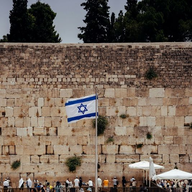
Does Bible study matter - I mean, in the real world? Who cares what anyone thinks of Adam or Abraham, whether you're pre-, a-, or post-mil, when missiles are flying from Israel to Iran and back? Yes, Bible study matters, especially in the midst of today's war in the Middle…
Enemies into Friends
This essay was first published at FirstThings.com in September 2019. Given recent debate about justice, friends, and enemies, it seemed useful to repost it here. A third of the way through the Book of Acts, a man named Saul takes over the narrative. Like Israel’s King Saul, this Saul is…

The Bible in the Ancient East
Jeffrey J. Niehaus’s Ancient Near Eastern Themes in Biblical Theology is a superb introduction to the subject. In a brief 180 pages, he examines the parallels between Israel and the surrounding Gentiles in their conceptions of God and kinship; their notions of covenant, law and conquest; their views on the…
In Medias Res
Your weekly digest for all things Theopolis.