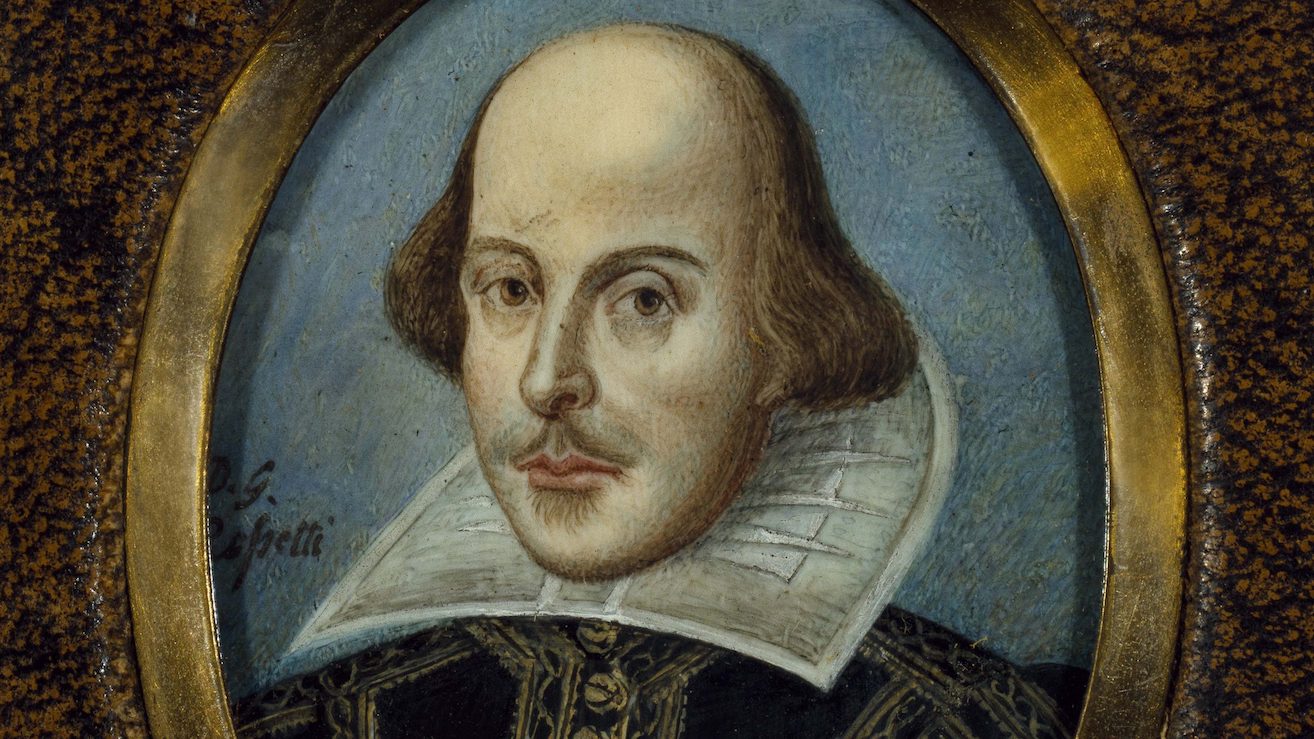
Larry Schweikart, America’s Victories: Why the U. S. Wins Wars and Will Win the War on Terror . New York: Sentinel, 2006. 324 pp.
Many Americans regard the military as a world apart, a strange world of rank and ritual, tradition and respect, everything that the rest of America is not. Not so, argues University of Dayton history professor Larry Schweikart in this unabashedly patriotic book. America has been successful in war largely because the military has been so, well, so American. Illustrating his points with vivid descriptions of individual battles, he claims that America’s military is the most humane, most self-critical, and most democratic in history. Technologies developed in America’s robust private sector are put to military use, and, unlike many other militaries in history, the various branches of the American armed forces actually communicate with one another. Even protest and the hostility of the media and entertainment industries has only strengthened the military, pushing leaders to be more protective of troops and to look for comparatively safer and more efficient ways to fight.
Peter Leithart
Peter J. Leithart is President of Theopolis Institute. He is the author of numerous books on theology, literature, and culture, including Theopolitan, Defending Constantine, and Baptized Body.
More from History
Continue reading related articles
Realness of Things Past
Greg Anderson began thinking about the thesis of his Realness of Things Past while working on a book on the “state” in classical Greece. He discovered there was no such thing as an Athenian “state,” and that conclusion led him to question the way historians do history. Instead of running…
The Power of the Margins
David Martin (1929-2019) was a secularization skeptic. He acknowledged that modern societies typically undergo a process of "differentiation," in which various sectors of social and political life free themselves from the oversight of religious authority. He acknowledged that in many modern societies religious institutions and values are "marginalized." But he…
Zwinglian Symbolism
Nathan Mitchell (writing in the Oxford History of Christian Worship , 324) denies that Zwingli taught a "mere symbolist" according to which the Supper "simply served to remind believers of the great benefits bestowed on them through Christ's passion and death." Zwingli wasn't a symbolist "in any modern sense." Mitchell…
In Medias Res
Your weekly digest for all things Theopolis.