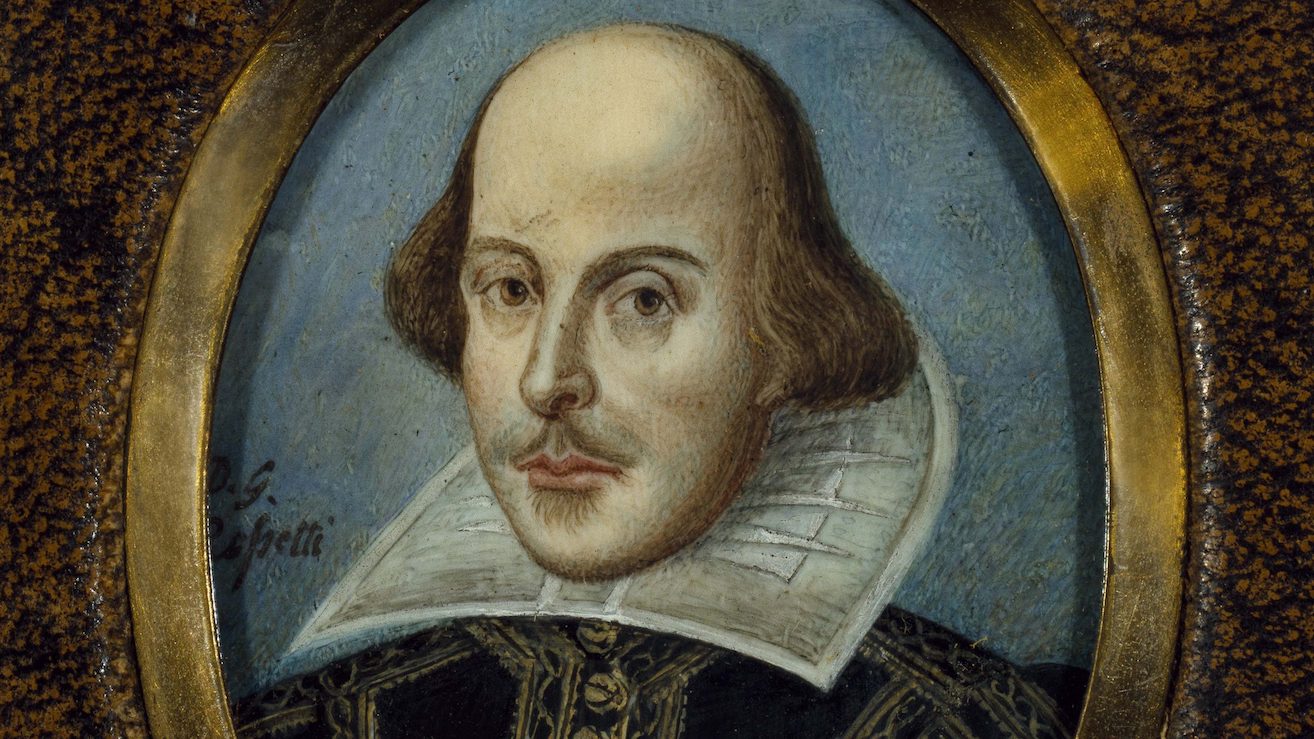
Since Harnack, theologians have glibly spoken of Anselm's Cur Deus Homo as a form of “atonement theory” or a “model” of atonement. According to Katherine Sonderegger, Harnack told the story of atonement theology in terms of a set of “competing ‘models,' each with schools and eponymous heads”: “Harnack’s nineteenth-century magisterial history, The History of Dogma , set the tone and gave the language for the modern opposition to Anselm’s doctrine: it was an ‘objective model of the atonement,’ he said, set over against the ‘subjective model’ offered by the twelfth-century scholastic and sometime monastic, Abelard, and provided the framework for the Protestant scholastic doctrine of ‘penal substitutionary atonement'” (342).
Treating Anselm as an “icon” of a school of atonement, though “stylized . . . flattened and distorted” his treatise. Not only does Anselm offer more than a “model”; the treatise is about more than “atonement,” and its reasoning cannot be captured in Harnack's binaries of objective/subjective or logical/narrative. Sonderegger writes, “Cur Deus Homo examines the rational structure of the whole course of God’s providential and redeeming work, showing how the scriptural record is intellectually sound, necessary and fitting, and God’s character merciful, gracious and wise” (343).
Adam Johnson ( Atonement: A Guide for the Perplexed ) offers a complementary analysis. He observes the “rich and varied account of the work of Christ” that were developed by theologians from Irenaeus to Edwards, and argues that since the Enlightenment “Christ's work tended to be treated one-dimensionally” as “talk of ‘theories' of atonement became commonplace” (36).
Framing can distort the picture within the frame, and perhaps our grasp of the work of Christ is twisted both by the category of “theory” and by the very category of “atonement.”
(Sonderegger, “Anselm, Defensor Fidei,” IJST 9:3 [2007]: 342-59.)
Peter Leithart
Peter J. Leithart is President of Theopolis Institute. He is the author of numerous books on theology, literature, and culture, including Theopolitan, Defending Constantine, and Baptized Body.
More from Atonement
Continue reading related articles
Gospel as Atonement Theory
In a characteristically pithy essay, Robert Jenson has decried the “two paired errors” of traditional atonement theory. On the one hand, the cross is separated “from its future, in the resurrection” and, on the other, from “its past in the canonical history of Israel.” For the apostles, crucifixion is “anything…
Zoom Lens Atonement Theory
Many years ago, I critiqued traditional sacramental theology for overusing the zoom lens. Many debates and many theological formulations focus on the metaphysics of the bread and wine, and ignore other critical features of the Eucharistic event - the gathered church, eating and drinking, the specific type of food and…
Triune Atonement
In his Atonement: A Guide for the Perplexed , Adam Johnson calls the doctrine of the Trinity the “foundation” of the doctrine of the atonement. The atonement only makes sense in the light of a richly Trinitarian theology proper. Johnson shows how the Trinity is necessary both to explain the…
In Medias Res
Your weekly digest for all things Theopolis.