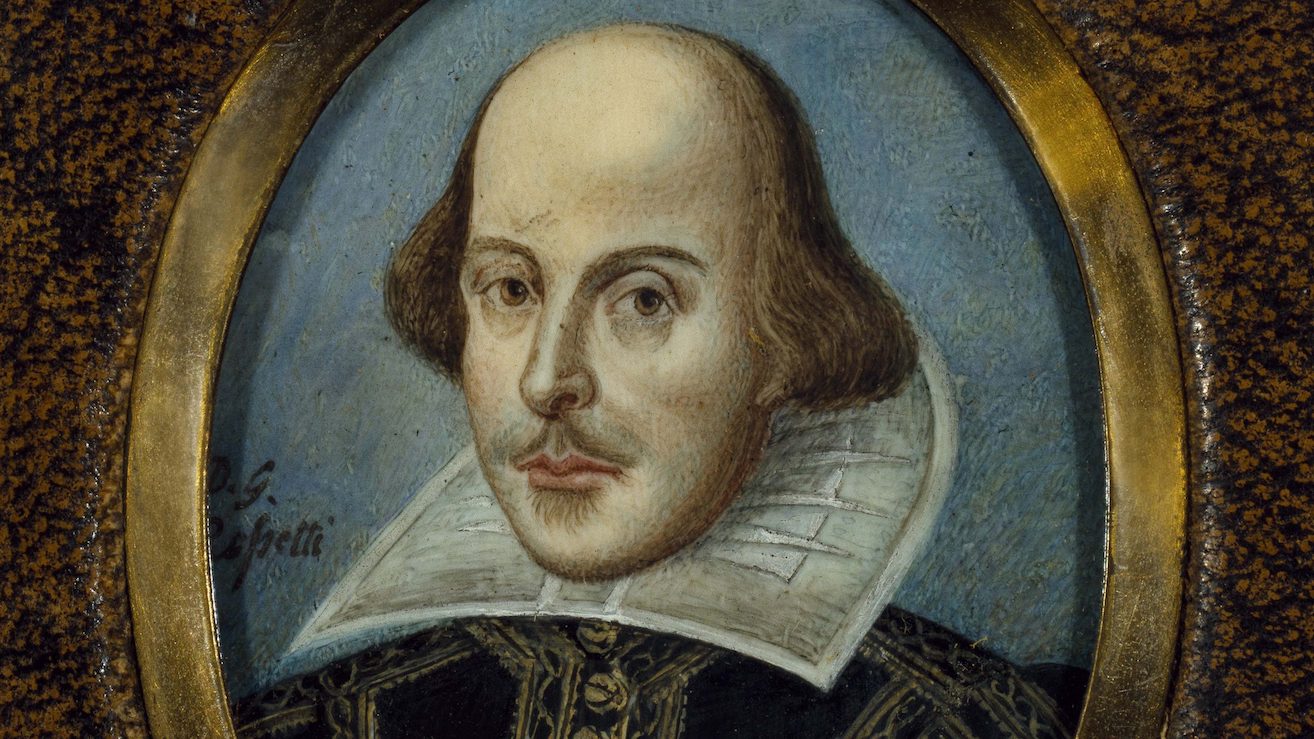
Augustine, Paula Fredriksen found ( Augustine and the Jews ), radically revised the common Christian views on the Old Testament and Judaism, embodied in the adversus Iudaeos tradition that stretched back to Justin’s treatises against Trypho the Jew. It started with a public debate with the Manichean Fortunatus. Though he left Fortunatus tongue-tied, Augustine was shaken by the sense that Fortunatus had been able to make the apostle Paul sound uncomfortably close to Manicheanism. Augustine found that some of the traditional Christian arguments actually played into Manichean hands. Though he defended the Old Testament against Marcion, for instance, Tertullian shared much of Marcion’s distaste for the fleshly and vulgar narratives and rites of the Old Testament. Not everyone went as far as Origen, who claimed that God never intended Israel actually to perform animal sacrifices, but that was the drift of much Christian apologetic. Attacks on Jewish “literalism” and Christian “spiritual” exegesis didn’t help. To Christian claims that the new covenant is a “spiritual” covenant, the Manicheans responded, with some plausibility, Then why do you still have the “fleshly” Old Testament in your Bibles? After his debate with Fortunatus, Augustine embarked on intensive study of Paul and of Genesis. From his study of Paul, Augustine learned that the apostle never condemned the Law as such, nor condemned the Jews for keeping it. On the contrary, Paul’s complaint was that the Jews failed to keep the Law. It dawned on him that, contrary to the earlier tradition, law and gospel were not opposed or contradictory, but simply two stages of God’s work in history to redeem the human race. These insights are at the heart of Augustine's treatise against Faustus. He argued that the Law given to the Jews was good, and that God intended them to keep it. By obeying the law according to the literal sense, in fact, Israel became a prophetic people, their entire religious and social life a shadow of the coming Messiah. Augustine thus brilliantly and seamlessly weaves approval of the literal sense of the Law into a typological hermeneutic. By this combination of literal and typological, Augustine purged the remnants of Manicheanism from his theology.
Peter Leithart
Peter J. Leithart is President of Theopolis Institute. He is the author of numerous books on theology, literature, and culture, including Theopolitan, Defending Constantine, and Baptized Body.
More from Augustine
Continue reading related articles
Augustine or Eusebius
The following is an excerpt from Against Christianity, published in 2003. It seems more relevant today, in the age of Trumpism, than it did when I wrote it. Much popular Christian history operates in what may be called a “Eusebian” mode, treating America as the culmination of redemptive history. Eusebius…
Miniaturizing Sin
Peter Brown reviews of Sarah Ruden's new translation of Augustine's Confessions in this weeks New York Review of Books . I can't speak to the translation, but I can speak to the reviewer: Everything Peter Brown writes is worth reading. He comments on Ruden's decision to translate dominus as "master"…
Old New World
It’s an old saw, but is it possible to read Augustine’s description of the corruptions of the Roman Republic ( City of God , Book 2) without a wince (or a wink) of recognition? “Only let it remain undefeated, they say, only let it nourish and abound in resources; let…
In Medias Res
Your weekly digest for all things Theopolis.