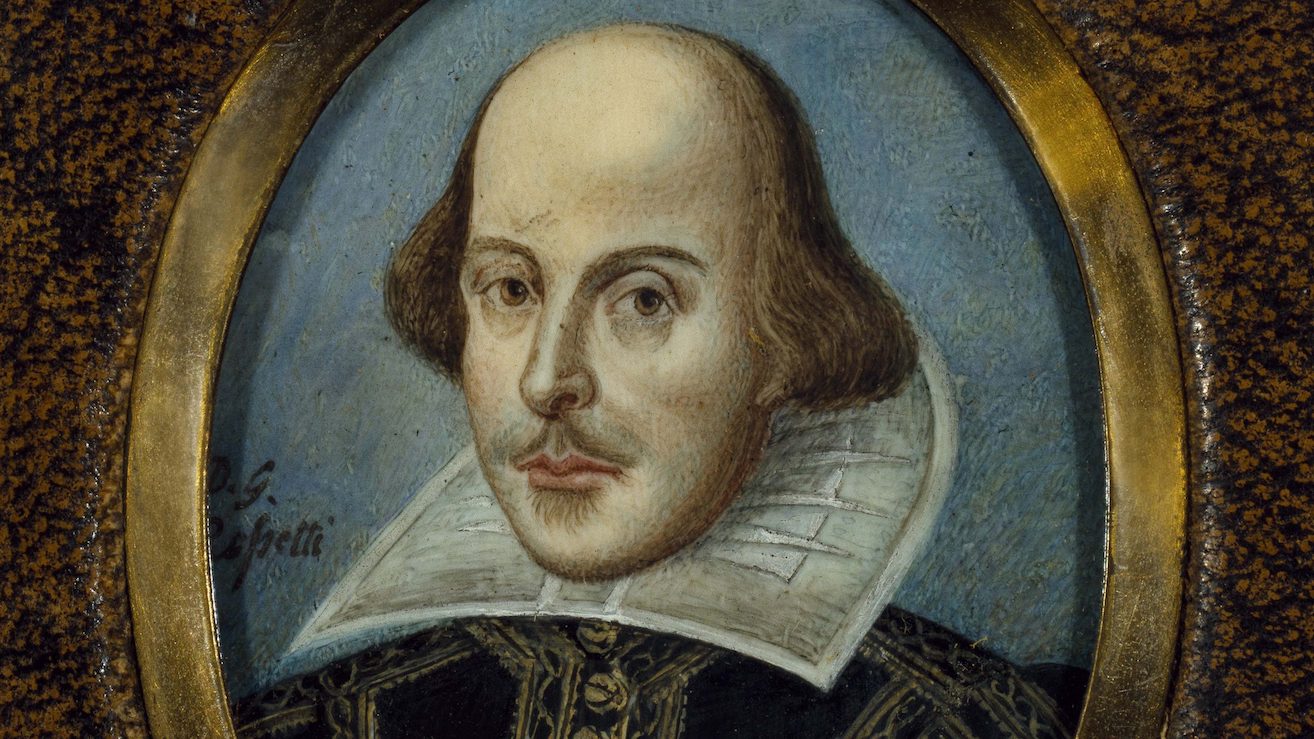
In her history of England, written at 15, Austen declares her favor toward the Stuart dynasty. She writes comically, but beneath the fun she is in earnest.
Irene Collins notes that her mother, Cassandra Leigh “liked to remember that her ancestor Thomas Leigh had received a baronetcy for welcoming Charles I at Stoneleigh Abbey in 1643 [a house which was still owned by relatives in Austen’s time, and which Austen visited], when the gates of Coventry were closed against him.” A century later, “Sir Thomas Leigh, Baron of Stoneleigh, [held] a room at the Abbey in readiness to receive Bonnie Prince Charlie in the ‘45.”
The Prayer Book sank in, for according to Collins “The most commonly held occasional services were those prescribed by the Prayer Book to be held annually on 5 November and 30 January, when Jane could have had the thrill of turning cold at the mention of ‘the most traitorous and bloody intended Massacre by GUNPOWDER’ and of the wickedness of ‘cruel and bloody men’ in taking the life of a most noble king.”
My earlier thesis confirmed: If Austen ever thought of Presbyterians, she disapproved of them (though she liked Walter Scott well enough).
Peter Leithart
Peter J. Leithart is President of Theopolis Institute. He is the author of numerous books on theology, literature, and culture, including Theopolitan, Defending Constantine, and Baptized Body.
More from Literature
Continue reading related articles
God's Plenty
A few thoughts on the “General Prologue” to Chaucer’s Canterbury Tales . 1) The Prologue sets the stage for a multi-layered set of tales. The real-life Chaucer is, of course, the author, but in the Prologue, he introduces a fictional version of himself as narrator: It happened in that season…
Violence as Poetry
Paul and Jane Sinclair, protagonists of J.G. Ballard’s 2000 novel Super-Cannes , move from England to the French Riviera to live at a new high-tech business park, Eden-Olympia (!), after Jane’s friend and former lover, Dr. David Greenwood, goes on a killing spree that ends with suicide. Jane, a pediatrician,…

Memento Mori
Virtually all the characters in Muriel Spark’s 1959 novel, Memento Mori , are over 70. They suffer the physical humiliations of aging and the pains of regret. Unexpectedly, hilariously, they’re as competitive and petty as schoolchildren. Well into his 80s, Godfrey Colston scorns the crippled critic Guy Leets for the…
In Medias Res
Your weekly digest for all things Theopolis.