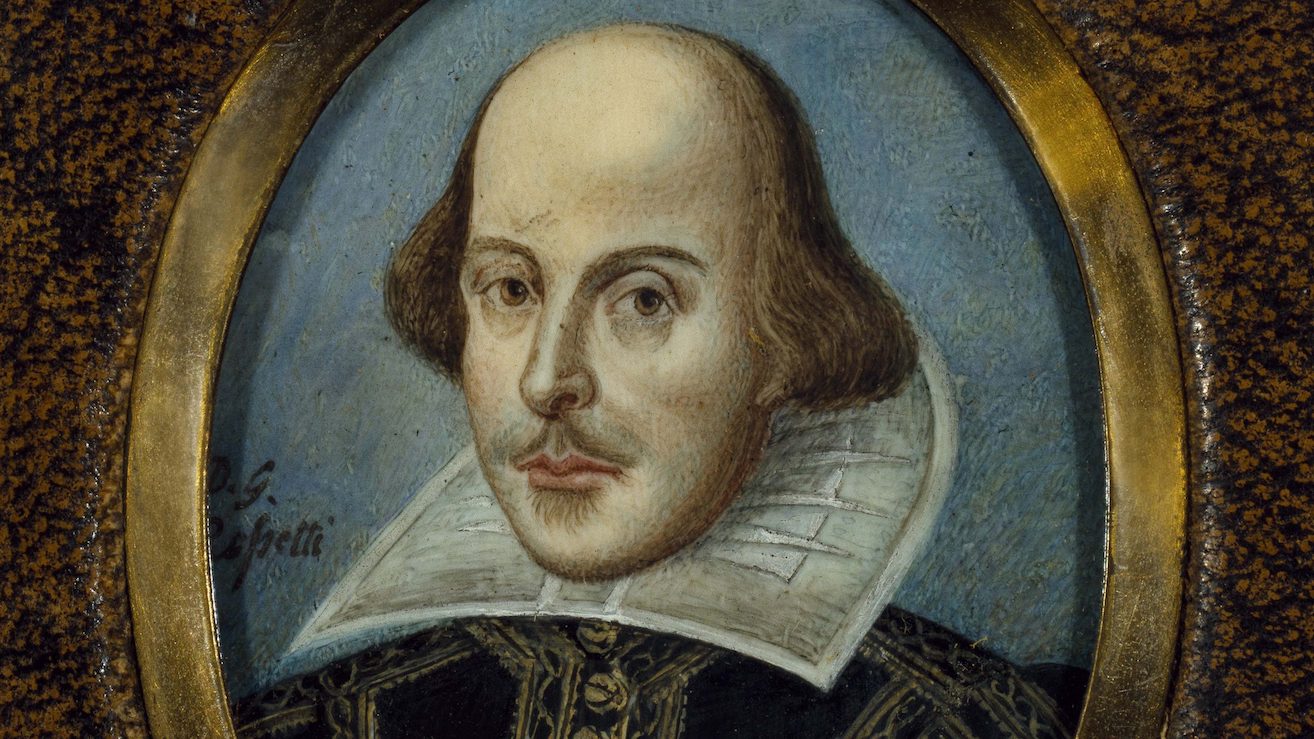
Boyish Greeks
Stephen McKnight points out in his recent The Religious Foundations of Francis Bacon’s Thought (University of Missouri, 2006) that Bacon dismissed classical Greek thought in favor of a knowledge both more ancient and more recent: “Bacon introduces another memorable image when he likens classical philosophy to an adolescent boy: both are sterile and incapable of producing or generating. This is, of course, an inversion of the Renaissance reverence for the classical age as a period of maturity and excellence, which must be recovered and emulated if humanity is to advance. Bacon, by contrast, portrays the classical period as humanity’s childhood and disparages his contemporaries, who hold such a vaulted opinion of the philosophy of Plato and Aristotle. According to Bacon, the wisdom ‘which we have derived principally from the Greeks is but like the boyhood of knowledge, and has the characteristic property of boys: it can talk, but it cannot generate.’”
Bacon proposed to move beyond classical thought and into generative maturity by drawing on resources more ancient than Plato and Aristotle.
Peter Leithart
Peter J. Leithart is President of Theopolis Institute. He is the author of numerous books on theology, literature, and culture, including Theopolitan, Defending Constantine, and Baptized Body.
In Medias Res
Your weekly digest for all things Theopolis.