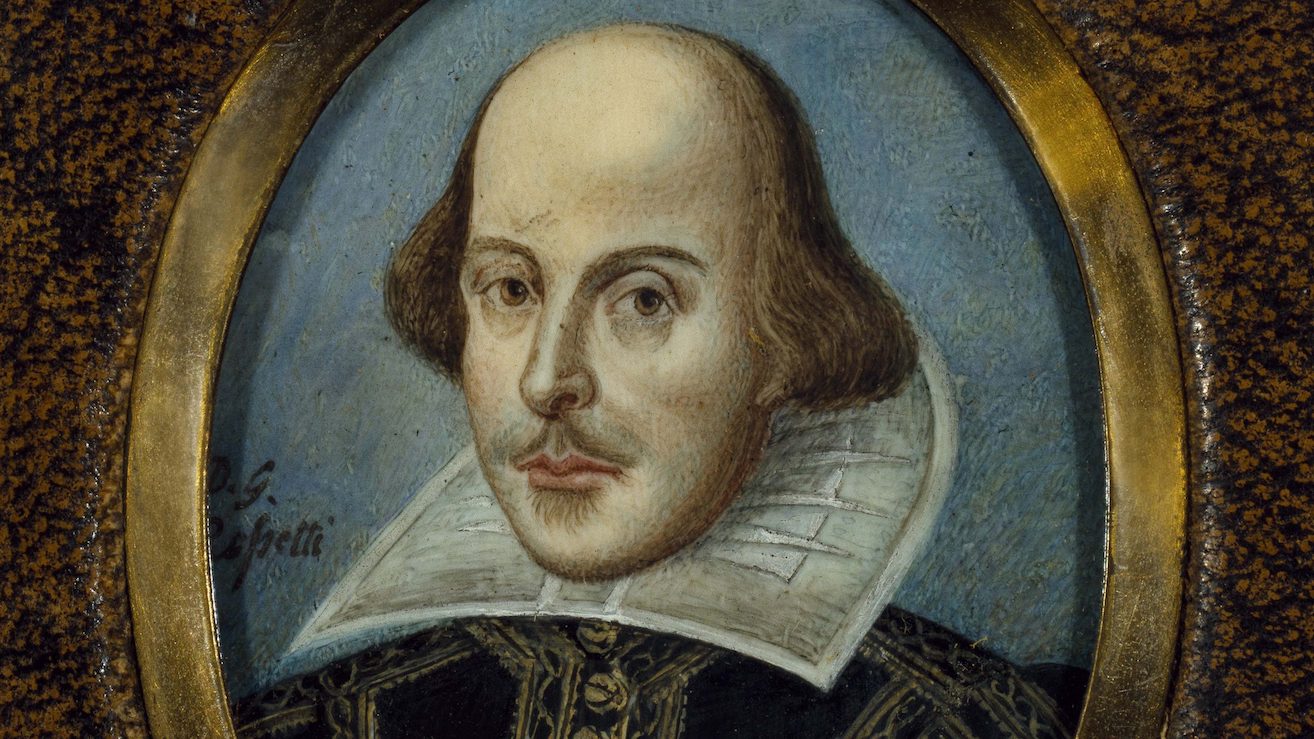
Jamie Smith of Calvin College gave an excellent talk on contemporary readings of Augustine, focusing on the Augustine of Derrida, Caputo, and Ward. According to Smith, Derrida and Caputo have some “formal” or “structural” affinities with Augustine (eg, love is the driving force of religion), but lack any criteria for discerning the difference between true religion and false. For Augustine, the criterion is Christological. Smith was essentially saying that Derrida and Caputo can do what they want, but unless they are willing to talk about Jesus, they should stop calling themselves Augustinians. An obvious point, but one that needs to be argued these days, and Smith argued it forcefully and convincingly. As to Ward, Smith noted that his recent book is called True Religion , indicating that for Ward religion must be determinately theological. But Ward leaves us, in Smith’s reading, without criteria for determining the difference between true and false theology. His religion must be theological, but the particular theology remains undeterminate. All in all, a very satisfying Calvinistic critique of pomo uses of Augustine.
Peter Leithart
Peter J. Leithart is President of Theopolis Institute. He is the author of numerous books on theology, literature, and culture, including Theopolitan, Defending Constantine, and Baptized Body.
More from Theology
Continue reading related articles

In Praise of Thomas
Gotta love ol’ Tommaso d’Aquino, a.k.a. Thomas Aquinas. The margins of my various copies of his works are full of notes of disagreement and question marks, but still: His toss-off arguments are usually deeper than the sustained arguments of lesser theologians. Here’s a pot pourri from the early part of…
Hoping For Love
In his 2007 encyclical on hope, Spe Salvi , Pope Emeritus Benedict XVI observes that the experience of loving and being loved is a moment of “redemption.” Love gives new meaning, new joy, new energy. Every love is a new birth. We long and hope for love. We want it…
Is All That's In God God?
Divine simplicity is often summarized in the axiom, "All that's in God is God." If this is taken at face value, though, it conflicts with Trinitarian orthodoxy. 1) By this axiom, the Persons are identical with the essence of God. 2) But the Persons have (or are) identifying particularities or…
In Medias Res
Your weekly digest for all things Theopolis.