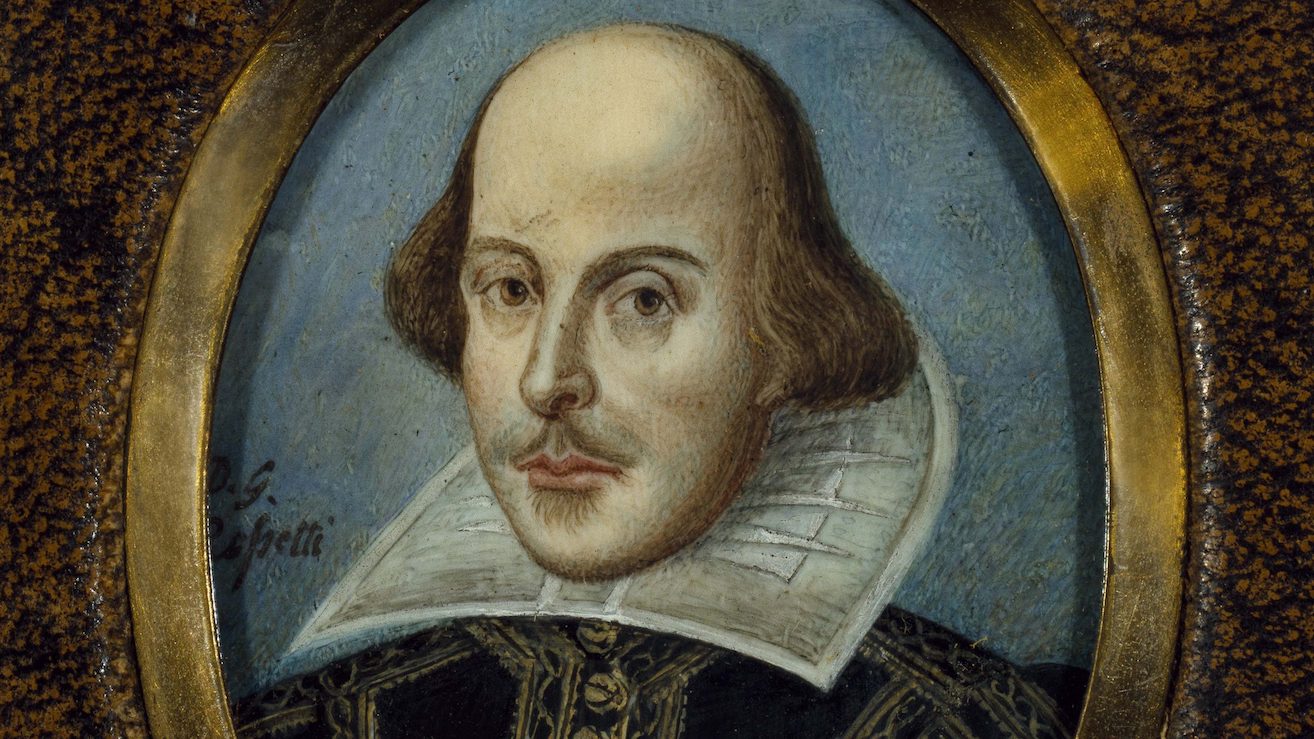
In his book, The Last Days of the Renaissance , Theodore Rabb notes that one sign of the fragility of the late medieval church was its inability to continue to absorb fresh movements. This was not relativism; there was recognizable unity throughout the church. Yet, there was also remarkable diversity:
“The medieval Church had been able to encompass a vast spectrum of belief. From the maze of details beloved by canon lawyers to the stark mysticism of Joachim of Fiore in the twelfth century or St. Bonaventure in the thirteenth; from the complex rituals of well-organized monks to the simple rites conducted by virtually illiterate parish priests; and from the elaborate sermons in richly ornate cathedrals to the preaching of poverty by Franciscans in the streets: All were accepted as paths to salvation and all redounded to the greater glory of God. But in the late 1300s, buffeted by crisis, the Church seemed to lose its ability to embrace those who sought new paths to their faith.” Rabb illustrates by contrasting the reaction to Francis to the church’s reaction to Hus and Wycliffe.
Which raises some questions: What would have happened to a 12th-century Luther? Canonized, eventually. And what happens to a church that becomes so rigid that it is incapable of absorbing diverse expressions of orthodox faith?
Peter Leithart
Peter J. Leithart is President of Theopolis Institute. He is the author of numerous books on theology, literature, and culture, including Theopolitan, Defending Constantine, and Baptized Body.
More from History
Continue reading related articles
Realness of Things Past
Greg Anderson began thinking about the thesis of his Realness of Things Past while working on a book on the “state” in classical Greece. He discovered there was no such thing as an Athenian “state,” and that conclusion led him to question the way historians do history. Instead of running…
The Power of the Margins
David Martin (1929-2019) was a secularization skeptic. He acknowledged that modern societies typically undergo a process of "differentiation," in which various sectors of social and political life free themselves from the oversight of religious authority. He acknowledged that in many modern societies religious institutions and values are "marginalized." But he…
Zwinglian Symbolism
Nathan Mitchell (writing in the Oxford History of Christian Worship , 324) denies that Zwingli taught a "mere symbolist" according to which the Supper "simply served to remind believers of the great benefits bestowed on them through Christ's passion and death." Zwingli wasn't a symbolist "in any modern sense." Mitchell…
In Medias Res
Your weekly digest for all things Theopolis.