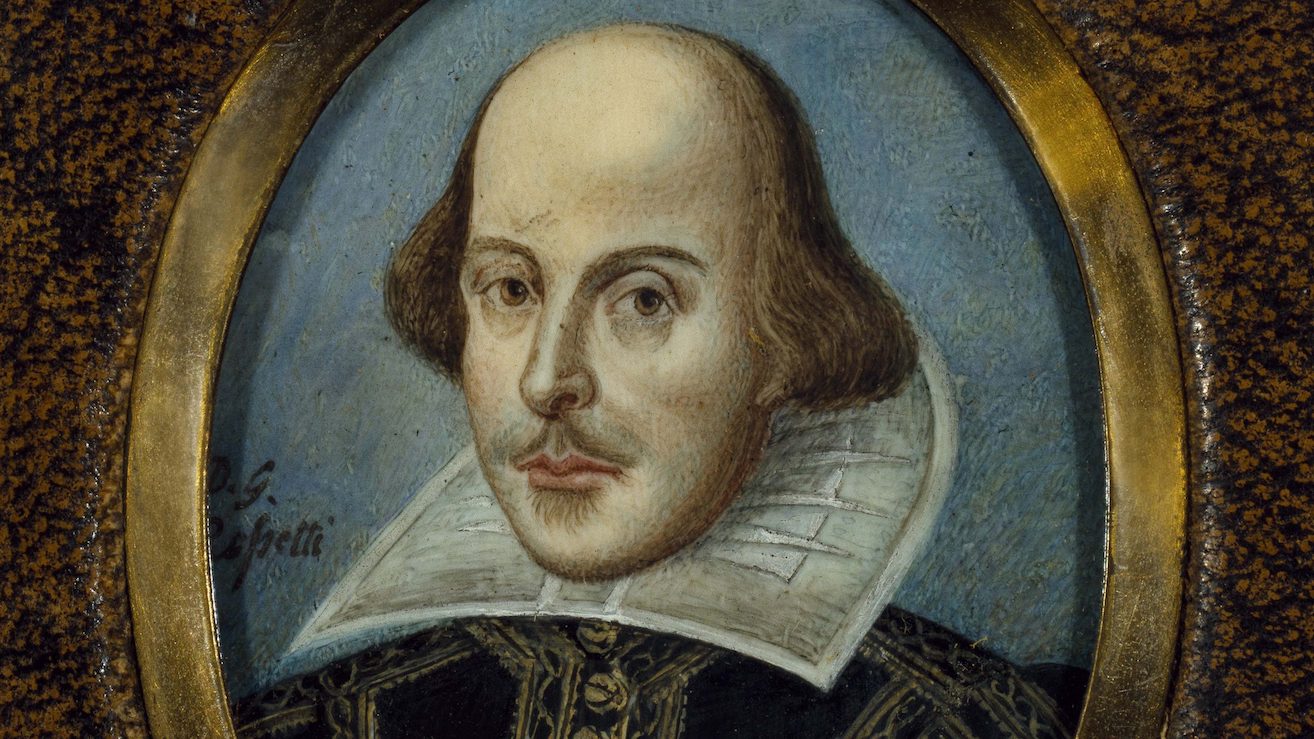
The Winter 2004 issue of The Wilson Quarterly also has an article on Darwin’s studies of earthworms, in which Darwin made innovative contributions. Darwin was inspired to study works after a visit to his uncle, Josiah Wedgewood: “Upon arriving, he scarcely had time to put down his hat before Wedgewood had him out in the pastures, where he pointed to cinders and pieces of brick that had been spread on the ground years before and had since become buried some inches beneath. Wedgewood was convinced that the objects had been buried by the actions of earthworms, a feat that would have required far greater strength and single-minded purpose than had previously been attributed to the lowly creatures.” In old age, Darwin wrote a book on The Formation of Vegetable Mould , in which he claimed that “an acre of garden soil could contain more than 50,000 earthworks and yield 18 tons of castings per year.”
Peter Leithart
Peter J. Leithart is President of Theopolis Institute. He is the author of numerous books on theology, literature, and culture, including Theopolitan, Defending Constantine, and Baptized Body.
More from Science
Continue reading related articles
Corruption of Science
The world’s most interesting man, Matthew B. Crawford, offers a brilliant and chilling diagnosis of “How Science Has Been Corrupted” at UnHerd . The hinge of his analysis is the “dissonance between our idealised image of science, on the one hand, and the work ‘science’ is called to do in…
Evolution 2.0
Perry Marshall’s Evolution 2.0 is a devastating critique of Evolution 1.0, the neo-Darwinian theory Marshall summarizes in the equation, “Random mutation + natural selection + time = Evolution.” His critique focuses primarily on the “random mutation” factor. Scientists have experimented on fruit flies for decades. By causing mutations through radiation,…
Clapping Trees
Do trees clap their hands at the coming of the Lord? (Isaiah 55:2). Do they really ? We instinctively think not, and quickly classify such passages as literary personifications or anthropomorphic metaphors. Perhaps, writes Mark Harris in an essay in Knowing Creation , we’re too hasty. What’s the alternative? One,…
In Medias Res
Your weekly digest for all things Theopolis.