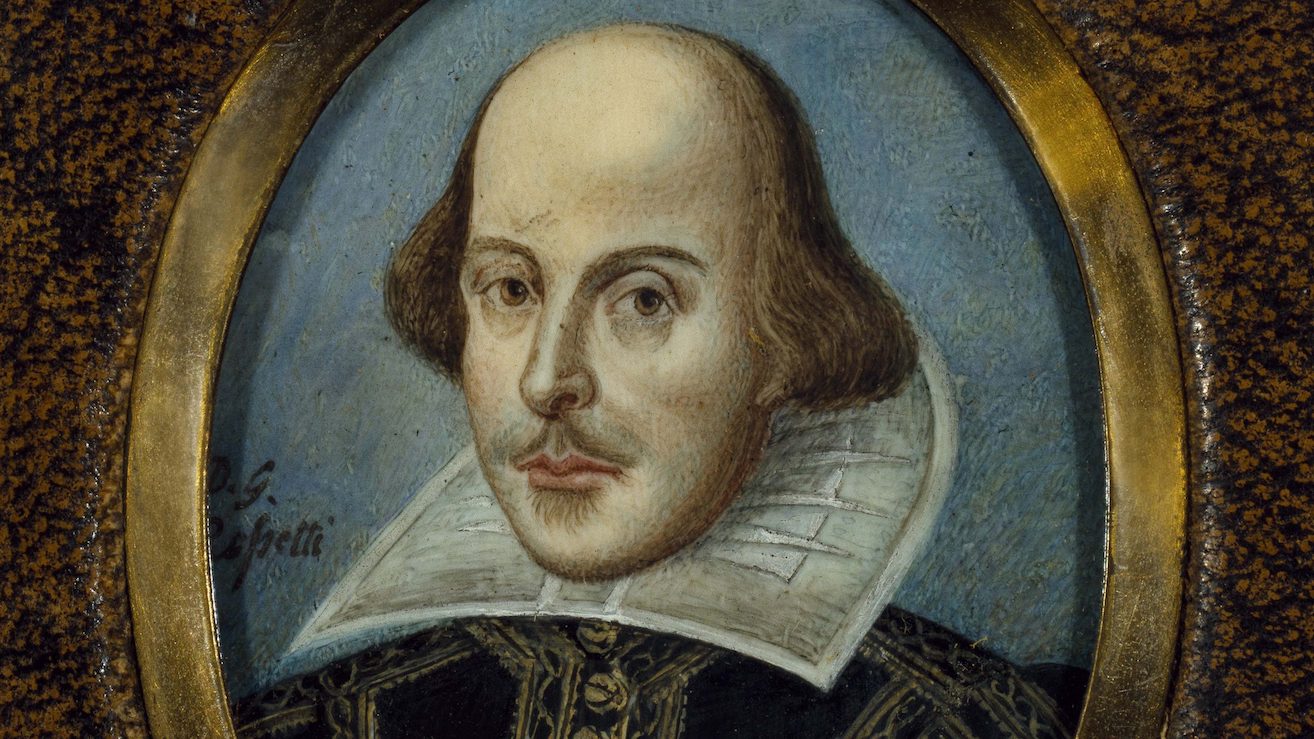
Robert Young claims that the controversy over Darwinism in the 19th century was not so much a religion-v.-science controversy as a duel between competing theodicies. At one level, he argues, “the protagonists in the debate were in fundamental agreement. They were fighting over the best ways of rationalizing the same set of assumptions about the existing order,” especially the assumption, shared by pro- and anti-Darwinians, that nature was all red in tooth and claw. The conflict was between “an explicitly theological theodicy,” which “was being challenged by a secular one based on biological conceptions and the fundamental assumption of the uniformity of nature.”
Peter Leithart
Peter J. Leithart is President of Theopolis Institute. He is the author of numerous books on theology, literature, and culture, including Theopolitan, Defending Constantine, and Baptized Body.
More from Science
Continue reading related articles
Corruption of Science
The world’s most interesting man, Matthew B. Crawford, offers a brilliant and chilling diagnosis of “How Science Has Been Corrupted” at UnHerd . The hinge of his analysis is the “dissonance between our idealised image of science, on the one hand, and the work ‘science’ is called to do in…
Evolution 2.0
Perry Marshall’s Evolution 2.0 is a devastating critique of Evolution 1.0, the neo-Darwinian theory Marshall summarizes in the equation, “Random mutation + natural selection + time = Evolution.” His critique focuses primarily on the “random mutation” factor. Scientists have experimented on fruit flies for decades. By causing mutations through radiation,…
Clapping Trees
Do trees clap their hands at the coming of the Lord? (Isaiah 55:2). Do they really ? We instinctively think not, and quickly classify such passages as literary personifications or anthropomorphic metaphors. Perhaps, writes Mark Harris in an essay in Knowing Creation , we’re too hasty. What’s the alternative? One,…
In Medias Res
Your weekly digest for all things Theopolis.