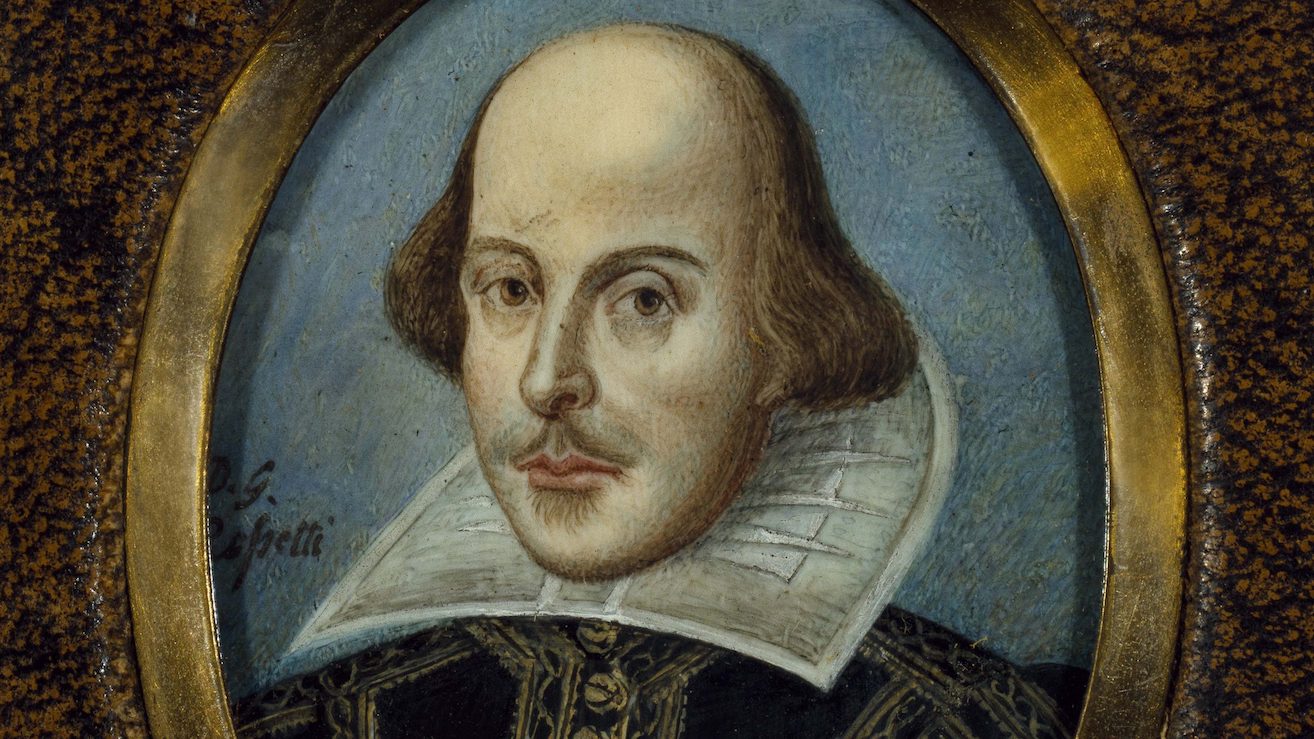
Paolo Rossi says of Bacon: “The distinction between the will and power of God, so fully and subtly present in Baconian texts, is very important. ‘The heavens declare the glory of God, and the firmament showeth his handworks’: this very from the Psalms . . . is quoted by Bacon several times. The image of the world, immediately after the Word, is a sign of the divine wisdom and power, and yet the Scriptures do not call the world ‘the image of God,’ but regard it only as ‘the work of his hands,’ neither do they speak of any image of God other than man. Theology is concerned with knowing the book of the word of God; natural philosophy studies the book of God’s works. The book of Scripture reveals the will of God, the book of nature, his power. The study of nature has nothing to say about God’s essence or his will.”
Peter Leithart
Peter J. Leithart is President of Theopolis Institute. He is the author of numerous books on theology, literature, and culture, including Theopolitan, Defending Constantine, and Baptized Body.
More from History
Continue reading related articles
Realness of Things Past
Greg Anderson began thinking about the thesis of his Realness of Things Past while working on a book on the “state” in classical Greece. He discovered there was no such thing as an Athenian “state,” and that conclusion led him to question the way historians do history. Instead of running…
The Power of the Margins
David Martin (1929-2019) was a secularization skeptic. He acknowledged that modern societies typically undergo a process of "differentiation," in which various sectors of social and political life free themselves from the oversight of religious authority. He acknowledged that in many modern societies religious institutions and values are "marginalized." But he…
Zwinglian Symbolism
Nathan Mitchell (writing in the Oxford History of Christian Worship , 324) denies that Zwingli taught a "mere symbolist" according to which the Supper "simply served to remind believers of the great benefits bestowed on them through Christ's passion and death." Zwingli wasn't a symbolist "in any modern sense." Mitchell…
In Medias Res
Your weekly digest for all things Theopolis.