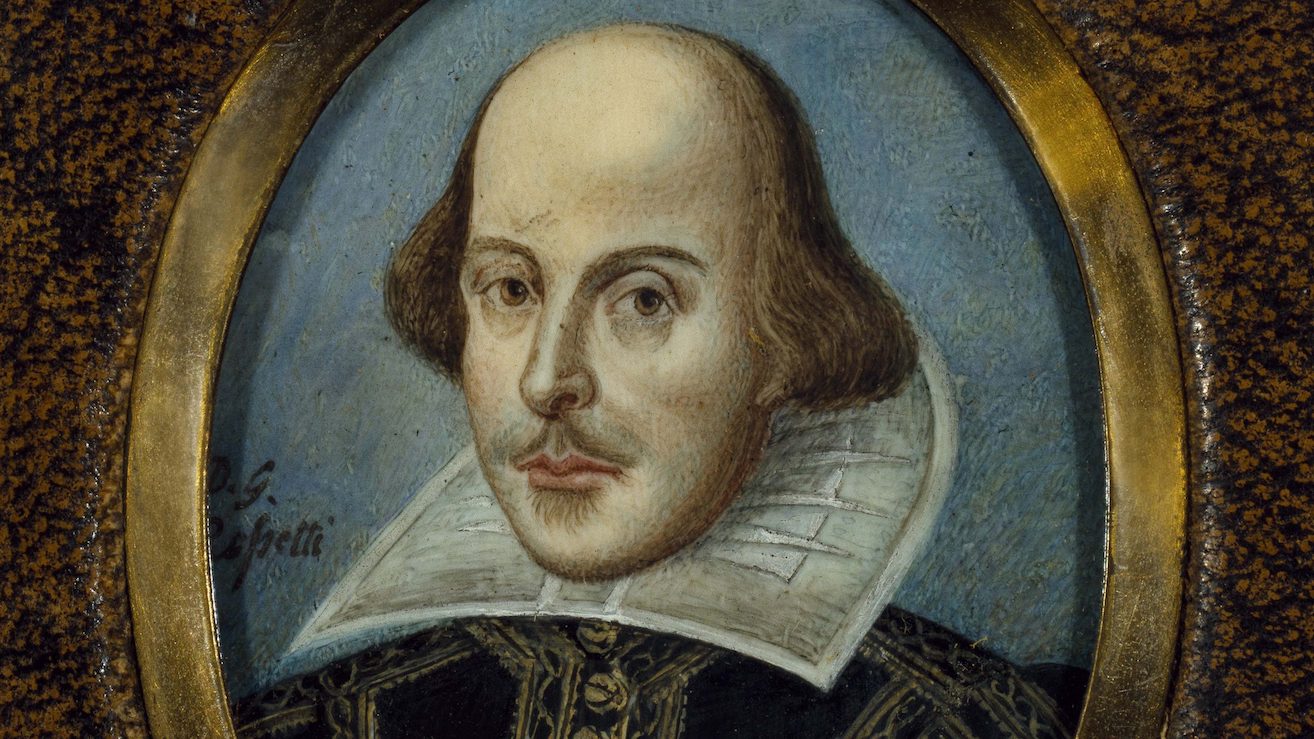
Philip Jenkins has a superb review of Charles Murray’s Human Accomplishment in the Feb issue of First Things . Jenkins challenges Murray’s basic method, which involved a process of selecting eminent persons in science and culture by attending to their role and presence in standard reference works. Murray discovers by this process that the leading figures in world science, literature, and art, are overwhelmingly Western, and he attributes much of this eminence to the influence of Christianity. Jenkins suggests that the dominance of Western figures might just as well be a reflection of the fact that “since the Enlightenment, Europe and the Europeanized world have massively dominated global production of knowledge, and also the manufacture and sale of books.” Moreover, Western notions of individual genius are at odds with the perspective of, say, China, and thus even Chinese histories and reference works may not give as much prominence to individual thinkers and scientits. Thus, it’s arguable that “what Murray has written is not a survey of ‘human accomplishment,’ but rather a reputational study of those individuals who currently enjoy the highest prestige in the contemporary West . . . . It is a sociology of knowledge as presented in reference books.” I have to say that I find Jenkins’s assessment of the evidence not only more compelling but far more interesting than Murray’s, however much Murray’s book may affirm the cultural value of Christianity.
Peter Leithart
Peter J. Leithart is President of Theopolis Institute. He is the author of numerous books on theology, literature, and culture, including Theopolitan, Defending Constantine, and Baptized Body.
More from History
Continue reading related articles

Realness of Things Past
Greg Anderson began thinking about the thesis of his Realness of Things Past while working on a book on the “state” in classical Greece. He discovered there was no such thing as an Athenian “state,” and that conclusion led him to question the way historians do history. Instead of running…

The Power of the Margins
David Martin (1929-2019) was a secularization skeptic. He acknowledged that modern societies typically undergo a process of "differentiation," in which various sectors of social and political life free themselves from the oversight of religious authority. He acknowledged that in many modern societies religious institutions and values are "marginalized." But he…
Zwinglian Symbolism
Nathan Mitchell (writing in the Oxford History of Christian Worship , 324) denies that Zwingli taught a "mere symbolist" according to which the Supper "simply served to remind believers of the great benefits bestowed on them through Christ's passion and death." Zwingli wasn't a symbolist "in any modern sense." Mitchell…
In Medias Res
Your weekly digest for all things Theopolis.