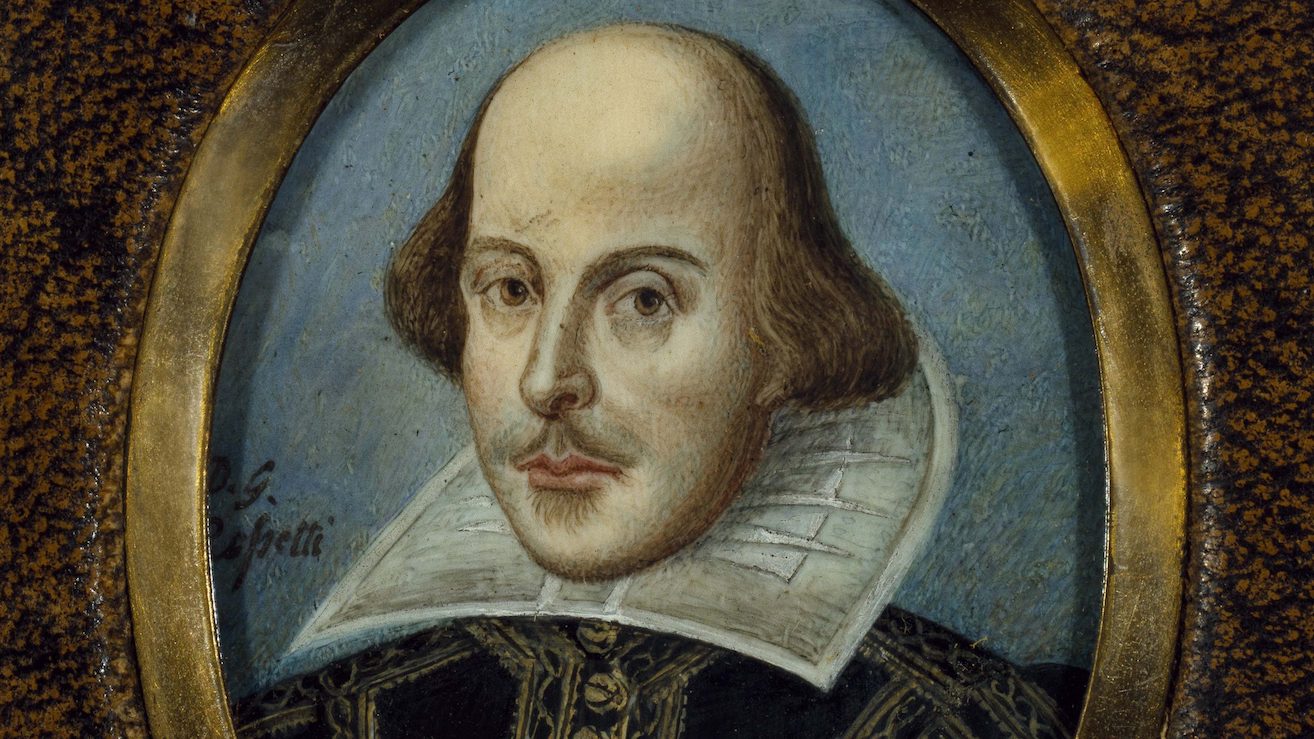
Friedrich Oetinger was a leading German pietist intellectual and theologian, deeply interested in the science of his day. And critical of science and rationalist philosophy as well. Against thinkers who placed a primacy on reason, Oetinger argued that sheer logical clarity is insufficient “for living knowledge.” Living knowledge takes form in common social life: “Fathers are moved without proof to care for their children; love does not demonstrate, but often against reason rends the heart at the beloved’s reproach.” He rehabilitated intuition as the fundamental “epistemological” act: “the whole of life has its center in the heart, which by means of common sense grasps countless things all at the same time.” This counts equally to Scripture and creation: “the ideas found in Scripture and in the works of God are the more fruitful and purified the more that each can be seen in the whole and all can be seen in each.” Hermeneutical rules are less important than the interpreter’s efforts to live out of Scripture: “above all apply the rules to yourself and then you will have the key to understanding Solomon’s proverbs.”
Peter Leithart
Peter J. Leithart is President of Theopolis Institute. He is the author of numerous books on theology, literature, and culture, including Theopolitan, Defending Constantine, and Baptized Body.
More from Theology
Continue reading related articles
In Praise of Thomas
Gotta love ol’ Tommaso d’Aquino, a.k.a. Thomas Aquinas. The margins of my various copies of his works are full of notes of disagreement and question marks, but still: His toss-off arguments are usually deeper than the sustained arguments of lesser theologians. Here’s a pot pourri from the early part of…
Hoping For Love
In his 2007 encyclical on hope, Spe Salvi , Pope Emeritus Benedict XVI observes that the experience of loving and being loved is a moment of “redemption.” Love gives new meaning, new joy, new energy. Every love is a new birth. We long and hope for love. We want it…
Is All That's In God God?
Divine simplicity is often summarized in the axiom, "All that's in God is God." If this is taken at face value, though, it conflicts with Trinitarian orthodoxy. 1) By this axiom, the Persons are identical with the essence of God. 2) But the Persons have (or are) identifying particularities or…
In Medias Res
Your weekly digest for all things Theopolis.