
Gentiles contributed materials to every sanctuary in the Bible. But the character of their contributions changes. Tracing the changes displays the trajectory of redemptive history.
Pharaoh contributes to the tabernacle unwillingly. Pummeled by plagues, he lets Israel go, and as they go they “plunder Egypt.” Call Pharaoh an “involuntary supplier.”
Solomon allies with Hiram of Tyre, who provides cedar and cypress, as well as skilled woodcutters and carvers, to build the temple. It’s Solomon’s project, but the Gentiles contribute materials and skill. Hiram’s stature in the project is higher than Pharaoh’s. Call Hiram a “subordinate ally.”
After the exile, Cyrus the Persian initiates the rebuilding of the temple, provides materials and furnishings, protects the Jewish builders from the people of the land. The second temple is as much a Persian as a Jewish project. Call Cyrus the first “Gentile general contractor.”
After the cross, Jews and Gentiles contribute to the building of God’s house, the church, under the oversight of the new Solomon, Jesus. But now their contributions are not really distinct. Jews and Gentiles always contributed to the building of God’s Houses of prayer for all nations.” But now they are knit together into one new man, the company of Jentiles or Gews, all anointed with the Spirit of craftsmanship.
Peter Leithart
Peter J. Leithart is President of Theopolis Institute. He is the author of numerous books on theology, literature, and culture, including Theopolitan, Defending Constantine, and Baptized Body.
More from Biblical Studies
Continue reading related articles
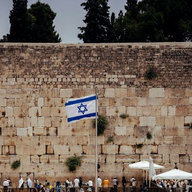
The Bible and the Middle East
Does Bible study matter - I mean, in the real world? Who cares what anyone thinks of Adam or Abraham, whether you're pre-, a-, or post-mil, when missiles are flying from Israel to Iran and back? Yes, Bible study matters, especially in the midst of today's war in the Middle…
Enemies into Friends
This essay was first published at FirstThings.com in September 2019. Given recent debate about justice, friends, and enemies, it seemed useful to repost it here. A third of the way through the Book of Acts, a man named Saul takes over the narrative. Like Israel’s King Saul, this Saul is…
The Bible in the Ancient East
Jeffrey J. Niehaus’s Ancient Near Eastern Themes in Biblical Theology is a superb introduction to the subject. In a brief 180 pages, he examines the parallels between Israel and the surrounding Gentiles in their conceptions of God and kinship; their notions of covenant, law and conquest; their views on the…
In Medias Res
Your weekly digest for all things Theopolis.