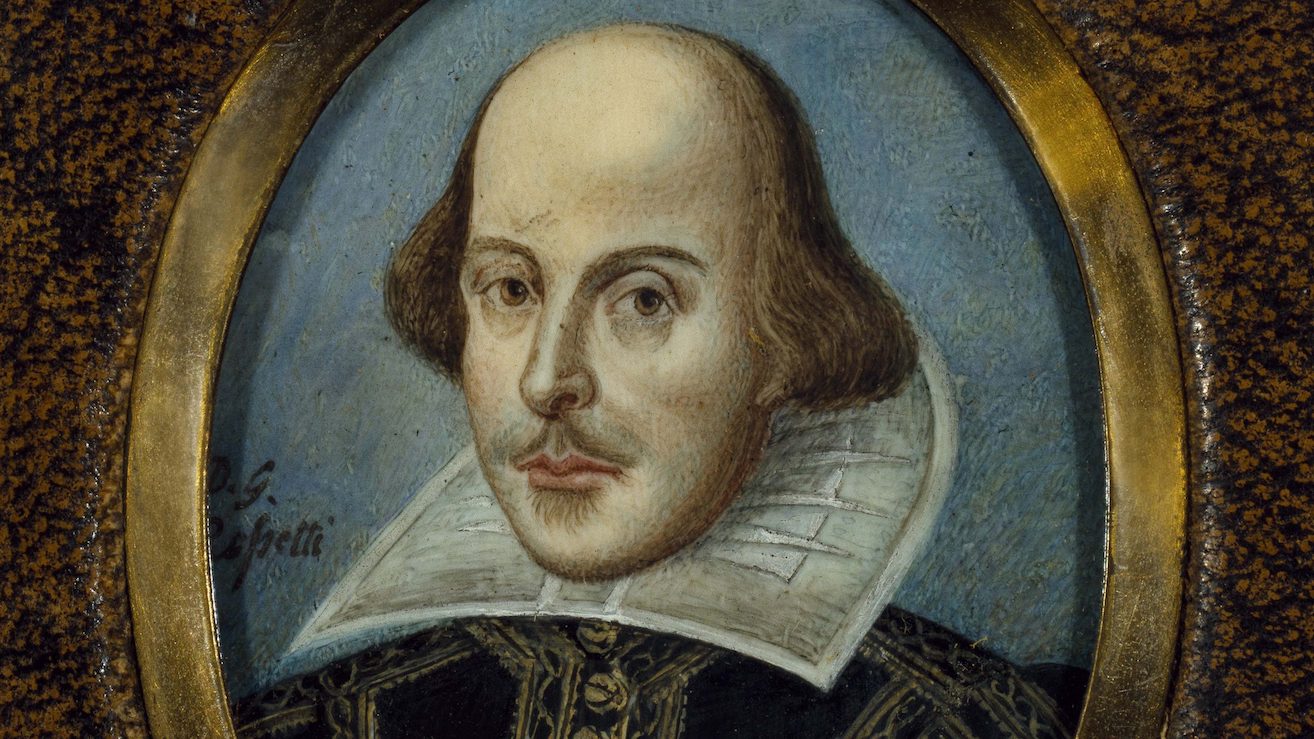
There is something of a Longfellow revival going on recently, with the publication of the Library of America edition of his collected poems a few years ago, the first time a complete collection has been published in some time. Longfellow was eclipsed during the heyday of modernism, but in the 19th century and in many areas into the 20th century, Longfellow was undoubtedly the most popular poet in American history. His poems have been anthologized and memorized, and many phrases from his poems have become so familiar that, like some Shakespearean phrases, we forget the source: ?I shot my arrow into the air?E ?patter of little feet?E and so on. More profoundly, Longfellow?s poetry formed the mythology of America for many schoolchildren: The Courtship of Miles Standish, Paul Revere?s Ride; The Song of Hiawatha. We have all been so influenced by modernism and modernist aesthetics that Longfellow can sound trite and childish, but Longfellow was a highly educated and accomplished scholar, taught modern languages at Bowdoin College and at Harvard. He was not a child, though his poetry definitely a childlike quality to it.
A couple of years ago, I read the Song of Hiawatha to my children, and both they and I found it enthralling. It is based on Indian legends about a miraculous child who came to the Indians to teach them the ways and arts of peace, including writing, farming. The rhythm is insistent, which can be and has often been parodied. But the rhythm is perfectly appropriate to the subject, giving the poem a Levi-Straussian, incantory, shamanistic quality, full of strange names and insistent repetitions.
Don?t let the snobbery of the sniffy classes rob you of the pleasure and insight that Longfellow can provide.
Peter Leithart
Peter J. Leithart is President of Theopolis Institute. He is the author of numerous books on theology, literature, and culture, including Theopolitan, Defending Constantine, and Baptized Body.
More from Literature
Continue reading related articles
God's Plenty
A few thoughts on the “General Prologue” to Chaucer’s Canterbury Tales . 1) The Prologue sets the stage for a multi-layered set of tales. The real-life Chaucer is, of course, the author, but in the Prologue, he introduces a fictional version of himself as narrator: It happened in that season…
Violence as Poetry
Paul and Jane Sinclair, protagonists of J.G. Ballard’s 2000 novel Super-Cannes , move from England to the French Riviera to live at a new high-tech business park, Eden-Olympia (!), after Jane’s friend and former lover, Dr. David Greenwood, goes on a killing spree that ends with suicide. Jane, a pediatrician,…

Memento Mori
Virtually all the characters in Muriel Spark’s 1959 novel, Memento Mori , are over 70. They suffer the physical humiliations of aging and the pains of regret. Unexpectedly, hilariously, they’re as competitive and petty as schoolchildren. Well into his 80s, Godfrey Colston scorns the crippled critic Guy Leets for the…
In Medias Res
Your weekly digest for all things Theopolis.