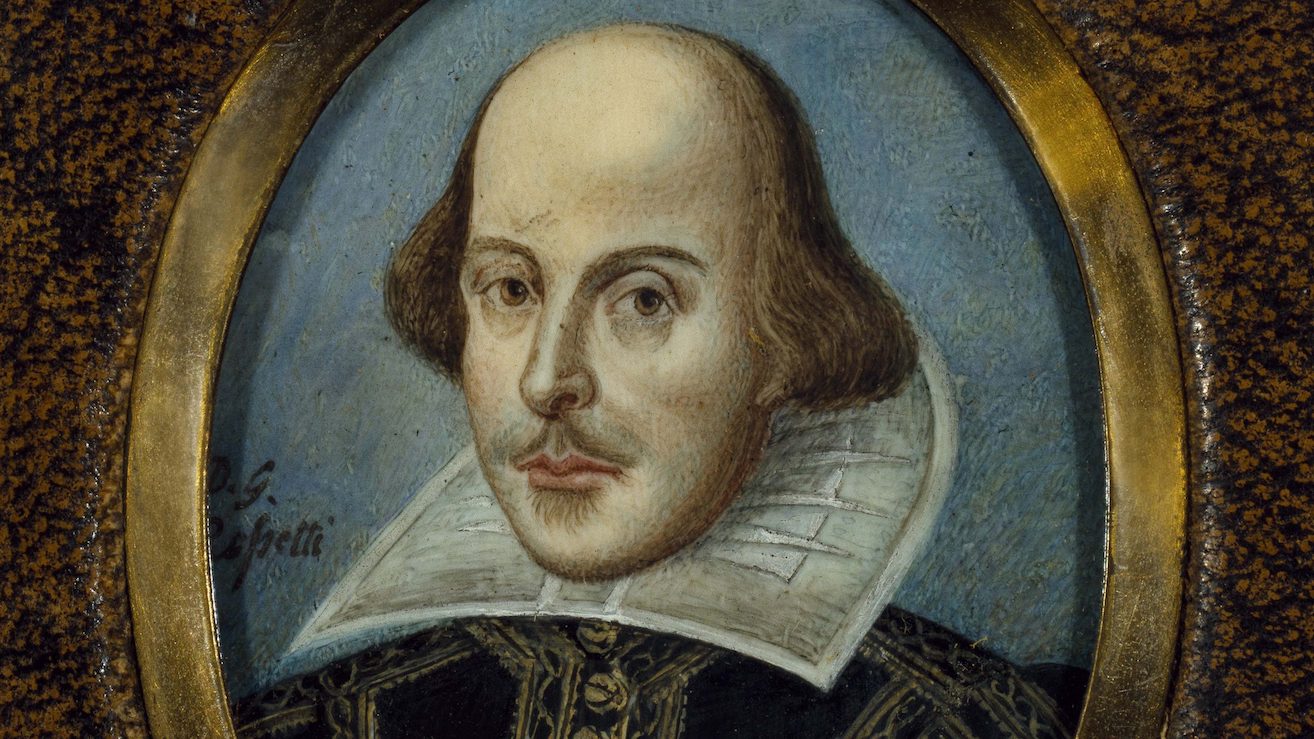
Machiavelli know what he was about. Though continuing to identify himself with Christianity, he advocated a revival of ancient concepts of virtu , and recognized that one key obstacle was the Christian revaluation of the value of honor. In the midst of numerous distortions of faith and history, he clearly identifies the conflict: “Ancient religion glorified only men who were endowed with worldly glory, such as generals of armies and rulers of republics; our religion has glorified humble and contemplative men rather than active ones. Further, it has established as the supreme good humility, abjection, and contempt for human affairs, while ancient religion defined it as grandeur of spirit, strength of body, and all the other things likely to make men most vigorous . . . .
“If it is true that our religion also requires strength, it is the kind of strength that makes you willing to suffer rather than to undertake bold deeds. So this way of living, then, seems to have rendered the world weak and handed it over as prey to wicked men, who can safely manage it when they see that most men think more of going to Heaven by enduring their injuries than by avenging them.” In his revised Christianity, religion would be put into service to “defend and better the fatherland . . . . to love and honor it and to prepare ourselves to be the kind of men who can defend it.”
This evidences a link between a reversion to pagan honor (glossed with Christianity) and the rise of the nation state.
Peter Leithart
Peter J. Leithart is President of Theopolis Institute. He is the author of numerous books on theology, literature, and culture, including Theopolitan, Defending Constantine, and Baptized Body.
More from History
Continue reading related articles

Realness of Things Past
Greg Anderson began thinking about the thesis of his Realness of Things Past while working on a book on the “state” in classical Greece. He discovered there was no such thing as an Athenian “state,” and that conclusion led him to question the way historians do history. Instead of running…

The Power of the Margins
David Martin (1929-2019) was a secularization skeptic. He acknowledged that modern societies typically undergo a process of "differentiation," in which various sectors of social and political life free themselves from the oversight of religious authority. He acknowledged that in many modern societies religious institutions and values are "marginalized." But he…
Zwinglian Symbolism
Nathan Mitchell (writing in the Oxford History of Christian Worship , 324) denies that Zwingli taught a "mere symbolist" according to which the Supper "simply served to remind believers of the great benefits bestowed on them through Christ's passion and death." Zwingli wasn't a symbolist "in any modern sense." Mitchell…
In Medias Res
Your weekly digest for all things Theopolis.