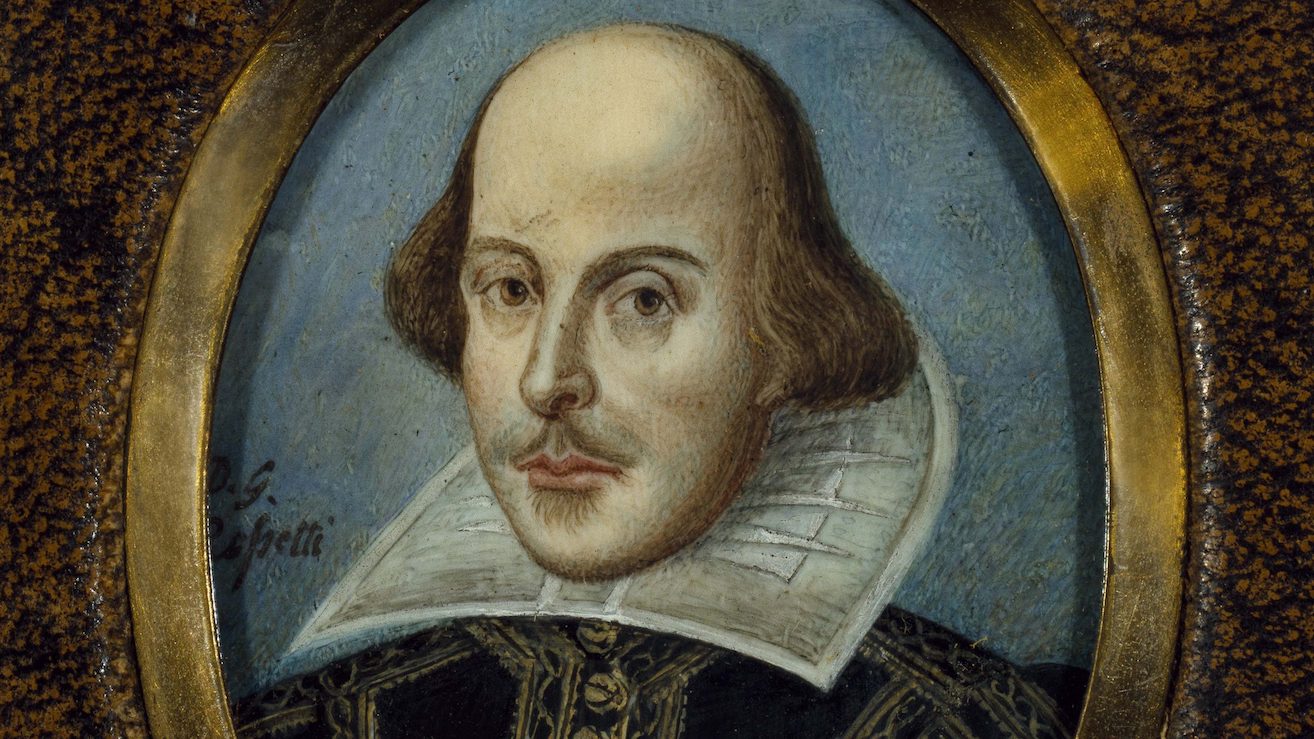
One Edward Bok wrote in 1890, the year before Melville died, that “Mr. Melville is now an old man, but still vigorous. He is an employee of the Customs Revenue Service, and thus still lingers around the atmosphere which permeated his books. Forty-four years ago, when his most famous tale, Typee , appeared, there was not a better known author than he, and he commanded his own prices. Publishers sought him, and editors considered themselves fortunate to secure his name as a literary star. And to-day? Busy New York has no idea he is even alive, and one of the best-informed literary men in this country laughed recently at my statement that Herman Melville was his neighbor by only two city blocks. ‘Nonsense,’ said he. ‘Why, Melville is dead these many years!’ Talk about literary fame? There’s a sample of it!”
The NYT obit the following year told a similar story: “There has died and been buried in this city, during the current week, at an advanced age, a man who is so little known, even by name, to the generation now in the vigor of life that only one newspaper contained an obituary account of him, and this was but of three or four lines. Yet forty years ago the appearance of a new book by Herman Melville was esteemed a literary event, not only throughout his own country, but so far as the English-speaking race extended. To the ponderous and quarterly British reviews of that time, the author of Typee was about the most interesting of literary Americans, and men who made few exceptions to the British rule of not reading an American book not only made Melville one of them, but paid him the further compliment of discussing him as an unquestionable literary force. Yet when a visiting British writer a few years ago inquired at a gathering in New-York of distinctly literary Americans what had become of Herman Melville, not only was there not one among them who was able to tell him, but there was scarcely one among them who had ever heard of the man concerning whom he inquired, albeit that man was then living within a half mile of the place of the conversation. Years ago the books by which Melville’s reputation had been made had long been out of print and out of demand. The latest book, now about a quarter of a century old, Battle Pieces and Aspects of the War, fell flat, and he has died an absolutely forgotten man. ”
Peter Leithart
Peter J. Leithart is President of Theopolis Institute. He is the author of numerous books on theology, literature, and culture, including Theopolitan, Defending Constantine, and Baptized Body.
More from Literature
Continue reading related articles
God's Plenty
A few thoughts on the “General Prologue” to Chaucer’s Canterbury Tales . 1) The Prologue sets the stage for a multi-layered set of tales. The real-life Chaucer is, of course, the author, but in the Prologue, he introduces a fictional version of himself as narrator: It happened in that season…
Violence as Poetry
Paul and Jane Sinclair, protagonists of J.G. Ballard’s 2000 novel Super-Cannes , move from England to the French Riviera to live at a new high-tech business park, Eden-Olympia (!), after Jane’s friend and former lover, Dr. David Greenwood, goes on a killing spree that ends with suicide. Jane, a pediatrician,…

Memento Mori
Virtually all the characters in Muriel Spark’s 1959 novel, Memento Mori , are over 70. They suffer the physical humiliations of aging and the pains of regret. Unexpectedly, hilariously, they’re as competitive and petty as schoolchildren. Well into his 80s, Godfrey Colston scorns the crippled critic Guy Leets for the…
In Medias Res
Your weekly digest for all things Theopolis.