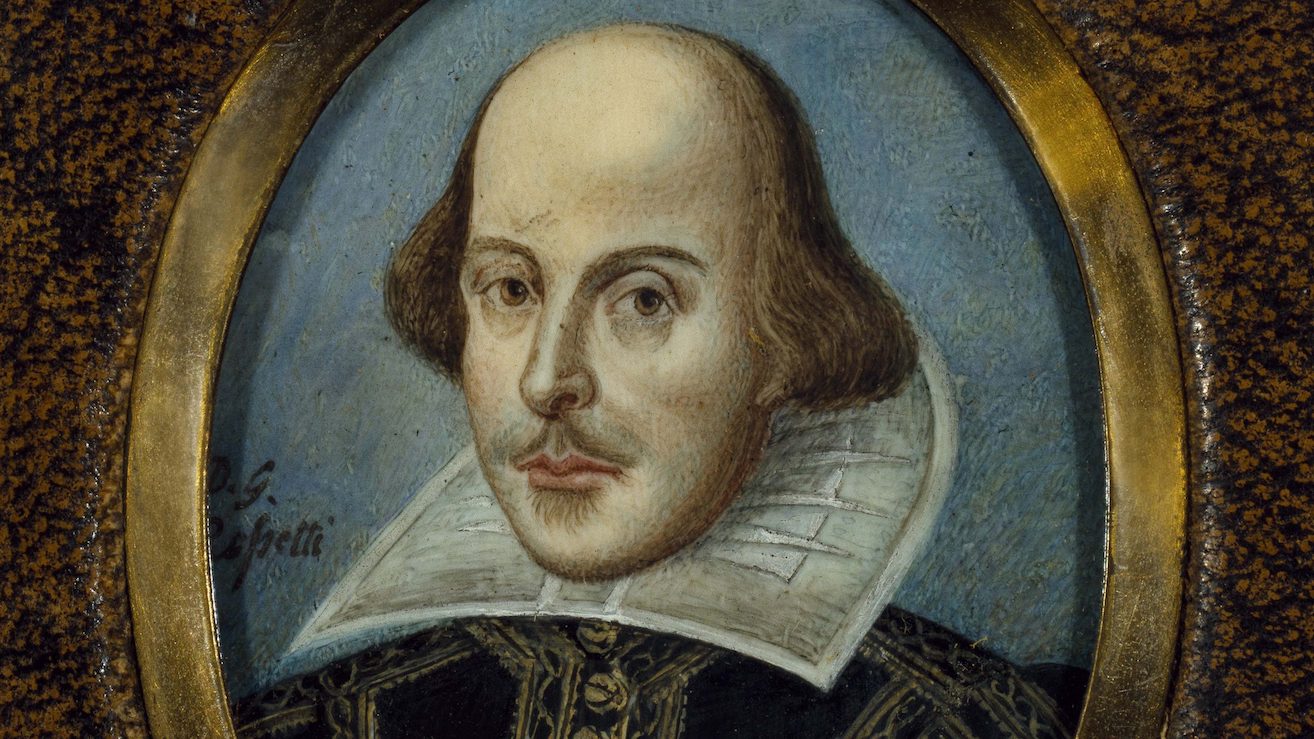
Sacra doctrina, for Aquinas, involves the stripping of idols. So says Fergus Kerr: “Step by step, once we learn to read the text in this way, one idolatrous temptation after another is stripped away. The apophatic theology is designed to liberate us of the pictures of God that only too easily keep us captive. To break the grip of these idolatrous conceptions is of course much more than a merely academic achievement, as if we could now answer examination questions on whether Aquinas taught that God is or is not some kind of entity. There is a correct answer, it demands reflection, and it takes argument to settle. But getting a little clearer about what to say, or not to say, about the God whom we worship is also inevitably going to affect one’s expectations in liturgical practice and one’s aspirations in the moral and spiritual life. Reflection on what must characterize God as one and as triune and as Creator, and so on ?Ethis metaphysical ascesis ?Eis bound to have further effects.”
I rather like that as a defense of Thomas. But then this: “it is precisely because the God with whom we have to do in our immersion in the biblical narratives can so easily be domesticated in anthropological imagery, that these metaphysical exercises become so important, even indispensable. In a world conditioned by idolatry, the narrative of the words and deeds that reveal God and that we perform in our liturgies, needs to be exposed to the critique of idolatry, which is this metaphysical use of reason.” This sounds a lot like subjecting the revelation of God to metaphysical critique, which sounds a lot like making the metaphysical description of God more fundamental (or more true) than the biblical description. And this, if it describes Aquinas accurately, seems to justify all the Protestant suspicions.
Peter Leithart
Peter J. Leithart is President of Theopolis Institute. He is the author of numerous books on theology, literature, and culture, including Theopolitan, Defending Constantine, and Baptized Body.
More from Theology
Continue reading related articles
In Praise of Thomas
Gotta love ol’ Tommaso d’Aquino, a.k.a. Thomas Aquinas. The margins of my various copies of his works are full of notes of disagreement and question marks, but still: His toss-off arguments are usually deeper than the sustained arguments of lesser theologians. Here’s a pot pourri from the early part of…
Hoping For Love
In his 2007 encyclical on hope, Spe Salvi , Pope Emeritus Benedict XVI observes that the experience of loving and being loved is a moment of “redemption.” Love gives new meaning, new joy, new energy. Every love is a new birth. We long and hope for love. We want it…
Is All That's In God God?
Divine simplicity is often summarized in the axiom, "All that's in God is God." If this is taken at face value, though, it conflicts with Trinitarian orthodoxy. 1) By this axiom, the Persons are identical with the essence of God. 2) But the Persons have (or are) identifying particularities or…
In Medias Res
Your weekly digest for all things Theopolis.