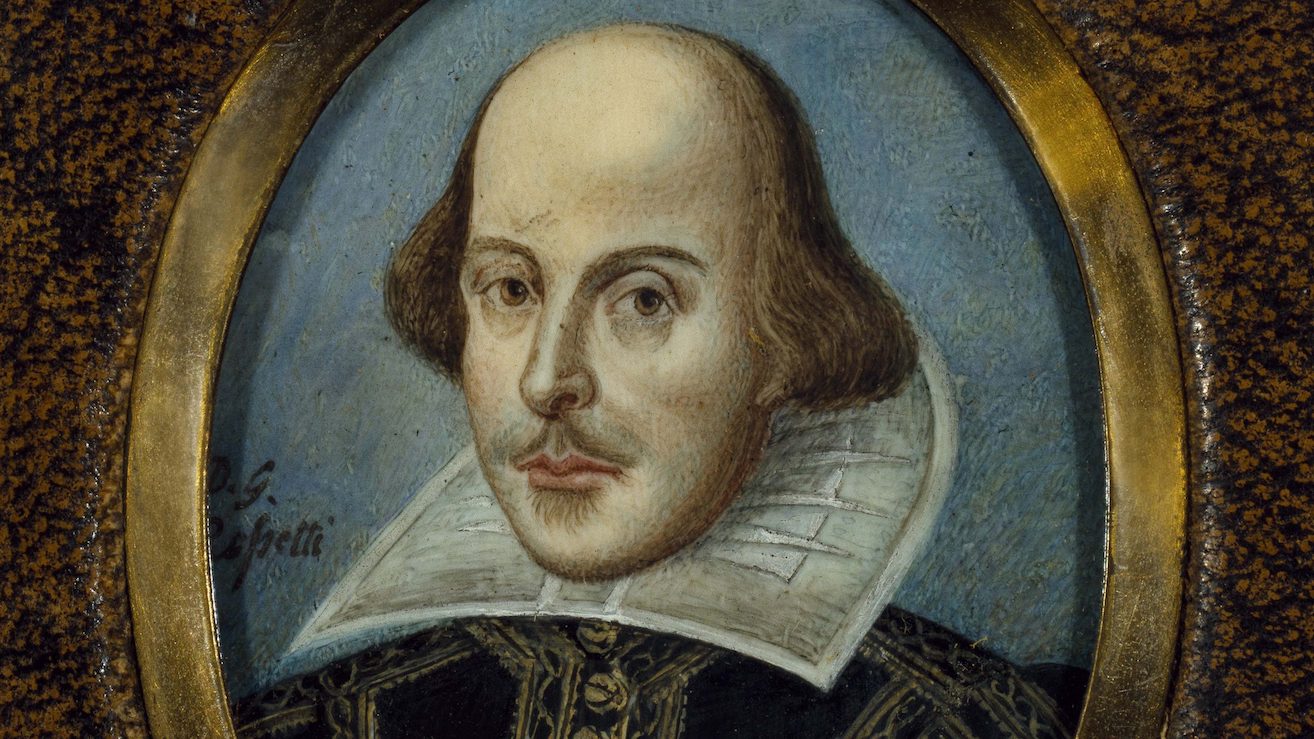
A review of Jeffrey Knapp’s Shakespeare’s Tribe in the November 7 TLS begins with the comment that Elizabethan dramatists approached their work with a missionary aim: “Countering the fears of religious commentators who believed acting to be nothing more than hypocrisy, this approach admitted the element of deception in theatre but saw dramatic entertainment as a way of cozening the viewer into religion and morality. It went hand in hand with the idea that communal festivity was beneficial to society, and the tendency ?Einspired by a selective reading of Erasmus and other eirenically minded theologians ?Eto minimize the contentious points in religion.” Shakespeare in particular, Knapp argues, had this aim: “As Knapp sees it, Shakespeare presents the collective endeavour of actors and audience as a sacramental activity to compare with, or even rival, those taking place in church.” In his interpretation of He nry V, which begins with whispered plottings among high-placed bishops, the hero “champions communal enterprise” and the Chorus calls on the audience to take part in the imagining of the play. Knapp: “Harry steals communion from the clergy, and the theater steals communion from Harry.”
Peter Leithart
Peter J. Leithart is President of Theopolis Institute. He is the author of numerous books on theology, literature, and culture, including Theopolitan, Defending Constantine, and Baptized Body.
More from Literature
Continue reading related articles
God's Plenty
A few thoughts on the “General Prologue” to Chaucer’s Canterbury Tales . 1) The Prologue sets the stage for a multi-layered set of tales. The real-life Chaucer is, of course, the author, but in the Prologue, he introduces a fictional version of himself as narrator: It happened in that season…
Violence as Poetry
Paul and Jane Sinclair, protagonists of J.G. Ballard’s 2000 novel Super-Cannes , move from England to the French Riviera to live at a new high-tech business park, Eden-Olympia (!), after Jane’s friend and former lover, Dr. David Greenwood, goes on a killing spree that ends with suicide. Jane, a pediatrician,…

Memento Mori
Virtually all the characters in Muriel Spark’s 1959 novel, Memento Mori , are over 70. They suffer the physical humiliations of aging and the pains of regret. Unexpectedly, hilariously, they’re as competitive and petty as schoolchildren. Well into his 80s, Godfrey Colston scorns the crippled critic Guy Leets for the…
In Medias Res
Your weekly digest for all things Theopolis.