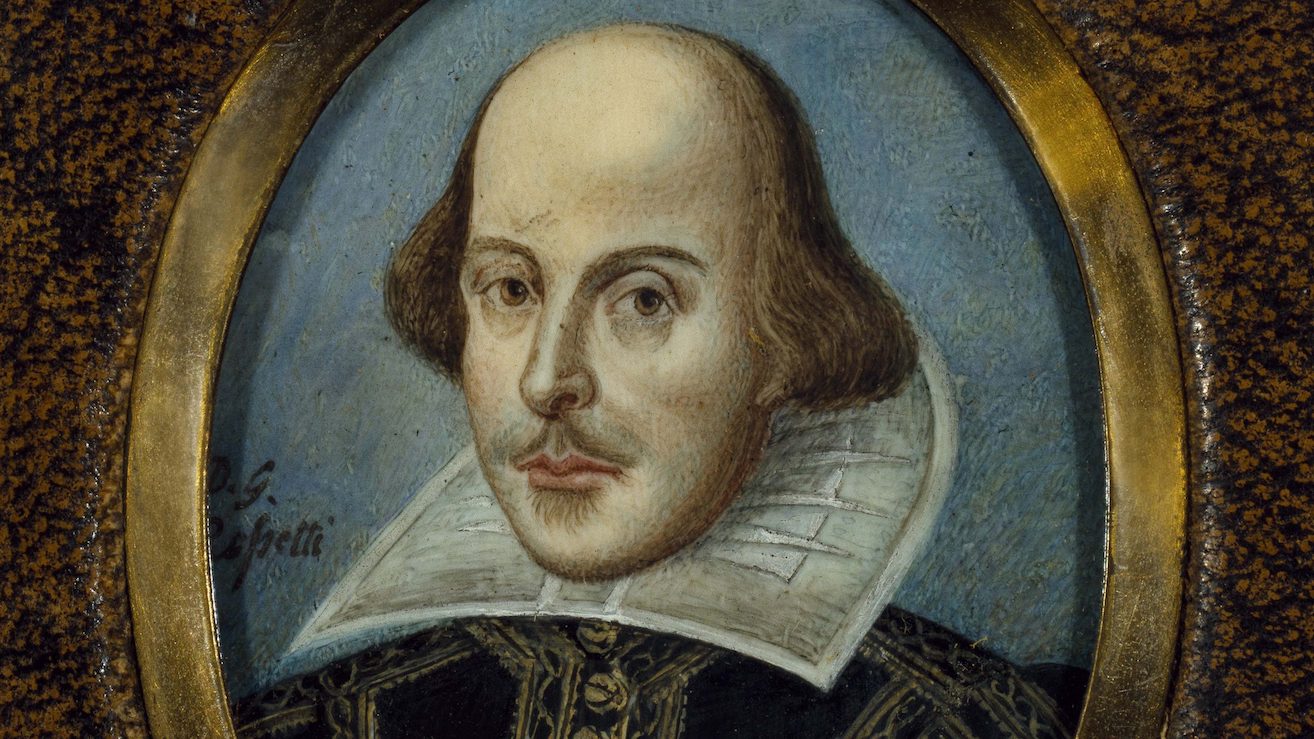
Zygmunt Bauman, in the book mentioned above, traces the shifts in Western cultural imagination from the ancient hero through the Christian martyr, to the revival of the ancient heroic ideal in the early modern period, to our current cult of celebrity. According to Bauman, the modern hero was born “or should we say reborn, mindful of the invocation/resurrection by the French Republic of the ancient Roman formula pro patria after centuries when the Christian notion of the ‘martyr’ ruled over the death of the Crusaders and other ‘holy war’ warriors?”
This conception of the hero arose at the beginning of the construction of the modern nation-state. As a nation, the modern political order exercises “complete and unshared state sovereignty over the territory it claimed,” absorbing or crushing local variations; as a state, it appeals to the “unity of the nation’s interests as the justification of its demands for discipline.” The nation-state needed national patriotism to survive, and a kind of sacralization, of the patriotic hero. In this context, the death of the hero was seen, like the martyr’s death, as a kind of sacrifice, ensuring not the immortality of the soul but the “material immortality of the nation.”
Bauman employs the work of George Mosse, particularly his Fallen Soldiers . As explained by James A. McKee, Mosse’s book “examines the mythology surrounding warfare and the clutches it places on society. His monograph presents clear linkage between the myth and society. The myth is designed to conceal war and legitimize the war experience. It displaces the reality of war and combat and refashions it into a sacred and religious experience. The myth is not limited to the soldiers alone as it gives the nation involved a deep sense of spiritual feeling as well. The youth sent off to combat is shrouded in the guise of saints and potential martyrs. Martyrdom is a common symbol in the pictures surrounding the first world war as fallen soldiers lay in the arms of Christ. The fallen were truly made sacred in the imitation of Christ. These themes that came to surround the myth of war experience were sanctified by millions of families in Europe on both sides of the war awaiting their cult heroes to return. The symbol and images of fallen youth remained powerful images. That so many youth fell during battle under the guise of sacrifice was critical to the continuance of the myth of valor and heroism. In Germany, not living but fallen youth was used to inspire a stronger fatherland.
“Those that died became icons of those that did not shirk their manly duty in the name of country and freedom. Fallen soldiers symbolized what all soldiers should be. Moreover, their sacrifice for the sake of others drew parallels with the Christian ideology of sacrifice and resurrection. Christian symbols dominated the cult of the fallen soldier as families and society at home drew comfort and hope that death would not only be transcended but have purpose and meaning. The tie between Christian themes and symbols cannot be overstated as it appears en mass war cemeteries, popular culture and monuments of the period.”
Peter Leithart
Peter J. Leithart is President of Theopolis Institute. He is the author of numerous books on theology, literature, and culture, including Theopolitan, Defending Constantine, and Baptized Body.
More from History
Continue reading related articles
Realness of Things Past
Greg Anderson began thinking about the thesis of his Realness of Things Past while working on a book on the “state” in classical Greece. He discovered there was no such thing as an Athenian “state,” and that conclusion led him to question the way historians do history. Instead of running…
The Power of the Margins
David Martin (1929-2019) was a secularization skeptic. He acknowledged that modern societies typically undergo a process of "differentiation," in which various sectors of social and political life free themselves from the oversight of religious authority. He acknowledged that in many modern societies religious institutions and values are "marginalized." But he…
Zwinglian Symbolism
Nathan Mitchell (writing in the Oxford History of Christian Worship , 324) denies that Zwingli taught a "mere symbolist" according to which the Supper "simply served to remind believers of the great benefits bestowed on them through Christ's passion and death." Zwingli wasn't a symbolist "in any modern sense." Mitchell…
In Medias Res
Your weekly digest for all things Theopolis.