
John Mbiti, a Kenyan African theologian, describes the impact of a vernacular translation of the Bible: “When the translation is first published, especially that of the New Testament and more so of the whole Bible, the church in that particular language areas experiences its own Pentecost. The church is born afresh, it receives the pentecostal tongues of fire. As in Acts 2, the local Christians now for the first time ‘hear each of us in his own language . . . we hear them telling in our own tongues the mighty works of God’ (Acts 2:6-11). The Spirit of God unlocks ears and people to the Word of God, speaking to them in its most persuasive form. Local Christians cannot remain the same after that.”
Peter Leithart
Peter J. Leithart is President of Theopolis Institute. He is the author of numerous books on theology, literature, and culture, including Theopolitan, Defending Constantine, and Baptized Body.
More from Biblical Studies
Continue reading related articles
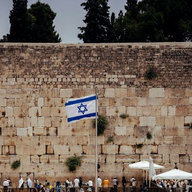
The Bible and the Middle East
Does Bible study matter - I mean, in the real world? Who cares what anyone thinks of Adam or Abraham, whether you're pre-, a-, or post-mil, when missiles are flying from Israel to Iran and back? Yes, Bible study matters, especially in the midst of today's war in the Middle…
Enemies into Friends
This essay was first published at FirstThings.com in September 2019. Given recent debate about justice, friends, and enemies, it seemed useful to repost it here. A third of the way through the Book of Acts, a man named Saul takes over the narrative. Like Israel’s King Saul, this Saul is…
The Bible in the Ancient East
Jeffrey J. Niehaus’s Ancient Near Eastern Themes in Biblical Theology is a superb introduction to the subject. In a brief 180 pages, he examines the parallels between Israel and the surrounding Gentiles in their conceptions of God and kinship; their notions of covenant, law and conquest; their views on the…
In Medias Res
Your weekly digest for all things Theopolis.