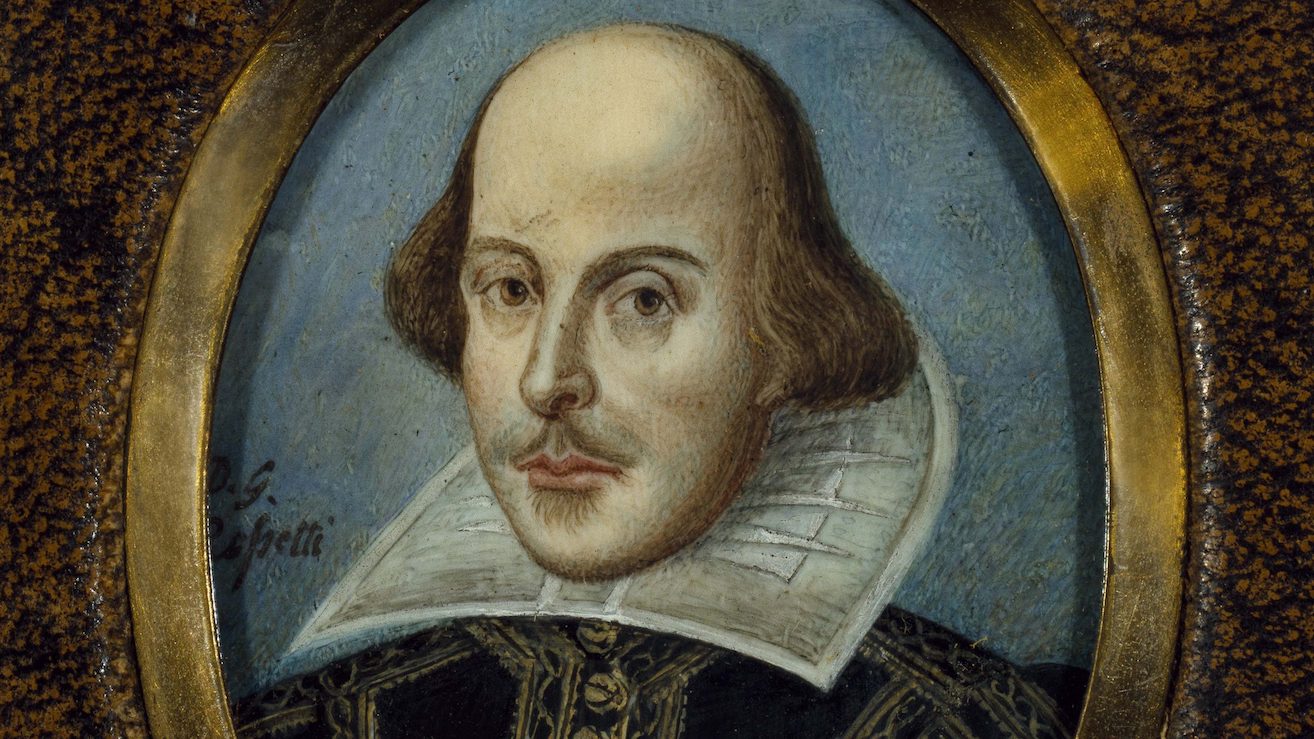
Well, here’s an interesting coincidence (pointed to by Derrida, still in “Plato’s Pharmacy”): Derrida is discussing the ritual of the pharmakos , which he is connecting to Plato’s various uses of pharmak - words in discussions of knowledge, language, and other issues. The pharmakos rite was a scapegoat ritual, annually repeated in Athens into the time of Plato, in which victims were sacrificed and sometimes burned outside the city walls in order to purify the city. Derrida talks about this as the very origin of the difference of intra muros and extra muros . Then the coincidence: “the date of the ceremony is noteworthy: the sixth day of the Thargelia. That was the day of the birth of hm whose death ?Eand not only because a pharmakon was its direct cause ?Eresembles that of a pharmakos from the inside: Socrates.” It is as if Jesus had been born on the Day of Atonement. The two founding deaths of Western civilization, which I have commented on in a recent article in First Things (which was largely a summary of Hamann’s account of Socrates), are uncannily similar ?Ewhile yet utterly different.
Peter Leithart
Peter J. Leithart is President of Theopolis Institute. He is the author of numerous books on theology, literature, and culture, including Theopolitan, Defending Constantine, and Baptized Body.
More from Philosophy
Continue reading related articles
Substance or Tune?
Jonathan Edwards didn’t think the world is a machine. At the heart of the mechanistic interpretation of Newtonian physics, he discerned, was the notion that “bodies” are (in Robert Jenson’s words) “the sort of thing that either can or cannot act ‘properly by themselves.’” The mechanistic world picture involved an…
Paul's Idol Polemics
Joshua Jipp argues that Paul's Areopagus address contains both critique and propaganda, critique of Athenian superstition, lust for novelty, and idolatry, and propaganda in favor of Christian faith as a more consistent fulfillment of the aspirations of Hellenistic philosophical theology. Much of the critique, Jipp shows, is drawn from Isaiah's…
Of Causes and Effects
This essay was first published in The Theopolitan, a weekly newsletter for Theopolis Partners. To become a Partner, you must donate at least $500 per year or $50 per month. Give here . Craig Carter’s Thesis #2 about Trinitarian classical theism ( Contemplating God with the Great Tradition ) is,…
In Medias Res
Your weekly digest for all things Theopolis.