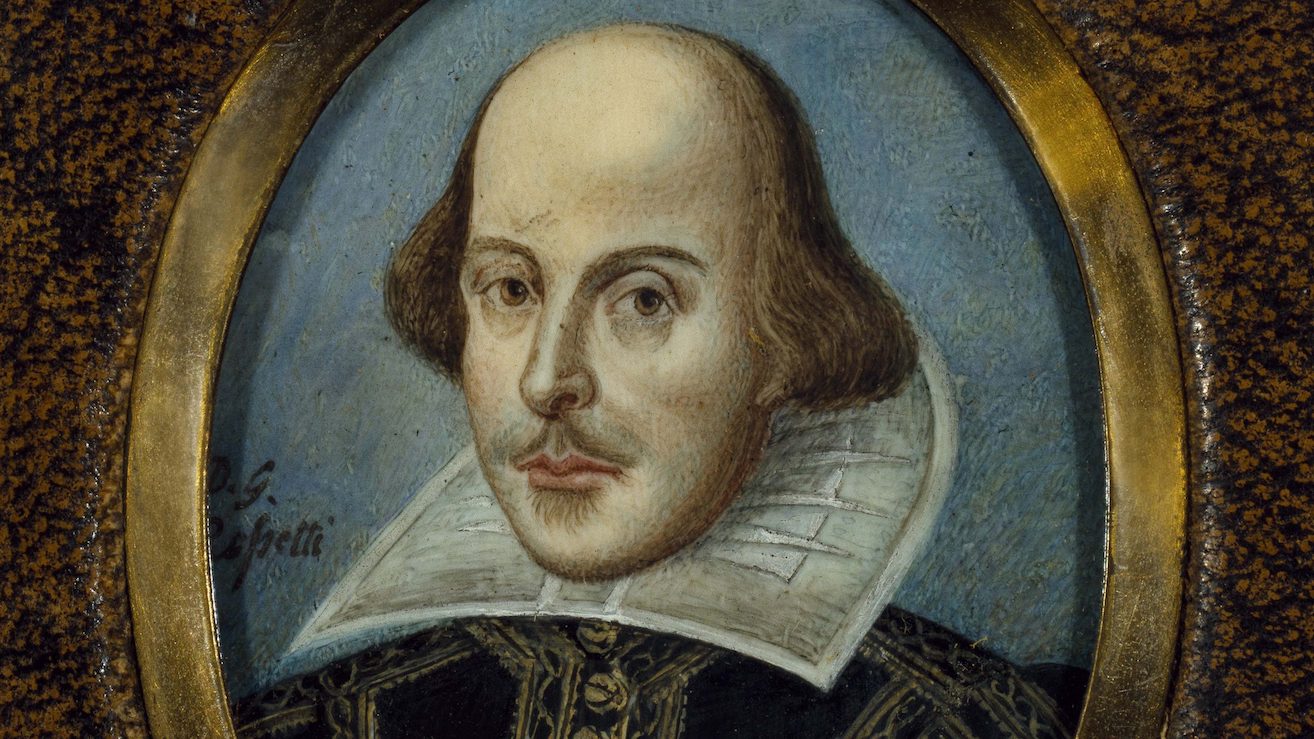
Some reflections on a lecture by Mitch Stokes, a new fellow at NSA, concerning the differences between philosophy and theology.
Ultimately, I don’t believe there is any room for an absolute distinction of theology and philosophy. This is what Stokes said: He defined both theology and “philosophy broadly construed” in Framean terms as “the application of Scripture to all of life.” I agree with that, and would be happy to see philosophy departments admit defeat and close down. I don’t have any desire to defend modern disciplinary boundaries.
In practice there is at least a relative difference between the two. How to characterize that? Mitch offered a definition of “philosophy narrowly construed” as well, suggesting, among other things, that theology tends to be more directly derived from special revelation than philosophy.
But here are some alternative characterizations that occurred to me:
1) It seems preferable to describe the differences in diachronic, historical terms, rather than in synchronic, spatialized terms. That is, theology and philosophy differ as two traditions of intellectual inquiry. Attempting to draw boundary lines, whether in terms of subject matter, method, or purpose, seems to lead to insoluable difficulties.
2) The difference is a choice of interlocutors. The theologian and Christian philosopher are both attempting to articulate what Scripture says, but they have chosen to do that with a different set of conversation partners. Theologians decide they want to spend time in the company of Augustine, Aquinas, Calvin, Luther, Barth, while philosophers (for inexplicable reasons) prefer the company of Plato, Aristotle, Descartes, Kant, Wittgenstein.
3) The difference is a choice of idiom or literary genre. Doing philosophy is like learning a new language, or like learning to write sonnets.
Peter Leithart
Peter J. Leithart is President of Theopolis Institute. He is the author of numerous books on theology, literature, and culture, including Theopolitan, Defending Constantine, and Baptized Body.
More from Philosophy
Continue reading related articles
Substance or Tune?
Jonathan Edwards didn’t think the world is a machine. At the heart of the mechanistic interpretation of Newtonian physics, he discerned, was the notion that “bodies” are (in Robert Jenson’s words) “the sort of thing that either can or cannot act ‘properly by themselves.’” The mechanistic world picture involved an…
Paul's Idol Polemics
Joshua Jipp argues that Paul's Areopagus address contains both critique and propaganda, critique of Athenian superstition, lust for novelty, and idolatry, and propaganda in favor of Christian faith as a more consistent fulfillment of the aspirations of Hellenistic philosophical theology. Much of the critique, Jipp shows, is drawn from Isaiah's…
Of Causes and Effects
This essay was first published in The Theopolitan, a weekly newsletter for Theopolis Partners. To become a Partner, you must donate at least $500 per year or $50 per month. Give here . Craig Carter’s Thesis #2 about Trinitarian classical theism ( Contemplating God with the Great Tradition ) is,…
In Medias Res
Your weekly digest for all things Theopolis.