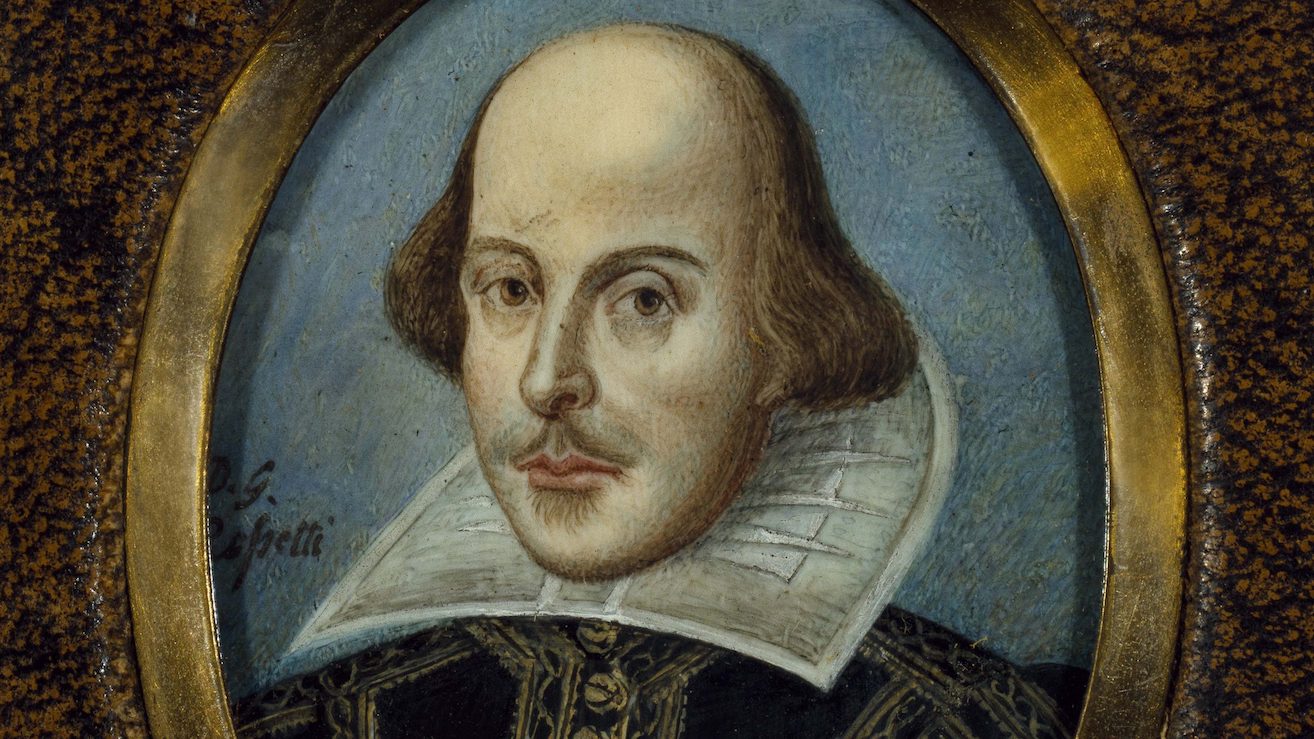
Lloyd P Gerson has just published a book entitled Aristotle and Other Platonists , an effort to show that the two great philosophical opponents of ancient Greece are not opposed at all. He points to the “Neoplatonic” writers of antiquity, who attempted to harmonize the two philosophers. The TLS reviewer, Christopher Shields, is unconvinced, acknowledging that “Plato’s influence on Aristotle was paramount,” but arguing that Aristotle rejects certain Platonic theses, both “positions central to Plato’s thought, as well as others closer to its periphery.” He ends with the intriguing comment that the influence of Aristotle on Plato has been unfortunately neglected: “the two men interacted on a regular basis, with significant periods of interruption, for some two decades.” The fact that this interaction did not produce a tertium quid is evidence of their continuing disagreements, but also leaves the suggestive hint that similarities between them may have arisen as much by Aristotle’s influence on Plato as the opposite.
Peter Leithart
Peter J. Leithart is President of Theopolis Institute. He is the author of numerous books on theology, literature, and culture, including Theopolitan, Defending Constantine, and Baptized Body.
More from Philosophy
Continue reading related articles
Substance or Tune?
Jonathan Edwards didn’t think the world is a machine. At the heart of the mechanistic interpretation of Newtonian physics, he discerned, was the notion that “bodies” are (in Robert Jenson’s words) “the sort of thing that either can or cannot act ‘properly by themselves.’” The mechanistic world picture involved an…
Paul's Idol Polemics
Joshua Jipp argues that Paul's Areopagus address contains both critique and propaganda, critique of Athenian superstition, lust for novelty, and idolatry, and propaganda in favor of Christian faith as a more consistent fulfillment of the aspirations of Hellenistic philosophical theology. Much of the critique, Jipp shows, is drawn from Isaiah's…
Of Causes and Effects
This essay was first published in The Theopolitan, a weekly newsletter for Theopolis Partners. To become a Partner, you must donate at least $500 per year or $50 per month. Give here . Craig Carter’s Thesis #2 about Trinitarian classical theism ( Contemplating God with the Great Tradition ) is,…
In Medias Res
Your weekly digest for all things Theopolis.