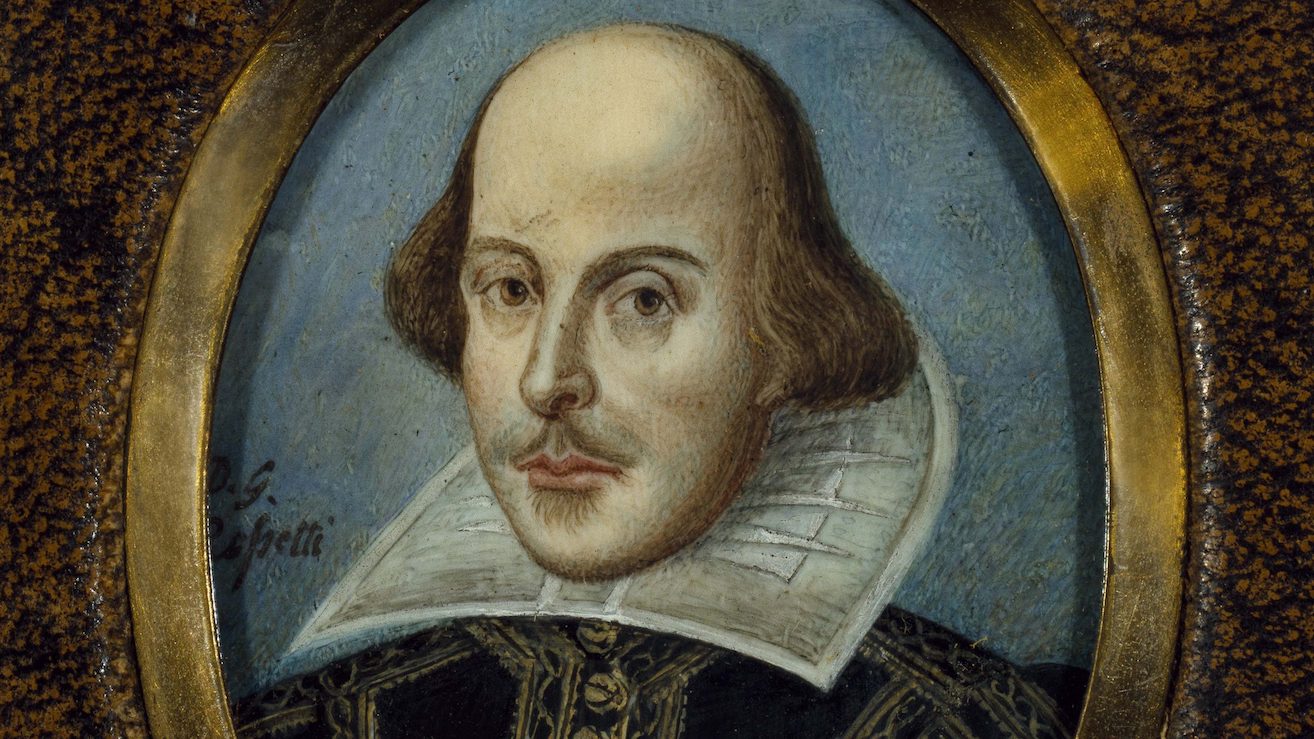
Discussing Bentham’s vision of the panopticon, Foucault notes that Bentham’s vision inverts the relationship of visibility and power. Traditional power was made visible in various sorts of symbols - crowns, robes, rituals; the powerful displayed their power in public, and this public display was the basis of their power. In the panopticon, the subjects living in the surrounding are permanently visible to the rulers who occupy the central tower of the structure, while the rulers remain anonymous and invisible to the subjects; and the basis of the rulers’ power is that they remain invisible, anonymous, shadowy, let’s say, bureaucratic (as in Kafka’s Castle).
One effect of this ideal of social organization is that the character of the ruler becomes irrelevant to the exercise of power: “Power has its principle not so much in a person as in a certain concerted distribution of bodies, surfaces, lights, gazes; in an arrangement whose internal mechanisms produce the relation in which individuals are caught up. The ceremonies, the rituals, the marks by which the sovereign’s surplus power was manifested are useless. There is a machinery that assures dissymmetry, disequilibrium, difference. Consequently, it does not matter who exercises power. Any individual, taken almost at random, can operate the machine: in the absence of the director, his family, his friends, his visitors, even his servants. Similarly, it does not matter what motive animates him: the curiosity of the indiscreet, the malice of a child, the thirst for knowledge of a philosopher who wishes to visit this museum of human nature, or the perversity of those who take pleasure in spying and punishing. The more numerous those anonymous and temporary observers are, the greater the risk for the inmate of being surprised and the greater his anxious awareness of being observed. The Panopticon is a marvellous machine, which, whatever use one may wish to put it to, produces homogeneous effects of power.”
Peter Leithart
Peter J. Leithart is President of Theopolis Institute. He is the author of numerous books on theology, literature, and culture, including Theopolitan, Defending Constantine, and Baptized Body.
More from Politics
Continue reading related articles
Political Gospel
The gospel isn't an apolitical message that happens to have political implications. It’s not a message of private salvation with downstream public consequences. Exactly the opposite. The gospel is public and political truth with personal consequences. All the vocabulary of the gospel is political. The Greek word for “gospel” –…

When Idolaters Move In
What should Christians do if we discover there are idolaters living down the street? Lots of tangles in the question. For better or worse, the U.S. Constitution guarantees freedom of religion. We can debate whether or not the Framers intended the Constitution to protect Hindus and Muslims. In actual legal…

Free Speech
Free speech is a fundamental value of liberal politics, an expression of John Stuart Mill's promise that we can do and say anything , so long as we do no harm. It's a false promise. Absolute free speech was always a ruse. Speech has never been entirely free. It can't…
In Medias Res
Your weekly digest for all things Theopolis.