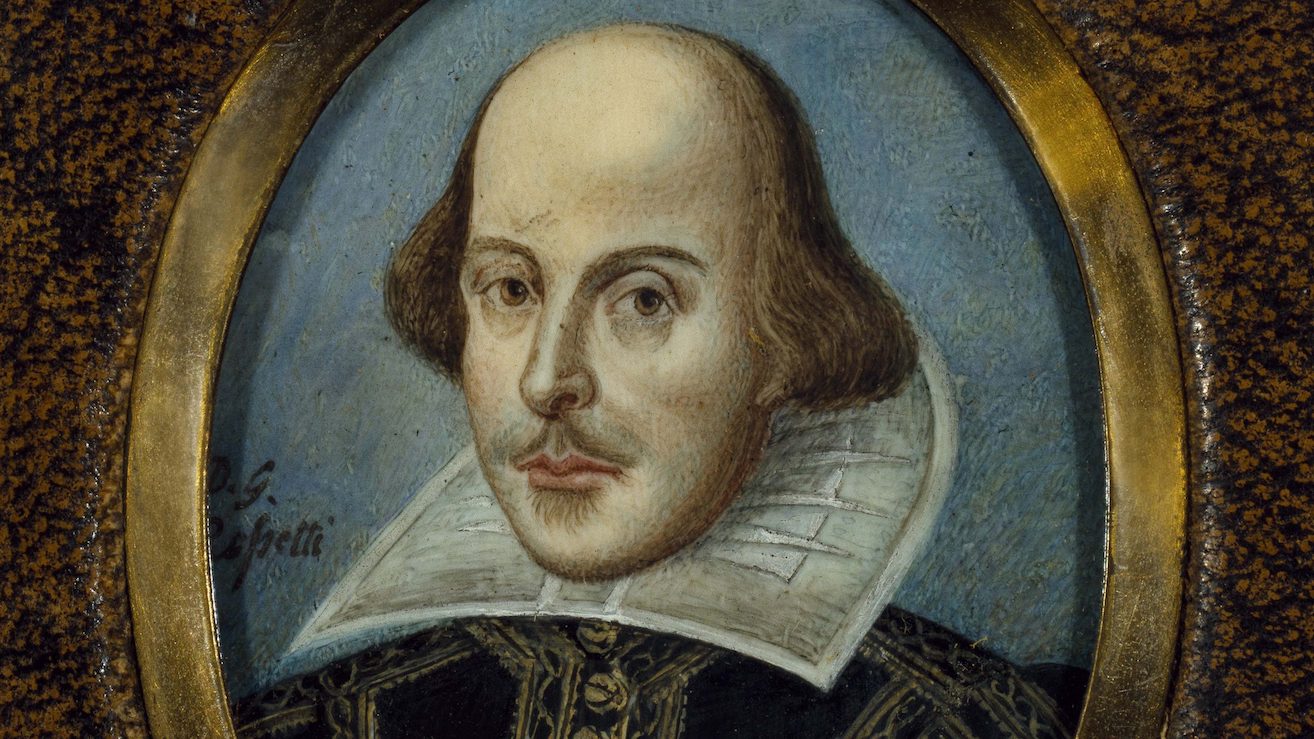
Krishan Kumar, From Post-Industrial to Post-Modern Society. Second Edition. London: Blackwell, 2005. 289 pp.
Much has been written about postmodernity, but this book by Krishan Kumar, William R. Kennan, Jr., Professor of Sociology at the University of Virginia, is in a league of its own. First published in 1995, From Post-Industrial to Post-Modern Society is wide-ranging, careful, balanced, and, above all, clear. He covers all the usual suspects – Derrida, Foucault, Lyotard – but is more interested in the social and political dimensions of the contemporary world. Kumar focuses on the rapidly changing character of work and economic organization, the spread of information and communication through new technologies, as well as the theoretical challenge to modern assumptions from postmodern thinkers. He examines the global extent of these changes, but recognizes that Europe and the U. S. remain central in the dissemination of postmodern cultural and social forms. The book displays a fine historical sense; his treatment of “modernity,” for instance, begins with a brief history of the Latin modernus throughout the Middle Ages. This is the book for the reader with time to read only one book on postmodernism.
Peter Leithart
Peter J. Leithart is President of Theopolis Institute. He is the author of numerous books on theology, literature, and culture, including Theopolitan, Defending Constantine, and Baptized Body.
More from History
Continue reading related articles
Realness of Things Past
Greg Anderson began thinking about the thesis of his Realness of Things Past while working on a book on the “state” in classical Greece. He discovered there was no such thing as an Athenian “state,” and that conclusion led him to question the way historians do history. Instead of running…
The Power of the Margins
David Martin (1929-2019) was a secularization skeptic. He acknowledged that modern societies typically undergo a process of "differentiation," in which various sectors of social and political life free themselves from the oversight of religious authority. He acknowledged that in many modern societies religious institutions and values are "marginalized." But he…
Zwinglian Symbolism
Nathan Mitchell (writing in the Oxford History of Christian Worship , 324) denies that Zwingli taught a "mere symbolist" according to which the Supper "simply served to remind believers of the great benefits bestowed on them through Christ's passion and death." Zwingli wasn't a symbolist "in any modern sense." Mitchell…
In Medias Res
Your weekly digest for all things Theopolis.