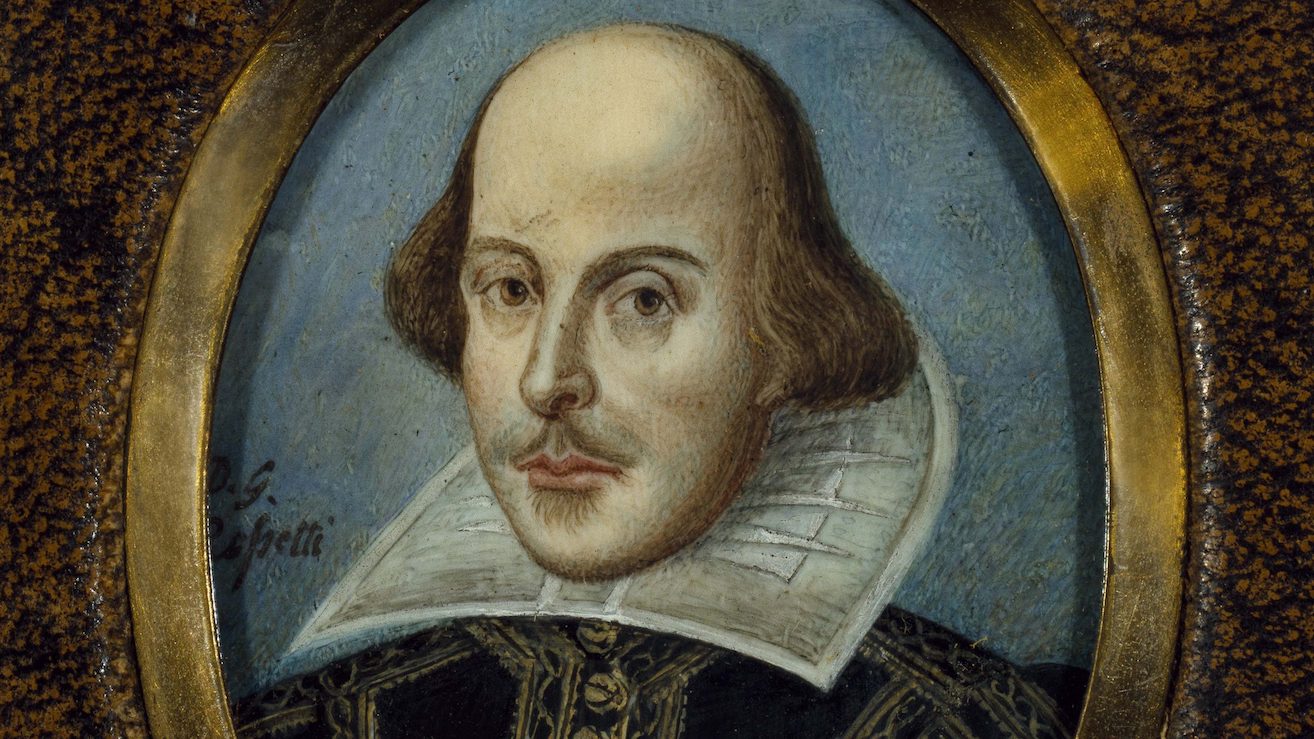
When, in the European consciousness, did the Roman Empire end? 404 or 476 make sense, but I wonder if the Reformation was the true end of imperial Rome. Protestants frequently saw continuities of some sort between the Roman imperial authority and papal authority, and what they saw opening before their eyes was an era in European history ?Ethe first era in the Christian era ?Ewhen large sectors of Europe were no longer beholden to Rome. Henry VIII ended not only a millennium of papal sovereignty over England, but ended a period of Roman interference that dated back to Julius Caesar himself.
Consistent with this is the often negative potrayal one finds of Rome in early modern English literature and historiography. This comment by William Thomas ( History of Italy , 1577) is not untypical:
“[When] I beheld . . . the wonderful majesty of buildings . . . imagining, withal, what majesty the city might be of, when all these things flourished I remembered again the occasions whereof these glorious things have grown, what numbers of wars the Romans have maintained with infinite blood shedding, destructions of whole countries, ravishments of chaste women, sack, spoil, tributes, oppression of commonwealths, and a thousand other tyrannies without the which the Romans could never have achieved the perfection of so many wonders as mine eye did there behold. Then I perceived how just the judgment of God is, that hath made those antiquities a foul spoil of the Roman pride, and for a witness to the world’s end of their tyranny.”
The other side of this is that the newly minted centralized nations of post-Reformation Europe symbolized their sovereignty by gestures toward Rome. James I was called Emperor, and he adorned his reign with iconography of Empire. Roman dominance of Europe was broken, but each little piece wanted to proclaim itself as the true heir of empire.
Peter Leithart
Peter J. Leithart is President of Theopolis Institute. He is the author of numerous books on theology, literature, and culture, including Theopolitan, Defending Constantine, and Baptized Body.
More from History
Continue reading related articles
Realness of Things Past
Greg Anderson began thinking about the thesis of his Realness of Things Past while working on a book on the “state” in classical Greece. He discovered there was no such thing as an Athenian “state,” and that conclusion led him to question the way historians do history. Instead of running…
The Power of the Margins
David Martin (1929-2019) was a secularization skeptic. He acknowledged that modern societies typically undergo a process of "differentiation," in which various sectors of social and political life free themselves from the oversight of religious authority. He acknowledged that in many modern societies religious institutions and values are "marginalized." But he…
Zwinglian Symbolism
Nathan Mitchell (writing in the Oxford History of Christian Worship , 324) denies that Zwingli taught a "mere symbolist" according to which the Supper "simply served to remind believers of the great benefits bestowed on them through Christ's passion and death." Zwingli wasn't a symbolist "in any modern sense." Mitchell…
In Medias Res
Your weekly digest for all things Theopolis.