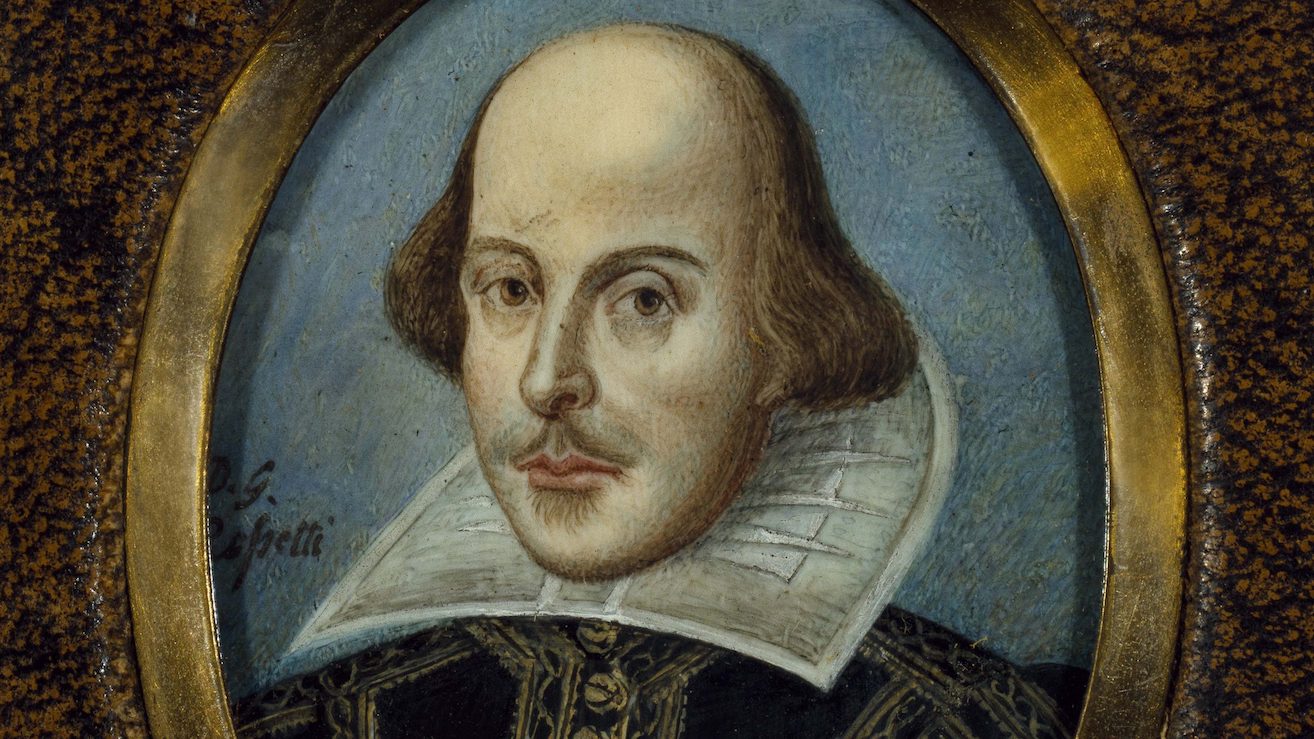
George Steiner in his Death of Tragedy describes the “Shakespearean difference” as mainly due to Shakespeare’s avoidance of fascination with Hellenic models: “The neo-classic view [which rigidified Aristotelian conceptions of tragedy] expresses a growing perception of the miracle of Greek drama. This perception was fragmentary. There were few translations of Aeschylus, and the plays of Euripides were known mainly in the versions of Seneca. Renaissance scholars failed to realize, moreover, that Aristotle was a practicel critic whose judgements are relevant to Sophocles rather than to the whole of Greek drama (there is no unity of time, for instance, in the Eumenides). Nevertheless, the ideals of Sidney and the ambitions of Ben Jonson convey insight into the fact that the tragic imagination owes to the Greek precedent a debt of recognition. Time and agian, this insight has mastered the sensibility of western poets. Much of poetic drama, from Milton to Goethe, from Holderlin to Cocteau, is an attempt to revive the Greek ideal. It is a great and mysterious stroke of fortune that Shakespeare escaped the fascination of the Hellenic.”
A stroke of fortune indeed. But perhaps it is not so mysterious as Steiner makes it out. Perhaps Shakespeare’s use of medieval models (which Steiner does recognize) and his clear familiarity with the Bible delivered him from derivative Hellenic drama.
Peter Leithart
Peter J. Leithart is President of Theopolis Institute. He is the author of numerous books on theology, literature, and culture, including Theopolitan, Defending Constantine, and Baptized Body.
More from Literature
Continue reading related articles
God's Plenty
A few thoughts on the “General Prologue” to Chaucer’s Canterbury Tales . 1) The Prologue sets the stage for a multi-layered set of tales. The real-life Chaucer is, of course, the author, but in the Prologue, he introduces a fictional version of himself as narrator: It happened in that season…
Violence as Poetry
Paul and Jane Sinclair, protagonists of J.G. Ballard’s 2000 novel Super-Cannes , move from England to the French Riviera to live at a new high-tech business park, Eden-Olympia (!), after Jane’s friend and former lover, Dr. David Greenwood, goes on a killing spree that ends with suicide. Jane, a pediatrician,…

Memento Mori
Virtually all the characters in Muriel Spark’s 1959 novel, Memento Mori , are over 70. They suffer the physical humiliations of aging and the pains of regret. Unexpectedly, hilariously, they’re as competitive and petty as schoolchildren. Well into his 80s, Godfrey Colston scorns the crippled critic Guy Leets for the…
In Medias Res
Your weekly digest for all things Theopolis.