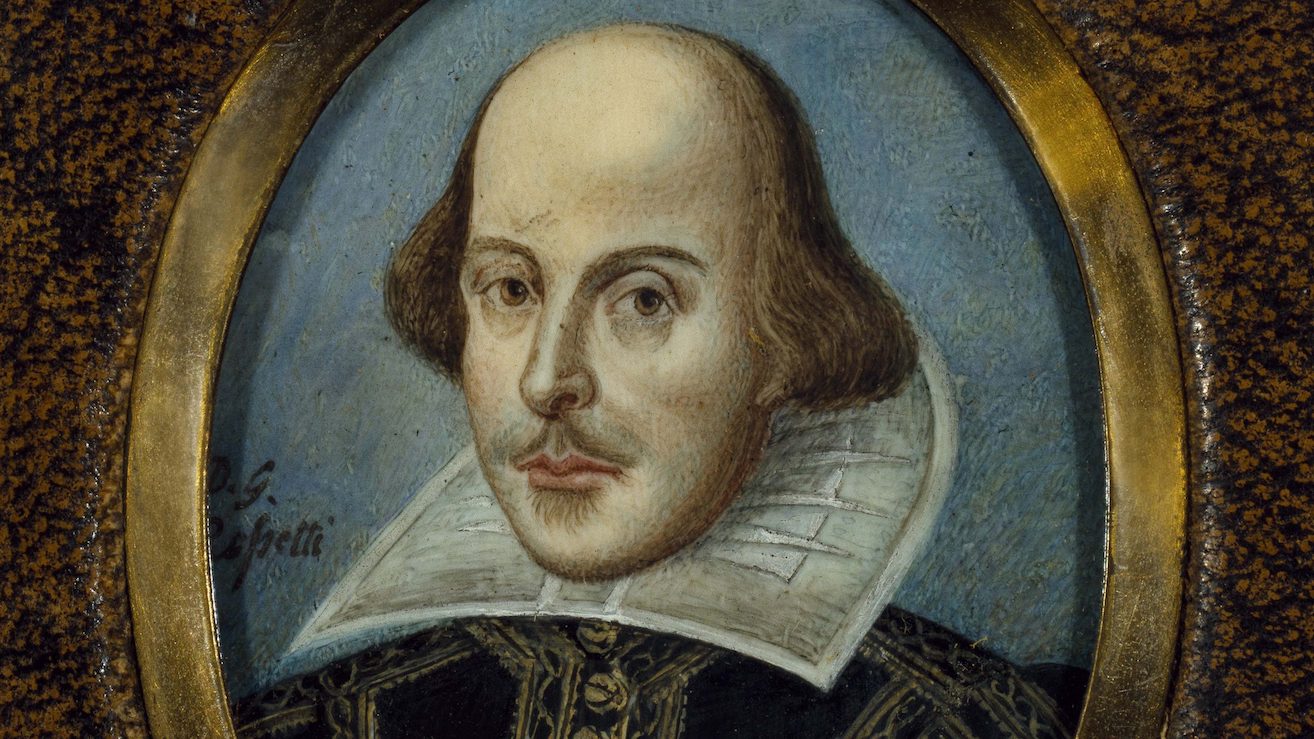
Jonathan Dollimore argues in Death, Desire and Loss in Western Culture that the West has been defined by a particular linking of thanatos and eros, which is associated with the problem of mutability. He quotes Yeats to the effect that we love what vanishes, and there is no more to be said. This can lead in a hedonistic (eat, drink, be merry; carpe diem ) direction or toward a kind of grim Stoic resignation, but in either case the problematic is the same.
Dollimore says that this concern with mutability comes to clearest expression in the Renaissance. That rings true, but it also raises the question of whether this is part of the rebirth of paganism in the Renaissance. It seems that so long as mutability is seen as the dominant dynamic of life, then to that extent the gospel has not penetrated.
After all, if change is the story of creation, and it is the story from the first words of the creation account (darkness is broken by light, and then they alternate), then change is good. Mutability is not a difficulty in the least. it is something to celebrate rather than mourn. Or we can start at the other end: What we love dies, but for the Christian there is also resurrection, restoration, and complete final joy. That future hope throws the changeability of the world into a new light, and strengthens the Preacher’s exhortation to “eat, drink, be merry, rejoice with the wife of your youth, and tell yourself your work is good” in the face of life’s “vaporous” character.
To the extent that Dollimore is correct, to that extent the Western world has remained a mish-mash of Hellenic despair and puzzlement in the face of change on the one hand and Christian hope in resurrection on the other. But I’m not convinced that Dollimore is correct about the whole of the Western tradition. Or was this the result of the particular intervention of the Renaissance? Was mutability the problem for Chaucer that it was for Spenser?
Peter Leithart
Peter J. Leithart is President of Theopolis Institute. He is the author of numerous books on theology, literature, and culture, including Theopolitan, Defending Constantine, and Baptized Body.
More from Philosophy
Continue reading related articles
Substance or Tune?
Jonathan Edwards didn’t think the world is a machine. At the heart of the mechanistic interpretation of Newtonian physics, he discerned, was the notion that “bodies” are (in Robert Jenson’s words) “the sort of thing that either can or cannot act ‘properly by themselves.’” The mechanistic world picture involved an…
Paul's Idol Polemics
Joshua Jipp argues that Paul's Areopagus address contains both critique and propaganda, critique of Athenian superstition, lust for novelty, and idolatry, and propaganda in favor of Christian faith as a more consistent fulfillment of the aspirations of Hellenistic philosophical theology. Much of the critique, Jipp shows, is drawn from Isaiah's…
Of Causes and Effects
This essay was first published in The Theopolitan, a weekly newsletter for Theopolis Partners. To become a Partner, you must donate at least $500 per year or $50 per month. Give here . Craig Carter’s Thesis #2 about Trinitarian classical theism ( Contemplating God with the Great Tradition ) is,…
In Medias Res
Your weekly digest for all things Theopolis.