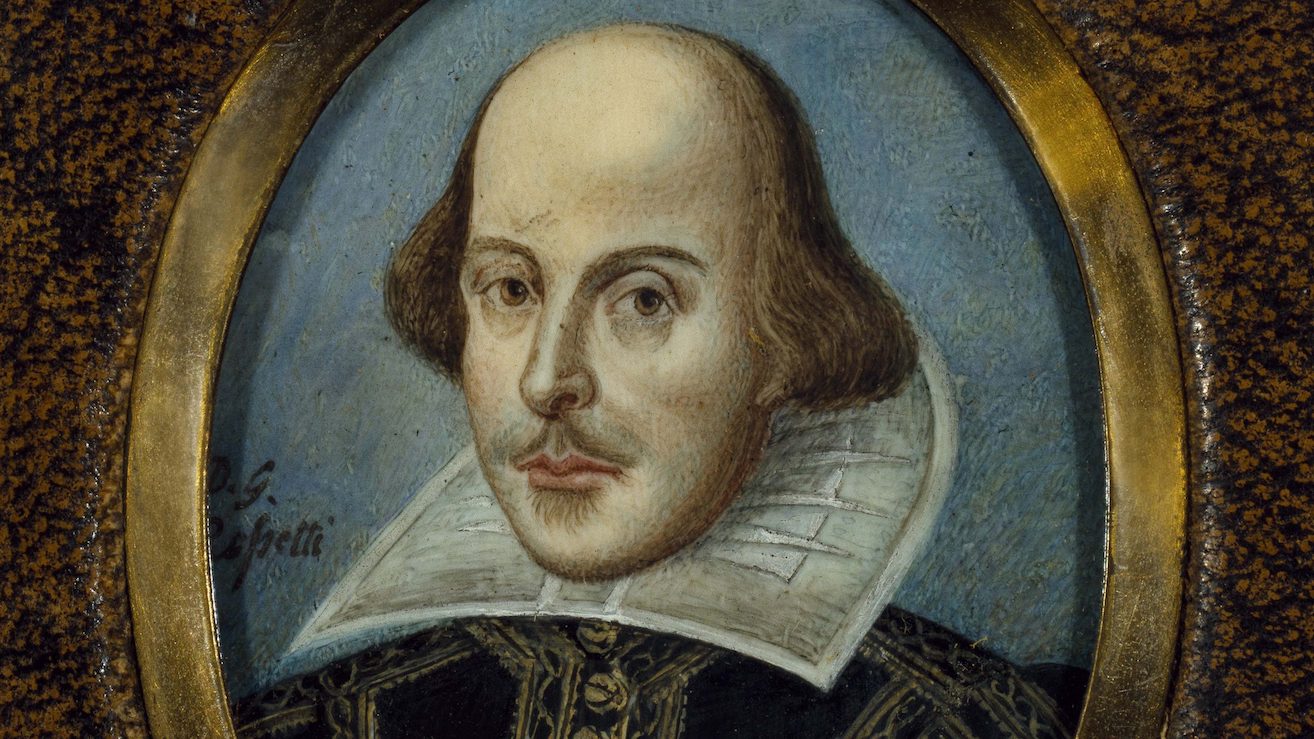
In his Postmodernism: A Very Short Introduction (Oxford), Christopher Butler points out that postmodern art and postmodern theory arose at different times and had different sources of inspiration. Postmodernism in art is evident in the postwar period as art becomes “deliberately less unified, less obviously ‘masterful,’ more playful or anarchic, more concerned with the processes of our understanding than with the pleasures of artistic finish or unity, less inclined to hold a narrative together, and certainly more resistant to a certain interpretation, than much of the art that had preceded it.” Artistic postmodernism intended to shock and disorient, to disturb the viewer or reader, to highlight its artificiality and question its status as art.
Postmodern theory arose somewhat later, and had little interaction with the avant garde. Instead, postmodern theorists “began their work by thinking about the implications of modernism” and were often working within a Marxist context. Once it established a foothold, theory “disseminated itself into the avant-garde and into university humanities departments.
Peter Leithart
Peter J. Leithart is President of Theopolis Institute. He is the author of numerous books on theology, literature, and culture, including Theopolitan, Defending Constantine, and Baptized Body.
More from History
Continue reading related articles
Realness of Things Past
Greg Anderson began thinking about the thesis of his Realness of Things Past while working on a book on the “state” in classical Greece. He discovered there was no such thing as an Athenian “state,” and that conclusion led him to question the way historians do history. Instead of running…
The Power of the Margins
David Martin (1929-2019) was a secularization skeptic. He acknowledged that modern societies typically undergo a process of "differentiation," in which various sectors of social and political life free themselves from the oversight of religious authority. He acknowledged that in many modern societies religious institutions and values are "marginalized." But he…
Zwinglian Symbolism
Nathan Mitchell (writing in the Oxford History of Christian Worship , 324) denies that Zwingli taught a "mere symbolist" according to which the Supper "simply served to remind believers of the great benefits bestowed on them through Christ's passion and death." Zwingli wasn't a symbolist "in any modern sense." Mitchell…
In Medias Res
Your weekly digest for all things Theopolis.