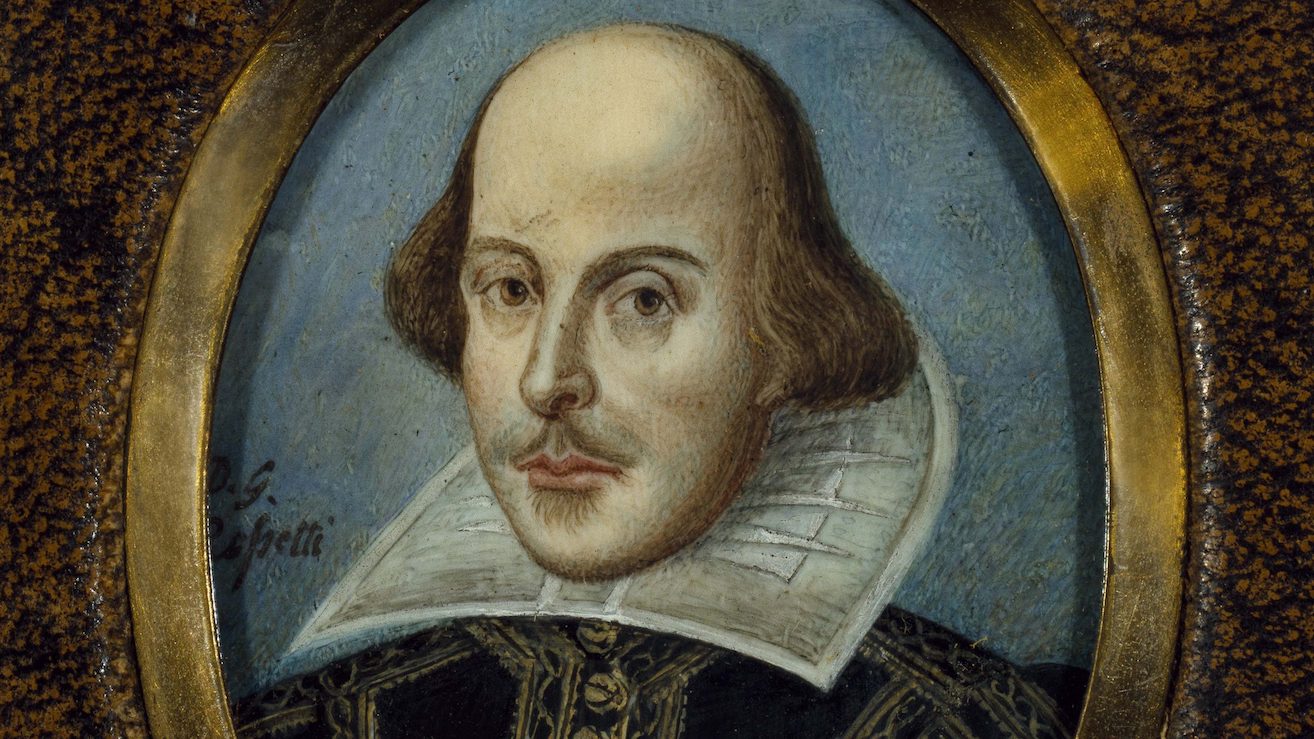
Baillie quotes the opening lines of Rousseau’s Confessions , and notes that it, like Descartes’s cogito, is an “effort to avert attention from what Girard calls mimetic desire, the elimination of which is tantamount to the rejection of Christian anthropology. Rousseau begins his Confessions not with a prayer, but with an assertion, and what he asserts is precisely the repudiation of mimesis . . . . Of course, the claim that he has no predecessors is odd, even comically odd, in light of the fact that he has chosen as the title of his autobiography the title Augustine used for his . . . . His genius may well have been in realizing the seductive power of autonomy on public display, something he systematically performed for the benefit of his rapt European audience. The very use of the word display in these opening lines of his Confessions must not go unremarked. Unlike Descartes, who took great pains to isolate himself from the mimetic contagion of others, Rousseau, concerned less with epistemological than with psychological verisimilitude, hit upon another strategy. In fact, it was the direct opposite of Descartes’ solution, and for that reason just as dubious. Rousseau would be alone in public , a curious but fascinating inversion of monasticism’s solidarity in solitude. It all dependece, of course, on Rousseau’s dramatization of his aloneness and aloofness.”
Peter Leithart
Peter J. Leithart is President of Theopolis Institute. He is the author of numerous books on theology, literature, and culture, including Theopolitan, Defending Constantine, and Baptized Body.
More from History
Continue reading related articles

Realness of Things Past
Greg Anderson began thinking about the thesis of his Realness of Things Past while working on a book on the “state” in classical Greece. He discovered there was no such thing as an Athenian “state,” and that conclusion led him to question the way historians do history. Instead of running…
The Power of the Margins
David Martin (1929-2019) was a secularization skeptic. He acknowledged that modern societies typically undergo a process of "differentiation," in which various sectors of social and political life free themselves from the oversight of religious authority. He acknowledged that in many modern societies religious institutions and values are "marginalized." But he…
Zwinglian Symbolism
Nathan Mitchell (writing in the Oxford History of Christian Worship , 324) denies that Zwingli taught a "mere symbolist" according to which the Supper "simply served to remind believers of the great benefits bestowed on them through Christ's passion and death." Zwingli wasn't a symbolist "in any modern sense." Mitchell…
In Medias Res
Your weekly digest for all things Theopolis.