
To hear us talk about voting, one would think that Americans vote on principle. By our votes, we endorse a particular vision of national good that we want to see realized. Our votes declare what role we think civil power should play in that national good. We are moralists with our voting as we are with so much else.
It is preferable, however, for political activists to demystify and de-moralize voting so that we can recognize that we campaign and cast votes for the sake of access as much as for the sake of principle. Not that we should campaign or vote for candidates that will pursue policies that we abhor. But if a vote is a bid for access, it’s easier to accept the (inevitable) fact that we vote for the least bad candidate.
So, a choice to campaign for a particular candidate is an effort to establish a relationship, a debt, that can be cashed in later. We serve, support, and vote for the candidate to whose favor we have the clearest path, so that when we do need to make a principled appeal, we have cards to play and a place at the gaming table. A vote for access is a vote for someone with whom we might have some sway.
Peter Leithart
Peter J. Leithart is President of Theopolis Institute. He is the author of numerous books on theology, literature, and culture, including Theopolitan, Defending Constantine, and Baptized Body.
More from Politics
Continue reading related articles

Political Gospel
The gospel isn't an apolitical message that happens to have political implications. It’s not a message of private salvation with downstream public consequences. Exactly the opposite. The gospel is public and political truth with personal consequences. All the vocabulary of the gospel is political. The Greek word for “gospel” –…

When Idolaters Move In
What should Christians do if we discover there are idolaters living down the street? Lots of tangles in the question. For better or worse, the U.S. Constitution guarantees freedom of religion. We can debate whether or not the Framers intended the Constitution to protect Hindus and Muslims. In actual legal…
Free Speech
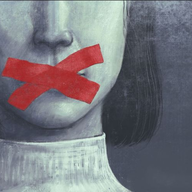
Free speech is a fundamental value of liberal politics, an expression of John Stuart Mill's promise that we can do and say anything , so long as we do no harm. It's a false promise. Absolute free speech was always a ruse. Speech has never been entirely free. It can't…
In Medias Res
Your weekly digest for all things Theopolis.