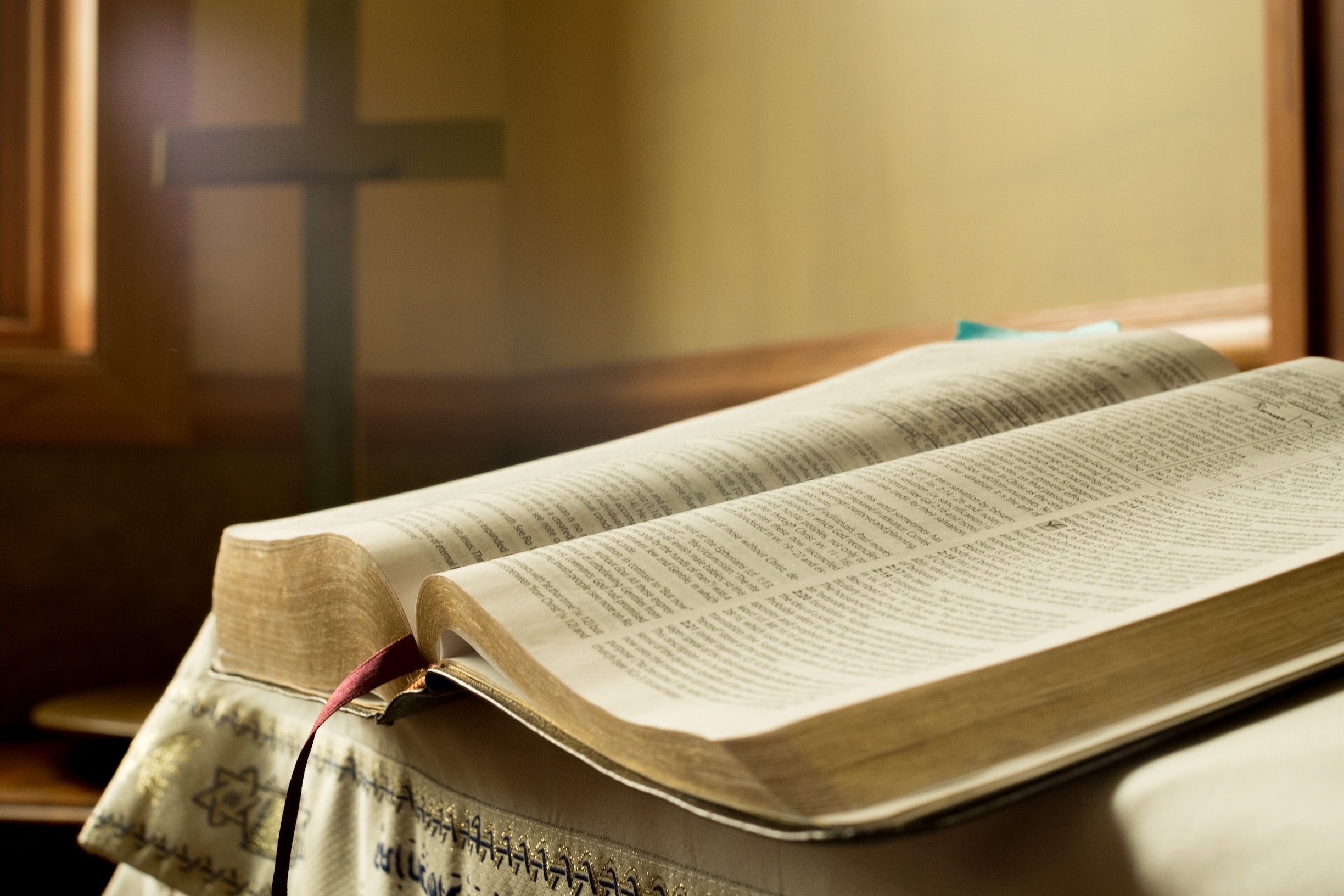
Ephesians is often treated as a pure type example of the Pauline method that “the indicative preceds the imperative.”
But what Paul does first is pray . Simply reading verse 3 and following involves readers in a prayer of thanksgiving to God–and much more so for those listening to the epistle read out loud in a Church gathering. This prayer then turns into a request for God to grant the Ephesians knowledge of what they have. And that practice, which involves the reader and listeners of the letter, sets the stage for the imperative at the end of the epistle, that the Ephesians should pray for everything.
God doesn’t begin with propositions. He begins by practice and teaching us by practice. That way we are in a position to understand both His propositions and his poems.
Theology should be compared more to dance than to book reading.
By the way, one of the astounding oddities I found reading the English translation of Bavinck’s first volume of Reformed Dogmatics (pp. 34, 35) is that he lists William Ames as a bad guy for defining theology as “the art of living to God.”
Mark Horne is a member of the Civitas group, and holds an M.Div from Covenant Theological Seminary. He is assistant pastor at Providence Reformed Presbyterian Church in St. Louis, and is the executive director of Logo Sapiens Communications. He writes at www.SolomonSays.net , and is the author, most recently, of “ Solomon Says: Directives for Young Men ” from Athanasius Press.
Mark Horne is a contributor to Theopolis.
More from Ephesians
Continue reading related articles
The Trinitarian Structure of Obedience
The evangelical milieu of America has often lost a vision of the fruit of repentance. We tend to simplify repentance by asking for forgiveness. After all, Jesus tells Peter to forgive 70 times 7. This verse must be paired with Paul’s scoffing at the question: why not sin more so…
“Be Holy for I am Holy”
Below is an excerpt from Mark Horne’s manuscript from his forthcoming commentary on Ephesians, specifically on Paul’s reference to Christians as “saints” (Ephesians 1:1). “Paul, an apostle of Christ Jesus by the will of God, to the saints who are in Ephesus, and are faithful in Christ Jesus.” Paul greets…
How We Get Ephesians 2 Wrong | Part Two: Evangelism & Conversion
And you were dead in the trespasses and sins in which you once walked, following the course of this world, following the prince of the power of the air, the spirit that is now at work in the sons of disobedience—-among whom we all once lived in the passions of…
In Medias Res
Your weekly digest for all things Theopolis.