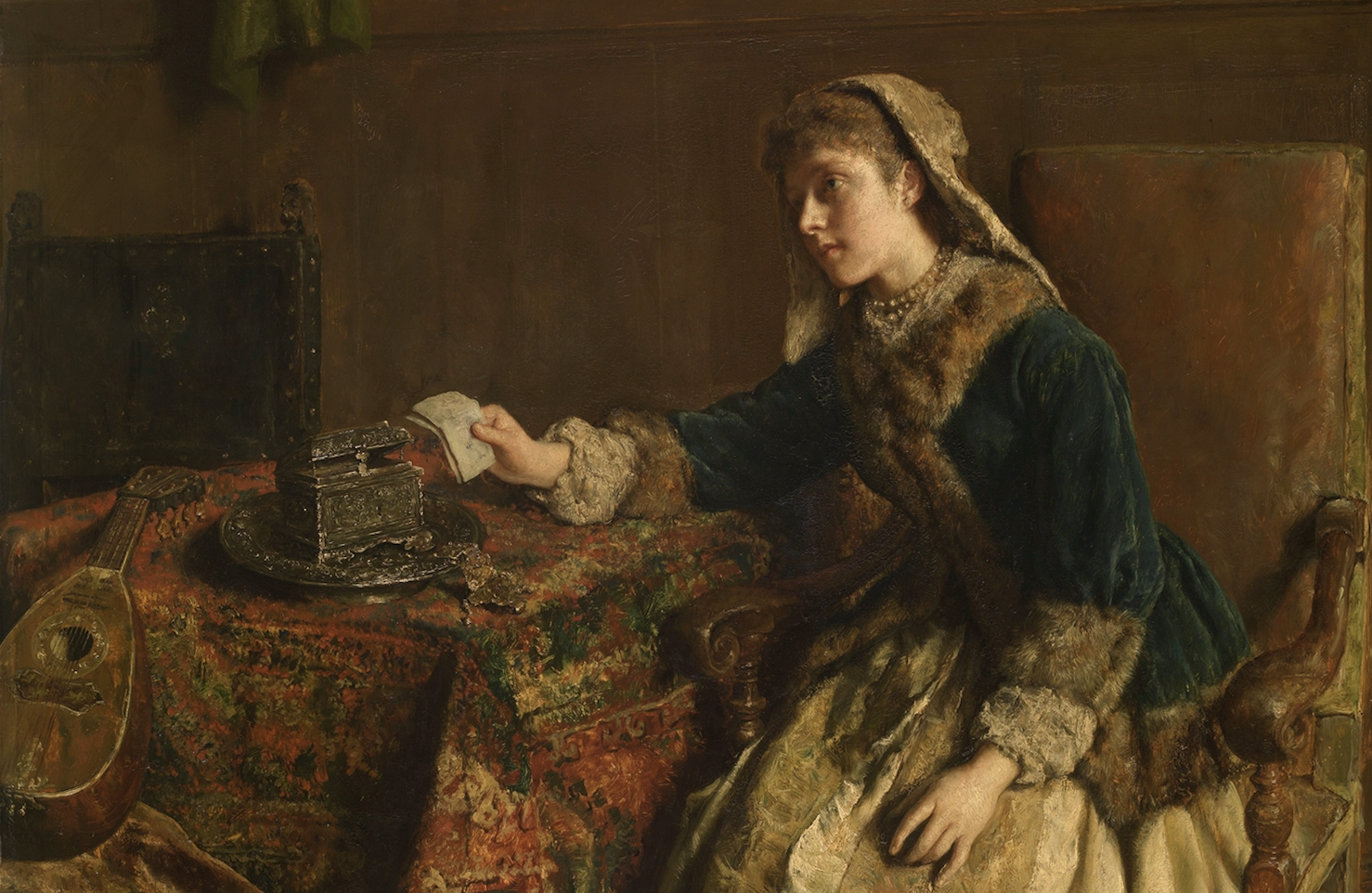
“I chant slips and irreversible disasters, wiltings, failures, scars, the little disappointments and the large, blue streaks down a world that wishes it was only suncolors.”
Paul J. Pastor from Kintsugi Song
I recently lost something very valuable. Something I’d had for years and used every day.
But, it wasn’t the sort of thing you lose and then find again. It was the sort of thing you lose by choice.
Overwhelming anger and fear followed this loss. There were days I could not carry anything but my own thoughts in my head.
I would wake in the middle of the night and recite Psalm 130 over and over. I would pray through all the implications and repercussions woven thick and tight around this loss. Until the repetition would lull my brain back to sleep.
Other times, I would rise. Sleep wouldn’t come even after hours of prayer. I would light a fire and stare at the flames thinking. Thinking about what comes next. Thinking about what my life looks like with this gaping hole in the middle of it.
For, that’s what the loss felt like to me. A gaping hole. A hole I didn’t know how to fill. A hole I didn’t know how to cover up. A hole that made it hard to see the past clearly and almost impossible to hope for the future.
Big losses create big holes. “Everyday things” vanish and become “never again things.” Those holes create grief. Losing some thing that is really important to you feels eerily similar to losing some one important to you.
That’s not an exaggeration or a forced comparison. Friends who have lost a parent tell me that long after, they will try to call that parent before remembering that they cannot. And I know that it will be a long time before my brain remaps and rewires all of the thoughts and tasks which used to be a part of my every day, but that I have now lost.
Embracing my feelings as grief suddenly meant I was going through a very natural and human process—it also meant I had to give myself time and space to heal. Numbing the feelings through distraction offered temporary relief. But, running to the next thing to avoid the feelings was not going to help fill the hole. I needed to learn yet again–and on a deeper level–how to be still and how to be content. Which meant I had to be honest with God while waiting for Him to fill this embarrassing, shameful, frightful hole with Himself and whatever good deeds He had foreordained for me. Whatever came next was coming from Him and in His time.
Loss and grief are part of the human experience. And losing something important helps the Christian to think rightly about mortality and futility. When Christ asked us to die to ourselves, He meant it. Loss in all its forms trains the Christian to die well.
Mandi Gerth is a contributor to Theopolis.
More from Death
Continue reading related articles

A Time to Kill (Ecclesiastes 3:3)
Where do we draw the lines between what is right and wrong? This question is fundamental to civilization, fundamental to a free society. To put this question in the bluntest and most offense terms: if there is a time to kill — which Solomon says there is — whom shall…

The Second Death in Liturgy and History
Since the destruction of Jerusalem was an event of earth-shattering covenantal significance, what might be the meaning of the subsequent tragic events at the desert fortress of Masada? In Hebrew, the name Masada means “strong foundation or support,” from a root meaning “to hunt, lie in wait for prey.” Located…

Mothers, Fathers: Bury Your Dead
“But now Christ is risen from the dead, and has become the firstfruits of those who have fallen asleep. For since by man came death, by Man also came the resurrection of the dead. For as in Adam all die, even so in Christ all shall be made alive. But…
In Medias Res
Your weekly digest for all things Theopolis.