Theopolis Logo

Writing

Explore our collection of theological essays, biblical studies, and reflections on faith and culture.

See all
jelleke-vanooteghem-gnxb59lgu1m-unsplash
Baptism

Baptism and the Spirit

Pneumatology, the doctrine of the Holy Spirit, is often formulated along dispensational lines. The Holy Spirit’s work in the Old Testament, we tend to think, was earthly, concerned with political and military leadership, while in the New Testament the Spirit’s work has to do with mediating salvation achieved by Christ.…

by Peter LeithartMay 27, 1996

trnava-university-beeyeib-am8-unsplash
Biblical Horizons

Open Book 6: Views & Reviews

Homosexuality and the Love of Death Some years ago (September, 1980) Midge Decter published in Commentary one of the most illuminating pieces that I have ever seen on homosexuality. It was a very autobiographical piece dealing with her own summer vacation experiences on Fire Island off of New Jersey. When…

by Richard BledsoeApril 28, 1996
tim-wildsmith-j6jv-mkdzqs-unsplash
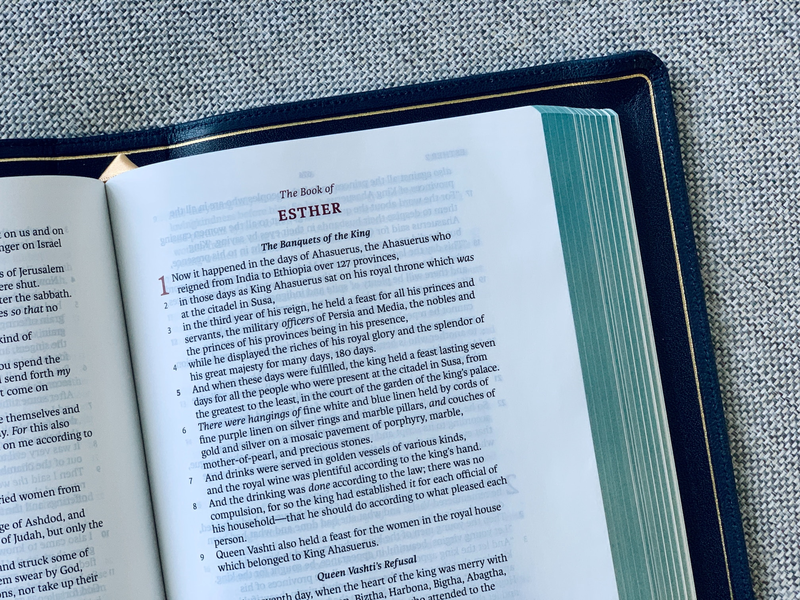
Esther

Esther: Historical & Chronological Comments (II)

C. The Battle of Gog and Magog (Ezekiel 38-39) (continued for previous issue) A final corroboration of this interpretive hypothesis comes from what we might call the "Amalek Pattern" in the Bible. Note in Genesis 12-15 that Abram moves into the land after escaping Pharaoh (ch. 12), settles down and…

by James B. JordanApril 28, 1996
image-20150409-15244-1r08rsu
Romans

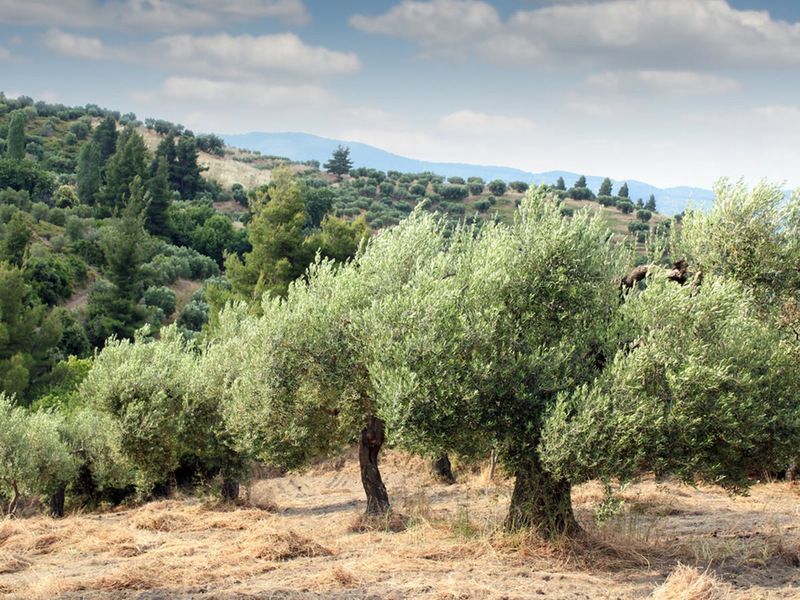
Christ in the Holy of Holies: The Meaning of the Mount of Olives

Speaking of the Church, Romans 11:16-17 says, "And if the root be holy, the branches are also. But if some of the branches were broken off, and you, being a wild olive were grafted in among them and became partaker with them of the root of the fatness of the…

by James B. JordanApril 28, 1996
aaron-burden-h8s0pf2rcqs-unsplash
Romans

Committed to the Form of Teaching

But thanks be to God that though you were slaves of sin, you became obedient from the heart to that form of teaching (tupos didaskales) to which you were committed, and having been freed from sin, you became slaves of righteousness (Romans 6:17-18). In his study of the use of…

by Peter LeithartApril 27, 1996
screenshot-2023-07-27-at-10-25-35-am
Biblical Horizons

Review: Biblical Theology, by John Owen

John Owen (1616-1683), Biblical Theology, or the Nature, Origin, Development, and Study of Theological Truth in Six Books, translated by Stephen P. Westcott (Pittsburgh: Soli Deo Gloria Publications, [1661] 1994), hardcover, 911 pages, $50.00. Here for the first time in English is one of Owen’s most important Latin works, along…

by James B. JordanMarch 28, 1996

Showing page 266 of 309

See all

Showing page 10 of 43

See all
Literature

Dickens and Modernity: Background

This is the opening portion of a lecture on Dickens’s Hard Times, but I want to examine Dickens not only as an artist but in relation to his fictional depiction of what we think of as “modernity.” Modernity is in part a set of ideas and aspirations, a set of…

January 16, 2007
Literature

Dickens and the French Revolution: Background

A Tale of Two Cities was published in 1859, the 70th anniversary of the beginning of the original revolution, usually dated to the fall of the Bastille on July 14, 1789. This stood to Dickens’s time approximately as WW II does for us. My parents, and your grandparents, remember WW…

January 15, 2007

Sermon Notes, Third Sunday After Epiphany

INTRODUCTION God is unseen, John says (v. 12). How then can the world know Him? John places the burden of showing God on us: The world knows the God who is love through the love we have for one another. THE TEXT “No one has seen God at any time.…

January 15, 2007

Eucharistic meditation, Second Sunday after Epiphany

1 John 4:9: By this the love of God is manifested in us, that God has sent His only begotten Son into the world so that we might live through Him. In this is love, not that we loved God, but that He loved us and sent His Son to…

January 14, 2007

Exhortation, Second Sunday After Epiphany

Love is blind, we like to say. John says the opposite. John teaches that we need to test and discern and judge the spirits and prophets. Discernment means keeping your eyes open. Discernment means not believing everything that you hear, not jumping on every bandwagon that passes through town, not…

January 14, 2007
History

Ex cathedra

When Frederick the Elector of Saxony protected Luther from church and imperial authorities, it was not as a personal friend but to protect the rights of the university faculty to exercise censorship in religious matters. The Reformation thus planted the seeds for the exaltation of the university Professor in German…

January 13, 2007

Showing page 1735 of 2212

Browse by Category

In Medias Res

Your weekly digest for all things Theopolis.

Donate

Theopolis is nearly 100% donor-supported. Consider joining us on our mission.