Theopolis Logo

Writing

Explore our collection of theological essays, biblical studies, and reflections on faith and culture.

See all
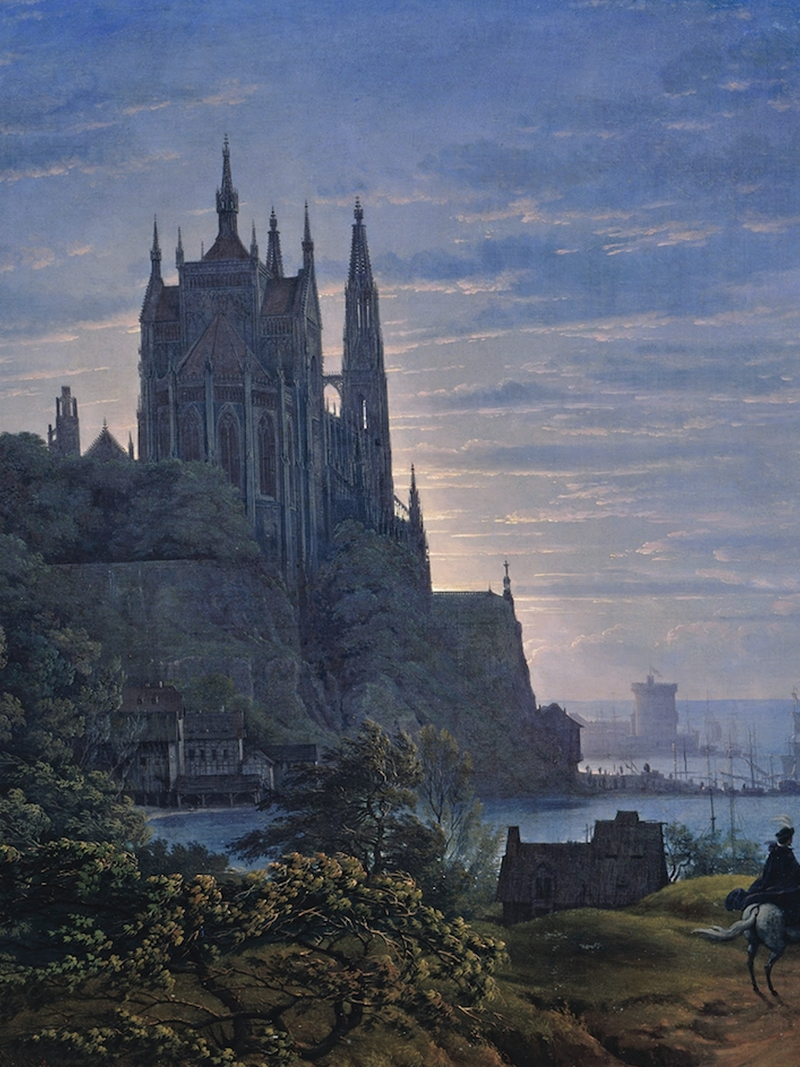
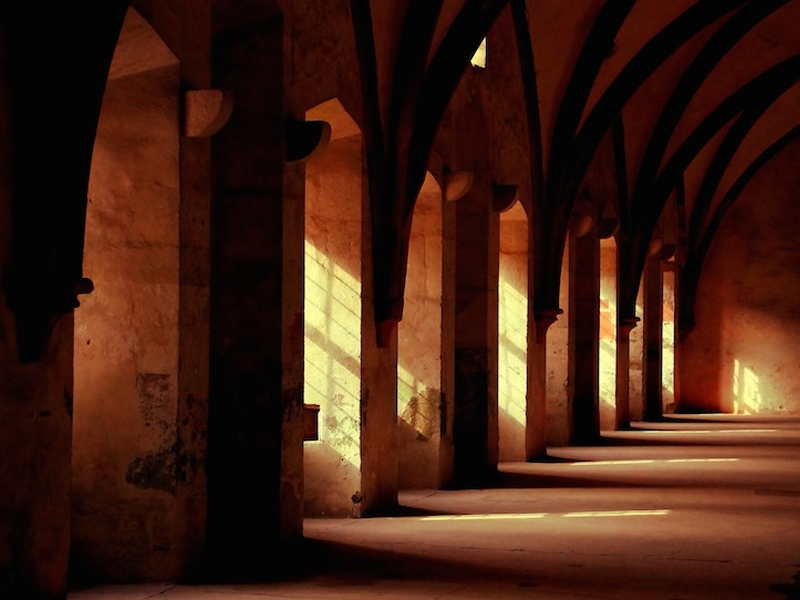
cloister
Democracy

The Babylonian Unity of the Church

There are many legitimate reasons to lament the divided state of the church. Fleshly pride, theological hubris, sectarian rivalries are each in their own ways modern versions of the Galatian heresy, refusing table fellowship with brothers and sisters for whom Christ died. And denominations have frequently played the same role…

by Toby SumpterJune 23, 2015
img_0166
Theopolis News

Bogumil Jarmulak

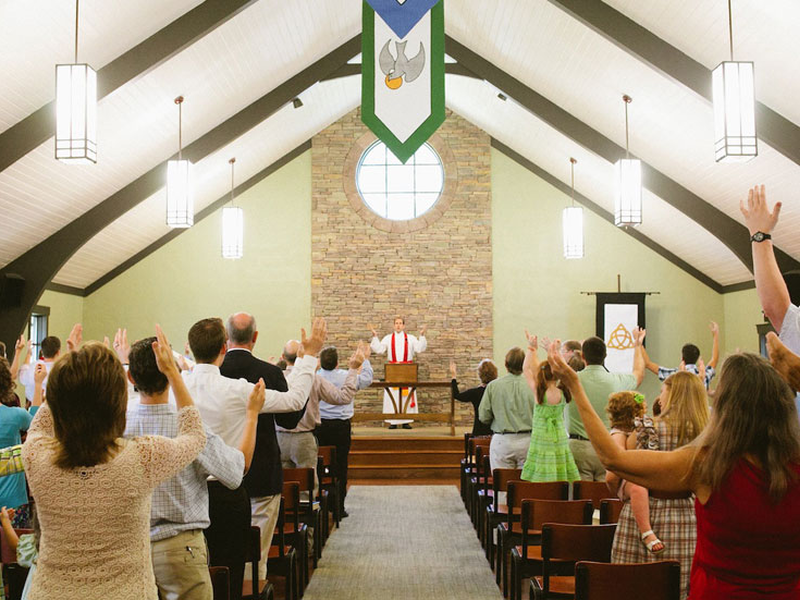
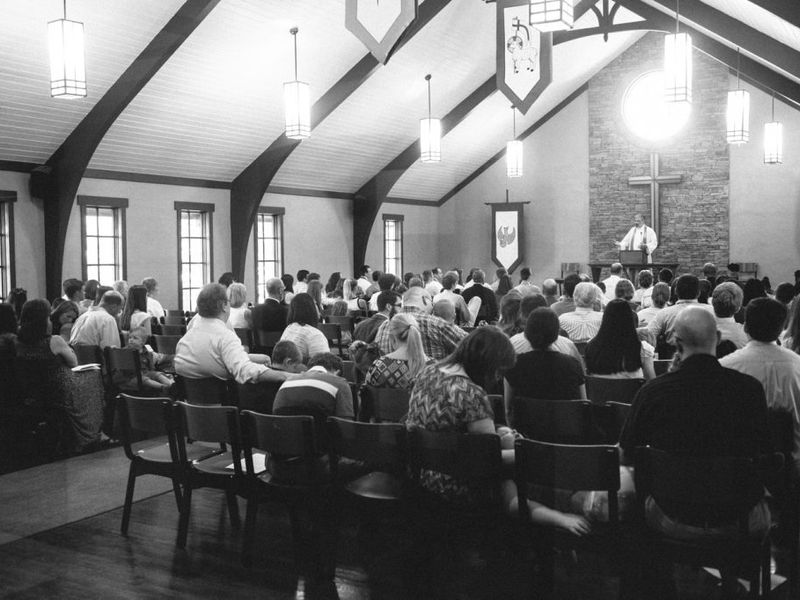
Though Bogumil Jarmulak was not able to deliver his lectures on Jurgen Moltmann due to flight delays, he preached at Trinity Presbyterian Church on Sunday morning, June 14. He encouraged the church in how to deal with misery in this life, and pointed them to their only hope in life…

by Brian MoatsJune 18, 2015
img_6328
History

Christians, Liturgy, and the Past, 2

Connecting with the past within the present is a complicated endeavor. One of the most immediate challenges facing us is that of ensuring that, as Christians, our use of the past is undertaken in service of present faithfulness. The past is not a realm to which we retreat, but a…

by Alastair RobertsJune 18, 2015
img_6538-2
Theopolis News

Letter From Peter Leithart

Dear friend of Theopolis, Before he attended the Theopolis course on Holistic Mission during Easter term, 2014, Jonathan Sedlak lived with his family in the quiet, comfortable Milwau­kee suburb of Slinger, Wisconsin. An intensive week in Birmingham changed all that. Listening to missionary Wes Baker and hashing over readings and…

by TheopolisJune 16, 2015
bauhaus
Architecture

The Crystalline Vision: Bauhaus and the Bible

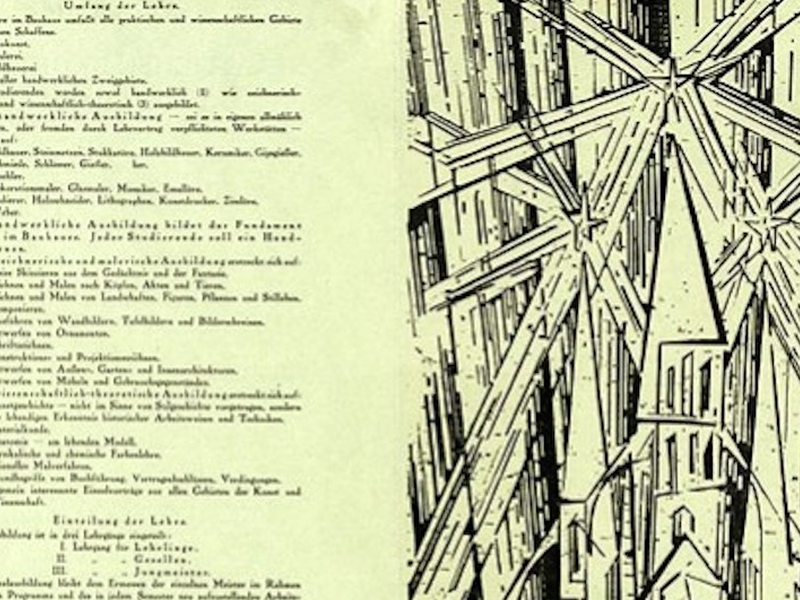
“What is in the nature of these materials?” The Bauhaus, founded in Germany in 1919 by architect Walter Gropius, had a profound influence in every area of design, from graphics and typography to clothing, furniture and architecture. The institution was not so much a style as a method, its philosophy…

by Mike BullJune 11, 2015
samuel-branch-zpvisr0s_hq-unsplash
Books

The American Way of Being Church

​Russell Richey's ​Denominationalism collects some of the most important essays on its titled topic. The authors are a who's-who of 20th century American religious history: Winthrop Hudson, Timothy L. Smith, Sidney Mead, Richey himself, H. Richard Niebuhr and Martin Marty. Some are broad synthetic studies; others are more granular studies…

by Peter LeithartJune 10, 2015

Showing page 151 of 309

See all

Showing page 10 of 43

See all
Theology

Grace and nature

According to Fergus Kerr, it was Bonaventure, not Thomas, who first employed the axiom “grace does not destroy nature, but perfects it,” in his commentary on Peter Lombard’s Sentences.

March 31, 2006
Politics

Neutral public space

Markus wants to distinguish between the fact that people who act in the public realm always act with ultimate ends in view, and that their actions are either moral or immoral from the notion that there is a neutral public space. The public sphere, he claims, shouldn’t be thought of…

March 30, 2006
History

Constantinianism and Protest

RA Markus (Christianity and the Secular) argues that as the church celebrated the triumph of Christianity in the fourth century, they also wanted to maintain their continuity with the church that gave them birth - the persecuted church of the martyrs: “The great need felt by Christians of the post-Constantinian…

March 30, 2006
Politics

Two Modes of Secularism

Charles Taylor has suggested that secularism was an “exit strategy” from religious conflict. There were two exit strategies. In the summary by RA Markus, “The first, ‘the common ground strategy,’ assumes a certain range of beliefs shared by all Christians (or all theists) and minimises or eliminates confessional differences that…

March 30, 2006
Politics

Locke on religion

John Locke drew up the basic contours of the modern conception of religion as internal and private in his “Letter Concerning Toleration.” He made a sharp distinction between religious and civil realms: “The end of a religious society, as has already been said, is the public worship of God, and,…

March 30, 2006
Theology

Aquinas on Gratitude

Comments primarily on Aquinas on Gratitude/Ingratitude (primarily ST, II-II, qs 106-7). Aquinas describes gratitude as a virtue “annexed” to justice, and so to understand his discussion of gratitude, we must get some handle on what he means by justice. In ST II-II, q. 58, he describes justice as a virtue.…

March 30, 2006

Showing page 1864 of 2212

Browse by Category

In Medias Res

Your weekly digest for all things Theopolis.

Donate

Theopolis is nearly 100% donor-supported. Consider joining us on our mission.