Theopolis Logo

Writing

Explore our collection of theological essays, biblical studies, and reflections on faith and culture.

See all
little-girl
Children

Honor God With Your Body

I am making a new rule in our house! We are actually kind of skimpy on the house rules. I try very hard to keep things simple: love God, love others, be joyful. It’s not complicated to avoid discipline here. But I have found myself repeating this new rule over…

by Lindsey TollefsonApril 9, 2015
giotto-noli-me-3
John

The Gardener and the Beloved, (Part 3)

Click HERE for Part 2 The voice of Jesus transforms and changes Mary when she hears him speak her name. This is her last “turning.” So also the woman in the Song of Songs longs to hear the voice of her beloved. Let me see your face, let me hear…

by Jeff MeyersApril 6, 2015
giotto-noli-me-2
John

The Gardener and the Beloved, (Part 2)

Click HERE for Part 1. The details of this story call the attentive reader back to the drama of Solomon’s Song of Songs. And the Song of Song’s alludes to, ties us into the story of Adam and Eve in the Garden and the promise of a coming Messiah that…

by Jeff MeyersApril 4, 2015
easter-term-2015-2
Theopolis News

Easter Term, 2015

“The course was a paradigm shift for me,” said Jonathan Sedlak, a Milwaukee electrical contractor who attended Theopolis’s course on Revelation. “I am left with a book that is far more practical than it has ever seemed before.” Jonathan Anderson of Louisville, Kentucky found the course “refreshing.” “I finished with…

by TheopolisApril 2, 2015
psalm-singing
Genesis

Worship as Response: Liturgical Logic, (Part 1)

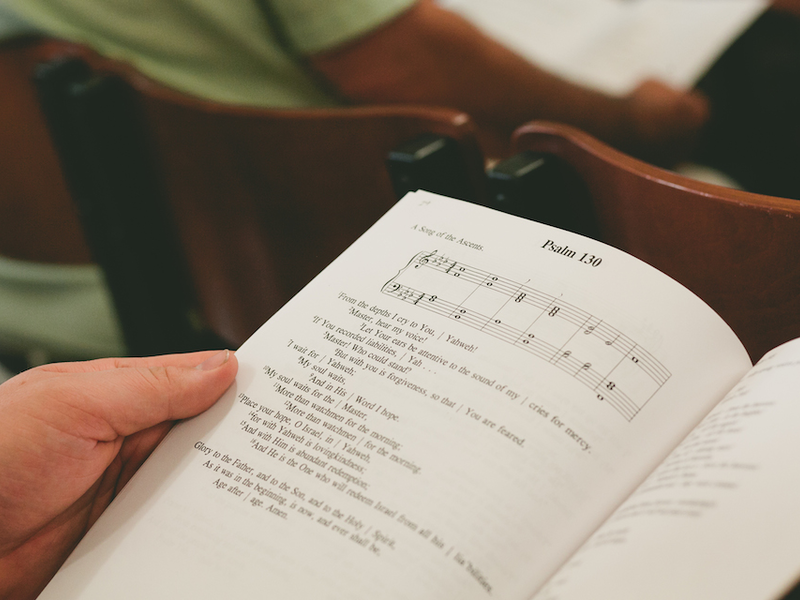
“It is only by participation in a rational, practice-based community that one becomes rational.” – Alasdair MacIntyre It may be perfectly clear to a chef why adding unsifted powdered sugar to a hot frosting is a bad idea. But for an amateur cook, this may be the kind of rule…

by Jonathan BarlowApril 2, 2015
giotto-noli-me
John

The Gardener and the Beloved, (Part 1)

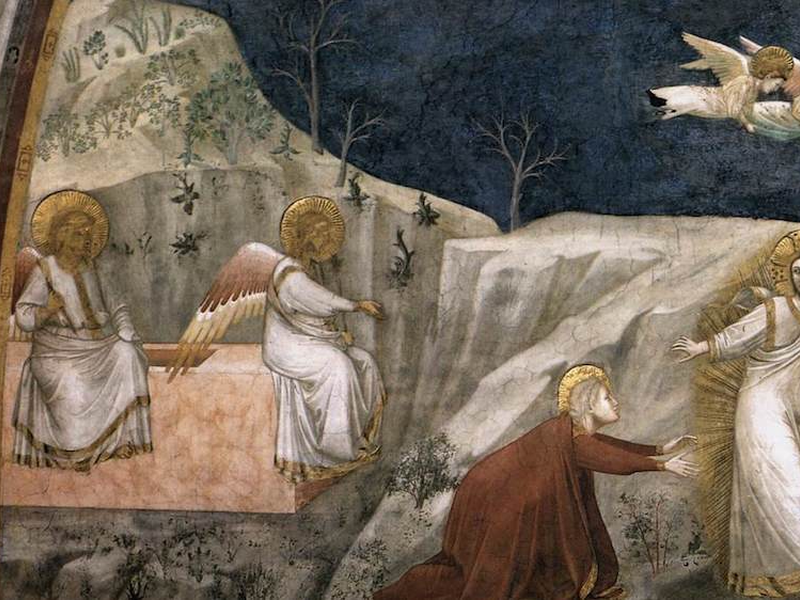
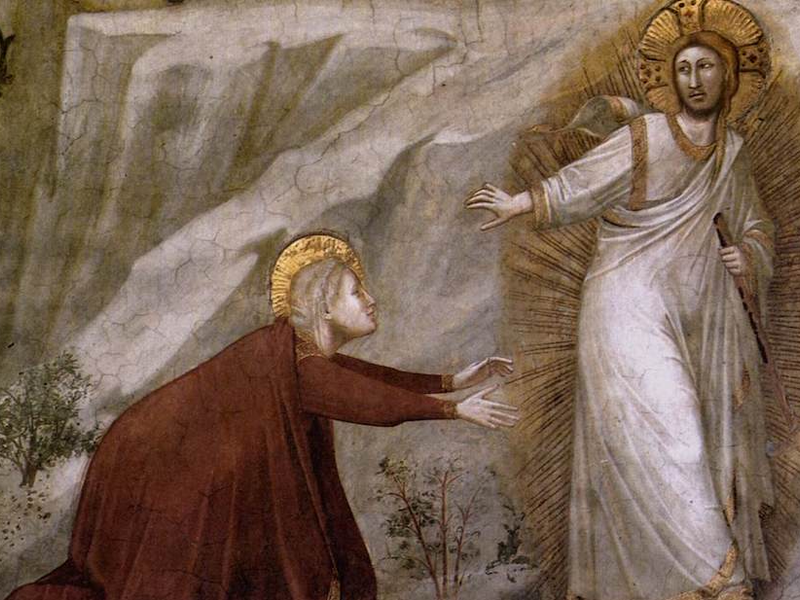
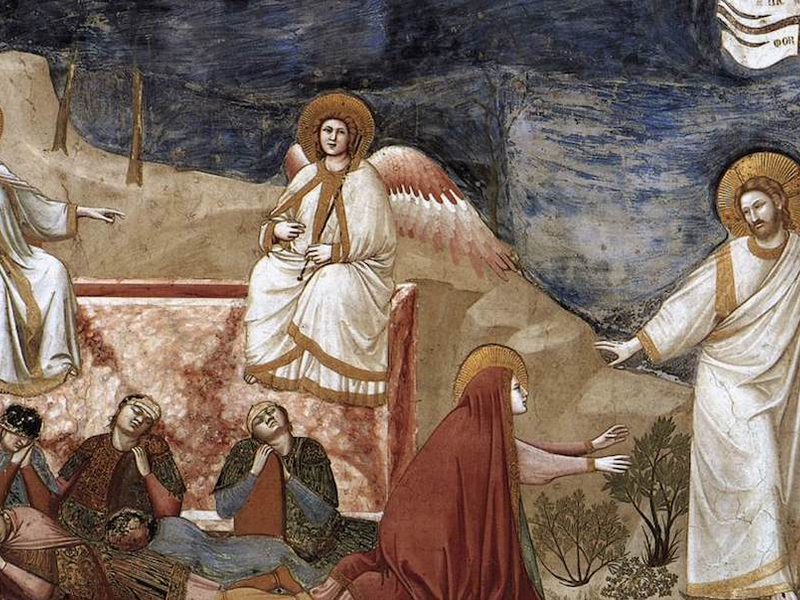
On a fresco in a chapel in Padua, Italy, there is a famous painting depicting the dramatic post-resurrection scene in John 20 with Mary and Jesus outside of the garden tomb. Giotto di Bondone painted it in the early 14th century. Jesus is striding from the tomb with a victor’s…

by Jeff MeyersApril 1, 2015

Showing page 156 of 309

See all

Showing page 10 of 43

See all

Simon, Son of John

A fter sharing a breakfast of fish at the shore of Tiberius with his disciples, Jesus speaks directly to Peter (John 21). Peter had denied Jesus three times; now Jesus confirms his love three times. Peter denied Jesus at a charcoal fire in the high priest's court; now he's restored…

May 30, 2016

Choosing Apocalyptics

I n the closing chapter of Heaven on Earth , Richard Landes considers the import of the two major apocalyptic threats of the early twenty-first century—anthropogenic global warming (AGW) and global jihad warming (GJW). Both seem to portend TEOTWAWKI, the end of the world as we know it. What we…

May 27, 2016

DysUtopian Literature

I n his study of The Dystopian Impulse in Modern Literature , Keith Booker observes that “much of the history of recent utopian thought can be read as a gradual shift from utopian to dystopian emphases, while utopian thought itself has come more and more to be seen as escapist…

May 27, 2016

God-Fearers

W e are apt to think of a deeply religious person as a ‘true believer,' writes Howard Wettstein in The Significance of Religious Experience . In the Hebrew Bible, though, “there is no expression . . . that corresponds to our term, ‘believer.' The phrase that comes closest is ‘…

May 27, 2016

Varieties of Apocalypse

R ichard Landes's Heaven on Earth is a study of millennial apocalyptic movements, that is, movements that share a belief in “ a millennial vision of the world transformed, and an apocalyptic belief in that transformation’s imminence ” (22). Though the movement he explores share a belief in the transformation…

May 26, 2016

Millennial Modernity

According to Richard Landes ( Heaven on Earth ), traditional societies are organized by a “prime divider,” a boundary between elites and commoners. He follows Ernest Gellner in called these “agro-literate” societies, since that phrase names two key technologies that mark the division. More generally, “Elites construct prime dividers along…

May 26, 2016

Showing page 285 of 2212

Browse by Category

In Medias Res

Your weekly digest for all things Theopolis.

Donate

Theopolis is nearly 100% donor-supported. Consider joining us on our mission.