Theopolis Logo

Writing

Explore our collection of theological essays, biblical studies, and reflections on faith and culture.

See all
cloister

Gatekeepers

1 Chronicles 9:1 seems to bring the genealogies of 1 Chronicles to an end. The Chronicler has recorded the genealogy of the human race from Adam, focusing on the descendants of Abraham through Jacob. Summing it all up, he says, “So all Israel was enrolled by genealogies; and behold, they…

by Peter LeithartJune 21, 2016
trinity-1-2
Trinity

Are the Divine Persons Persons?

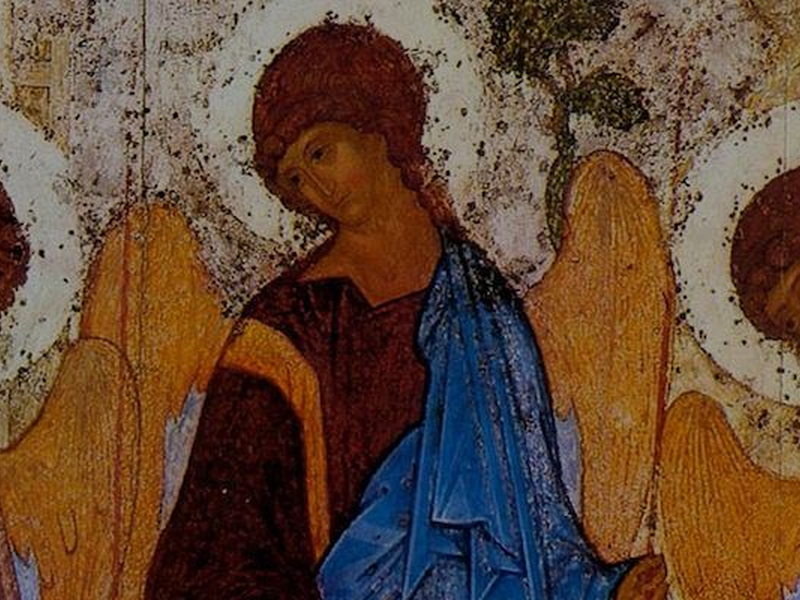
The “personalist” understanding of the Trinity, articulated most influentially in the work of John Zizioulas, has fallen on hard times. Recent scholars have attacked Zizioulas’s idea that Cappadocian Trinitarianism represented an ontological revolution, hammering on the distinction between divine and human personhood. Michel Barnes’s conclusion is the most drastic of…

by Peter LeithartJune 16, 2016
img_4660-2
Architecture

On Biblical Theology

Biblical Theology is often defined as the historical unfolding of God’s revelation, or of God’s revelation and of the history of his covenantal redemption and transformation of humanity and the world. In practice, Biblical Theology is usually broader than this, and also includes the study of literary structure and of…

by James B. JordanJune 14, 2016
laughing_statue_by_xxbobbiie-d5f0meh-2
Humor

Wise Laughter

We are made to be happy. Created to enter into the eternal joy of God, our whole being inclines to that end, but the fallen world has put forth barriers and by our own sin we bar ourselves from that endless delight, and death blinds us to that reality. Yet…

by Remy WilkinsJune 7, 2016
img_7664
Liturgy

Why Theopolis? Take Two

At the end of Revelation, John sees the heavenly city descending to earth. The city shines with the brilliance of God's glory, which lightens the nations, so that kings bring their glory to the city. This is not a vision of the final new heaven and new earth. It's a…

by Peter LeithartJune 2, 2016
trinity-1-2
Attributes of God

How Can We Talk About God?

“No one has ever seen God,” writes John (John 1:18). If this is the case, then how can we speak about God? Some people say we actually cannot. Or at least we cannot speak about God positively, i.e. who He is. We can only say who or what God is…

by Bogumil JarmulakMay 31, 2016

Showing page 130 of 309

See all

Showing page 10 of 43

See all

Love Stronger Than Death, 1

“Love is as strong as death, and jealousy as Sheol.” A fine sentiment, but what does it mean? Maybe it means that love is as inevitable as death. We’re all going to die; our last resting place in this creation is the grave. Perhaps Solomon says that love is inevitable…

October 26, 2015

Jesus, Joseph, and Nazirite Vows

In his contribution to Searching the Scriptures , Roger Aus examines Mark 14:25 (Jesus says, “I will never again drink the fruit of the vine until that day when I drink it new in the kingdom of God”). He takes its as a Nazirite vow to refrain from wine until…

October 26, 2015

Baptism and the New World

Stephen Turley ( The Ritualized Revelation of the Messianic Age ) doesn't think standard treatments of Paul's baptismal formula in Galatians 3 get the point. The standard options - ex opere operato and ex opere operantis - share the “common false assumption: they both place pistis and baptizein in a…

October 26, 2015

On Divine and Bestial Eternity

Early in Revelation, the Father is described as the one who “is and who was and who comes” (Revelation 1:4). 1:8 suggests that the Trinity might be described in the same way. The Trinity is not a God immune to time; the eternality of the Trinity is the eternality of…

October 23, 2015
Art

Ironies of Participation

Hal Foster's Bad New Days is an assessment of the past twenty-five years of European and American art. Foster organizes his treatment under five themes - Abject, Archival, Mimetic, Precarious, and Post-Critical? One will notice that “beauty” is absent. Today's avant garde makes Francis Bacon look tame. One of Foster's…

October 23, 2015

Quotidian Wonders

Psalm 136 is a dialogic Psalm in which the second line of each verse is the same: “For His lovingkindness is everlasting.” The God of lovingkindness is the God of gods and Lord of lords. He is the Creator of sun, moon, stars, sea, and sky. He delivered Israel from…

October 23, 2015

Showing page 359 of 2212

Browse by Category

In Medias Res

Your weekly digest for all things Theopolis.

Donate

Theopolis is nearly 100% donor-supported. Consider joining us on our mission.