Theopolis Logo

Writing

Explore our collection of theological essays, biblical studies, and reflections on faith and culture.

See all
hughes-auditorium-ryan-worthen-1024x576
American Culture

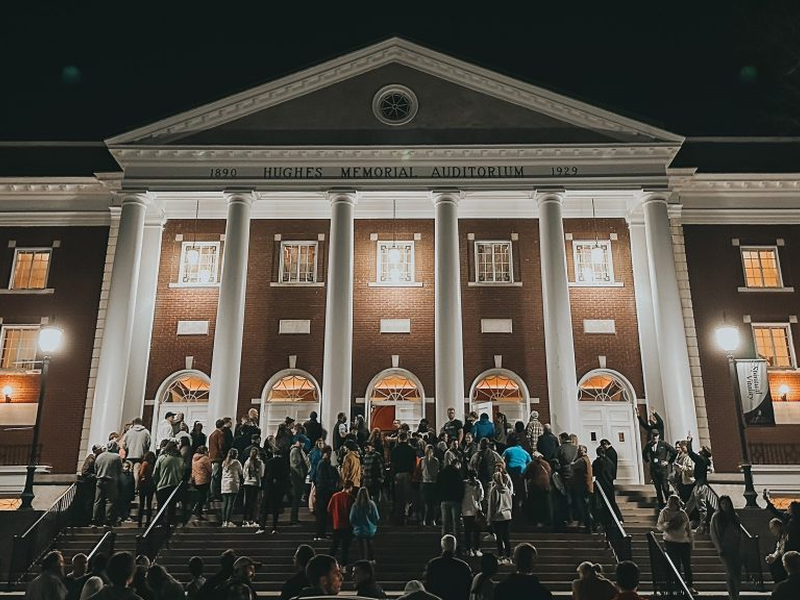
The Affections of Asbury

Over the past few days, quite the event has developed at Asbury University down in Wilmore, Kentucky. University students have appeared at the Hughes Auditorium to worship and sing praises to God, which has continued for over 90 hours at the time of this writing. There is recent reporting that…

by Charles JacobiFebruary 16, 2023
screen-shot-2023-02-14-at-1-15-58-pm
Apostle Paul

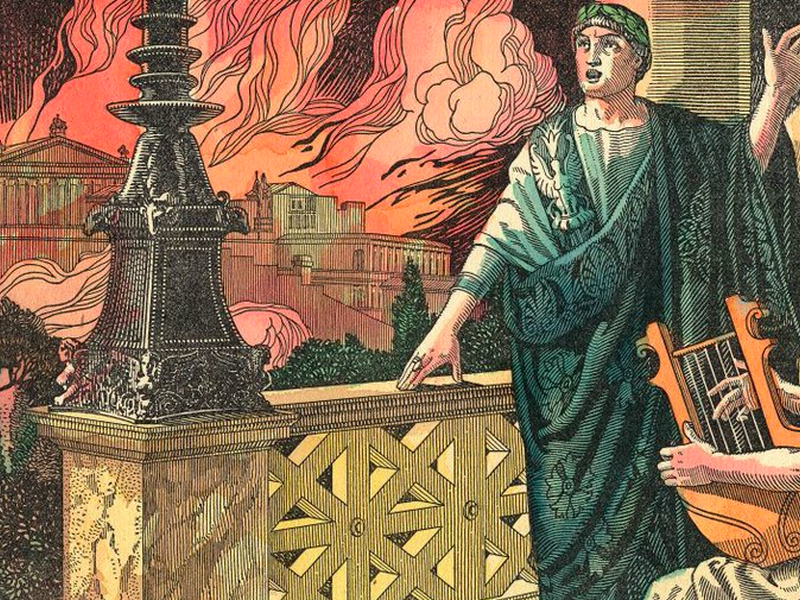
Paul and Nero

It is well-enough known that Nero was emperor from AD 54 when he was just 16 until his death as a young man of 30 in AD 68, just 14 years later. Paul ministered during most of those 14 years (we are not sure which year he died), accomplishing 3…

by Ralph Allan SmithFebruary 14, 2023
alexander-andrews-c91ls-jk7cw-unsplash
Apostle Paul

For Me to Live is Christ!

When the apostle Paul says, “For me to live is Christ!” (Philippians 1:21), we do not find it difficult to understand. Paul had been a faithful servant of Christ from the time that Christ confronted him on the road to Damascus (AD 30) and through Ananias told Paul that he…

by Ralph Allan SmithFebruary 9, 2023
vino-li-j4jjsfjkhpi-unsplash
Song of Songs

Bridal Song

I think there’s a layer to the Song of Songs which has been largely unexamined. The Song is about Christ and his church, Yahweh and Israel, the nature of the marriage covenant, and the marriage of the couple in the Song. But while the Song is “of Solomon” (or to…

by Daniel StanleyFebruary 8, 2023
screen-shot-2023-02-02-at-10-10-22-am
Biblical Studies

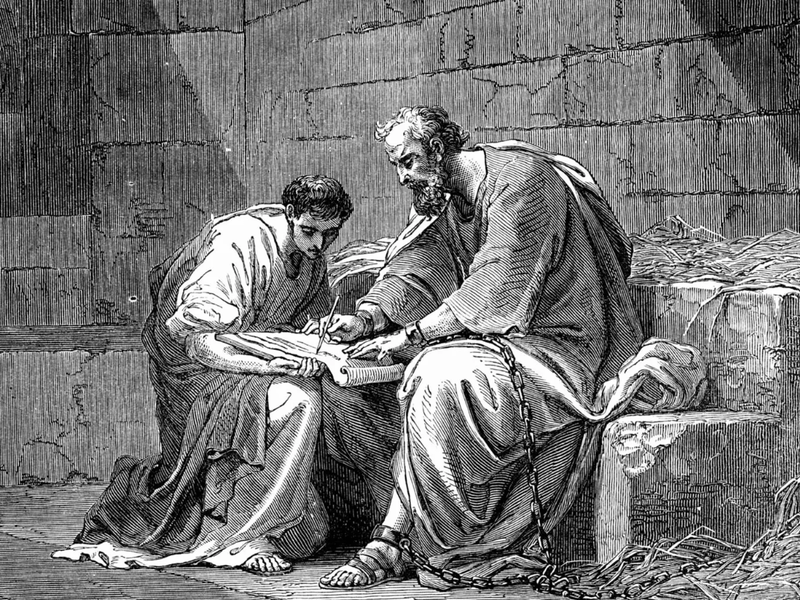
Paul and the Praetorian Guard

In Philippians 1:12-13, Paul informs his beloved brothers in Philippi that his Roman imprisonment — which one would naturally think hindered his ministry and the preaching of the Gospel — actually resulted in the surprising and wonderful progress of the Gospel. Of course, from our perspective 2000 years later and…

by Ralph Allan SmithFebruary 2, 2023
frank-mckenna-cseckew4tm0-unsplash
Biblical Theology

Abraham’s Seed: Heavens, Earth, and Sea Made New

In a recent post , I explored the threefold order of creation—heavens, earth, and sea—and suggested that in Genesis 1 God stamps heaven’s order, his own threefold nature, on the creation, giving earth a trinitarian shape. So what happens to the three-level architecture of creation after Genesis 1? We don’t…

by Josh JensenFebruary 1, 2023

Showing page 34 of 309

See all

Showing page 10 of 43

See all

Cities Ascending and Descending

The Bible ends with a vision of the descent of a jeweled bridal city Jerusalem descending from heaven. Before the city descends, though. a city ascends: Babylon is destroyed and her smoke rises forever and ever. God's city descends only after the city of man is sent up to God…

August 14, 2015

Anti-Labor, Anti-Catholic

David Sehat argues ( The Myth of American Religious Freedom ) that the American moral establishment was undermined by the labor movement: “By the last quarter of the nineteenth century the corporation had joined the family, the church, and the school as an institution perpetuating Christian moral authority” (189). This…

August 13, 2015

Myth and the Fragmentation of Humanity

Paganism, writes Eugen Rosenstock-Huessy ( Christian Future ), “is best understood . . . as primitive man's response to the fear of death.” That means not only personal death but also the death of those groups to which he is bound—family, race, country. The problem is that “all finite forms…

August 13, 2015

The End For Which God Made Us

“The patristic concept of theosis is the most precise and compendious possible evocation of the end for which God creates us,” writes Robert Jenson in a characteristically dense essay in The Catholicity of the Reformation . It doesn't imply that the Creator-creature distinction is somehow erased; that difference is “indeed…

August 13, 2015

What Cantwell Achieved

David Sehat ( The Myth of American Religious Freedom , 222-3) observes that Cantwell v. Connecticut (1940) was the first Supreme Court decision to incorporate the religion clause of the First Amendment to the States. In the case, Jehovah's Witnesses were denied a license to proselytize. The Court struck down…

August 12, 2015

Creating Genocide

Emmanuel Katongole ( A Future for Africa , 98-101) argues, as others have, that the racial division behind the Rwandan genocide was forged during Western colonization. “Before the colonial occupation of Rwanda,” he writes, “the Hutu and Tutsi were not ‘clearly distinct and rigidly separated ethnic groups.'” The distinction existed,…

August 12, 2015

Showing page 390 of 2212

Browse by Category

In Medias Res

Your weekly digest for all things Theopolis.

Donate

Theopolis is nearly 100% donor-supported. Consider joining us on our mission.