Theopolis Logo

Writing

Explore our collection of theological essays, biblical studies, and reflections on faith and culture.

See all
cloister

Gatekeepers

1 Chronicles 9:1 seems to bring the genealogies of 1 Chronicles to an end. The Chronicler has recorded the genealogy of the human race from Adam, focusing on the descendants of Abraham through Jacob. Summing it all up, he says, “So all Israel was enrolled by genealogies; and behold, they…

by Peter LeithartJune 21, 2016
trinity-1-2
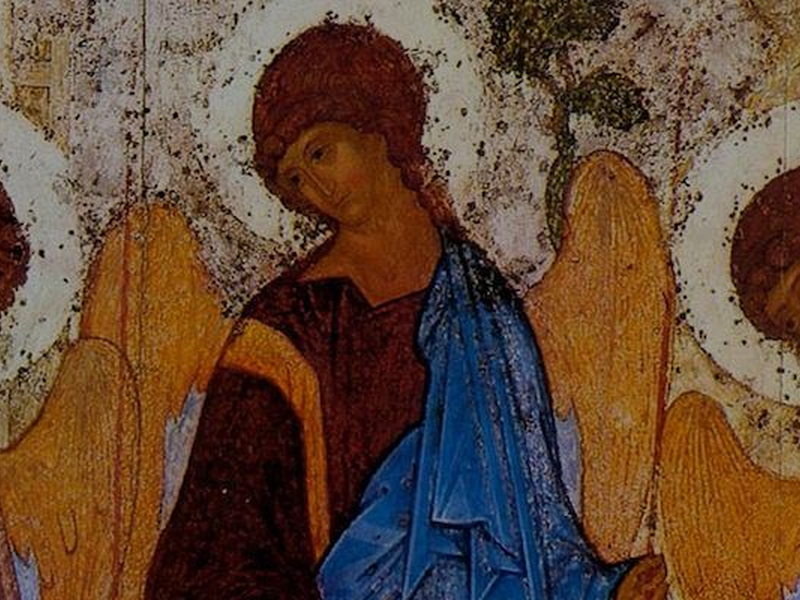
Trinity

Are the Divine Persons Persons?

The “personalist” understanding of the Trinity, articulated most influentially in the work of John Zizioulas, has fallen on hard times. Recent scholars have attacked Zizioulas’s idea that Cappadocian Trinitarianism represented an ontological revolution, hammering on the distinction between divine and human personhood. Michel Barnes’s conclusion is the most drastic of…

by Peter LeithartJune 16, 2016
img_4660-2
Architecture

On Biblical Theology

Biblical Theology is often defined as the historical unfolding of God’s revelation, or of God’s revelation and of the history of his covenantal redemption and transformation of humanity and the world. In practice, Biblical Theology is usually broader than this, and also includes the study of literary structure and of…

by James B. JordanJune 14, 2016
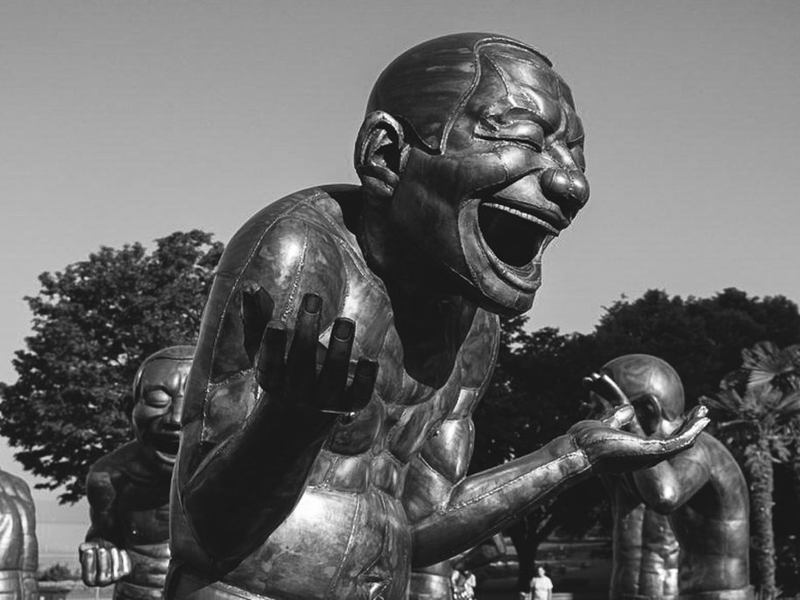
laughing_statue_by_xxbobbiie-d5f0meh-2
Humor

Wise Laughter

We are made to be happy. Created to enter into the eternal joy of God, our whole being inclines to that end, but the fallen world has put forth barriers and by our own sin we bar ourselves from that endless delight, and death blinds us to that reality. Yet…

by Remy WilkinsJune 7, 2016
img_7664
Liturgy

Why Theopolis? Take Two

At the end of Revelation, John sees the heavenly city descending to earth. The city shines with the brilliance of God's glory, which lightens the nations, so that kings bring their glory to the city. This is not a vision of the final new heaven and new earth. It's a…

by Peter LeithartJune 2, 2016
trinity-1-2
Attributes of God

How Can We Talk About God?

“No one has ever seen God,” writes John (John 1:18). If this is the case, then how can we speak about God? Some people say we actually cannot. Or at least we cannot speak about God positively, i.e. who He is. We can only say who or what God is…

by Bogumil JarmulakMay 31, 2016

Showing page 130 of 309

See all

Showing page 10 of 43

See all

Primal Wound

During the night before Jacob returns from his sojourn with Laban in Haran, a man confronts him and they wrestle (Genesis 32). Jacob refuses to let the man go and the man touches him in the yerekh - usually translated as “socket of his thigh.” He returns to the land,…

June 25, 2015
American Religion

Techno-Ecumenism

Robert Wuthnow points out ( Boundless Faith , 115-6) that improvements in technology enabled leaders to transcend denominational boundaries: “Communication and travel increased the opportunities to organize transnational ministries in new ways, just as philanthropy and fund-raising techniques did. The earlier denominational boards depended on corresponding secretaries to stay in…

June 25, 2015

Confederate Civil Religion

I n an essay in Judgment & Grace in Dixie , Charles Wilson Reagan traces the evolution of Southern civil religion from 1920 to 1980. He argues that over the decades the civil religion of the lost cause “evolved from a public faith celebrating the virtues of a religiously sanctioned…

June 25, 2015

Sacrificing Babylon

The ten horns join with the beast in slaughtering the harlot city Babylon. It's a macabre scene, marked by five relentless verbs - hate, desolate, make naked, eat, burn - and by a bizarre sequence of actions. It's a sacrificial sequence. An ascension offering (Leviticus 1) was prepared for offering…

June 24, 2015
Denominationalism

Denomination—Creed, Organization, Culture

N ancy Ammerman's contribution to Denominationalism is outstanding. She asks what we're studying when we study denominations, and she comes up with three answers: A group of Christian communities defined by a common set of beliefs and practices; an organization; and a cultural profile (evident, for instance, in Episcopalian jokes).…

June 24, 2015
Denominationalism

Fundamentalism and Modernism

Nancy Ammerman briefly examines the “shifting terrain” at the close of her essay in Denominationalism . Choice seems to have taken over the religious landscape, displacing ethnic associations, family and upbringing. Many change denominations during their lifetimes; fewer think it important to marry within their denominations. Congregations function independently of…

June 24, 2015

Showing page 407 of 2212

Browse by Category

In Medias Res

Your weekly digest for all things Theopolis.

Donate

Theopolis is nearly 100% donor-supported. Consider joining us on our mission.