Theopolis Logo

Writing

Explore our collection of theological essays, biblical studies, and reflections on faith and culture.

See all
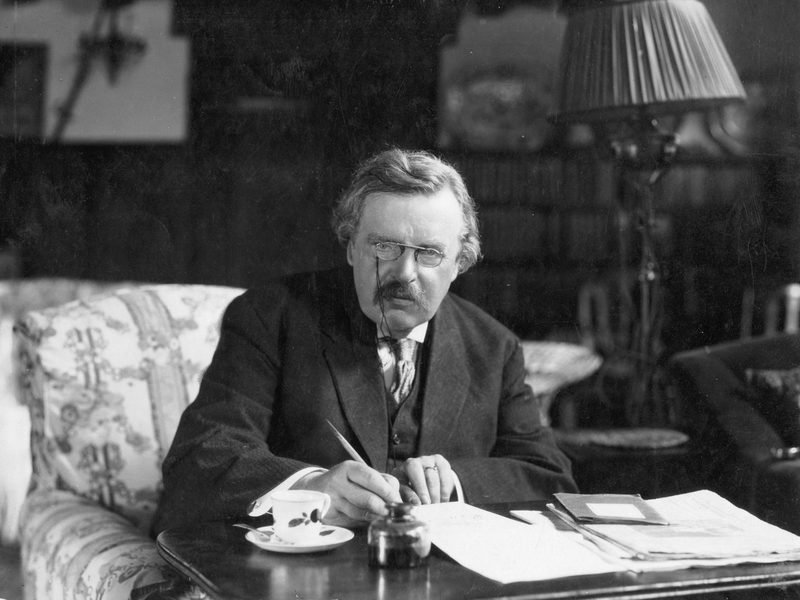
g-_k-_chesterton_at_work
Books

Interpreting "The Man Who Was Thursday"

I just finished re-reading G. K. Chesterton’s The Man Who Was Thursday . I have in the past had the temerity to say that I believe it to be the best novel of the 20th century. Be that as it may, I still maintain that it is at least one…

by Richard BledsoeJanuary 7, 2022
10779-istockgetty-images-plusredletterw
Hebrews

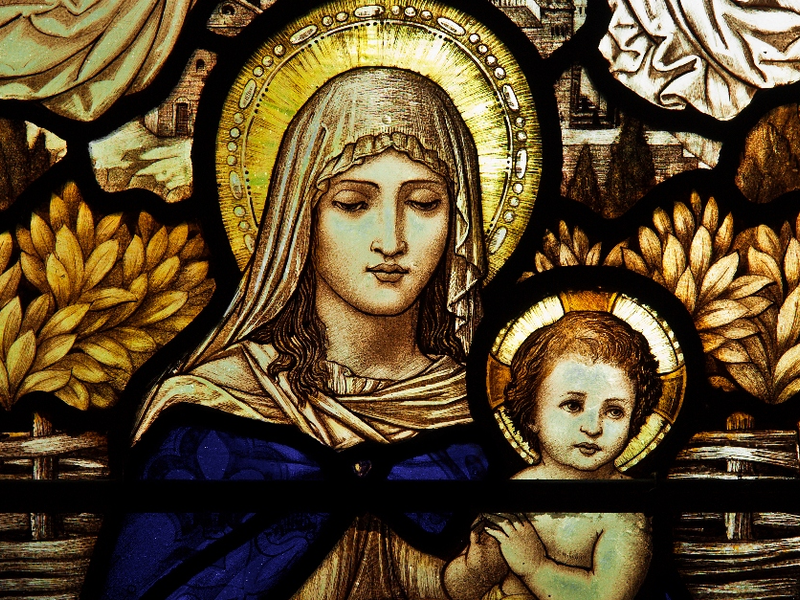
The Universality of Mary’s Wound

And Simeon blessed them and said to Mary his mother, “Behold, this child is set for the fall and rising of many in Israel, and for a sign that is spoken against and a sword will pierce through your own soul also, that thoughts out of many hearts may be…

by Garrett SoucyJanuary 4, 2022
heartierhymnals-stockimage
Music

An Argument for Heartier Hymnals

I was inspired to write this article after reading John Ahern’s The Case for Shorter Hymnals first published on Theopolis Institute’s website on November 16, 2021. Mr. Ahern and I are writing with different audiences and emphases in mind. I am thankful we both share a mutual desire to see…

by Jarrod RicheyDecember 30, 2021
tim-marshall-k2u71wv2ei4-unsplash-1
Biblical Studies

Image of God

If you’ve spent any time in the social-media galaxy of Christian cultural commentators, you have almost definitely run across the Latin phrase Imago Dei . It means image of God . Why they usually say it in Latin, I couldn’t tell you. We saw it in the wake of the…

by Daniel HoffmanDecember 28, 2021
annunciation
Advent

He Comes to Make His Blessings Known: "Son of David" and "Son of Abraham" in Matthew 1:1

The Gospel of Matthew—indeed, the New Testament—begins with a list of names, and that list of names is introduced by this heading: “The book of the generations of Jesus Christ, the son of David, the son of Abraham.” Why start like this? Why “the son of David” and “the son…

by Josh JensenDecember 23, 2021
49980-nicolas_poussin_-_the_judgment_of_solomon_-_wga18330-800w-tn
Biblical Studies

On Not Needing to Cut the Baby in Half

A blade is raised. A child wails. But the brow under the crown is untroubled. Solomon knows that the raising of the sword will reveal the true parent and the identity of the son. But how did he know this? Abraham’s willingness to sacrifice Isaac certainly bears some of the…

by Jonathan WhiteDecember 21, 2021

Showing page 48 of 309

See all

Showing page 11 of 43

See all
History

Tensions of Modernity

Whitney (the book is Francis Bacon and Modernity , Yale, 1986) offers some additional meditations on the meaning of “modern” particularly as it relates to Bacon. He defines modernity in terms of the tension between innovation and tradition, the frustration that arises from the revolutionary’s effort to start afresh and…

August 29, 2006
History

Revolutionary Reform

Whitney on Bacon again: “Reform invites analogy and multiple levels of meaning as it variously connects old and new; it exposes the poverty of brute facts by, for one thing, fixing knowledge in a hierarchy of literary kinds or genres. Reformative visions in history grow in part out of biblical…

August 29, 2006
History

Bacon the Prophet

In his defense of the legitimacy of the modern age, Hans Blumenberg attempts to pry apart the legitimate kernel ideas of modernity from the illegitimate, mostly medieval and superstitious, husks by which the kernel ideas were often expressed. Whether this works for any early modern thinker, it does not work,…

August 29, 2006
History

Honor in Therapeutic culture

Bowman examines a scene from The Sopranos where John “Johnny Sack” Sacramoni seeks permission, from Tony Soprano among others to “clip” Ralph Cifaretto for jokingly insulting his wife’s weight, which has done damage to her “body image, self esteem.” None of his superiors will bite, and Bowman notes that the…

August 28, 2006
History

Honor and the Right

There’s a scene in Malory where Launcelot has been caught in Guenevere’s bedroom by his enemies, Aggravayne and Mordred, and in the ensuing altercation Launcelot kills 14 knights, all but Mordred, who is wounded. Summoned to appear before Arthur, Launcelot still protests his innocence: “Those who told you such tales…

August 28, 2006
Philosophy

Virtue and Violence

Mandeville made explicit the connection between violence and ancient virtue that Milbank and others have commented on: “The Word Moral, without Doubt, comes from Mos, and signifies every Thing that relates to Manners: The Word Ethick is synonimous with Moral, and is derived from [Greek: ithik], which is exactly the…

August 28, 2006

Showing page 1802 of 2212

Browse by Category

In Medias Res

Your weekly digest for all things Theopolis.

Donate

Theopolis is nearly 100% donor-supported. Consider joining us on our mission.