Theopolis Logo

Writing

Explore our collection of theological essays, biblical studies, and reflections on faith and culture.

See all
isaiah-commission
Isaiah

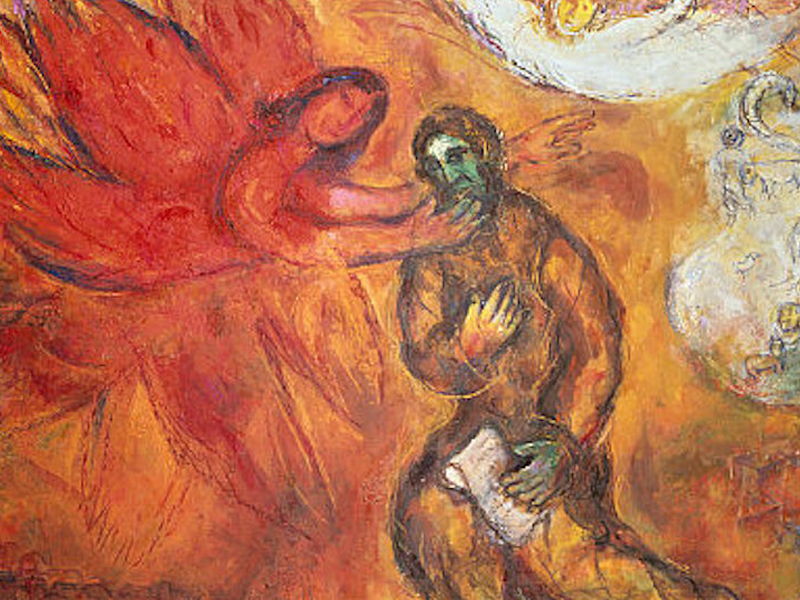
To An Unclean People

The book of Isaiah has a very brief introduction, one verse, and then plunges into a searing indictment of the people of Judah and Jerusalem. They are sons who do not honor their father, worse than donkeys and oxen who at least know their master. They are a bruised and…

by Peter LeithartSeptember 1, 2015

sixteen-miles-out-al48tflf4e8-unsplash
Biblical Studies

Apologia on Reading the Bible, (Part 3)

This is the third of a three-part essay. The Literary Reader As a conclusion to this essay, I want to make some observations that grow out of C. S. Lewis’s remarkable Experiment in Criticism , mentioned in an earlier installment. What Lewis is interested in doing is coming up with…

by James B. JordanAugust 27, 2015
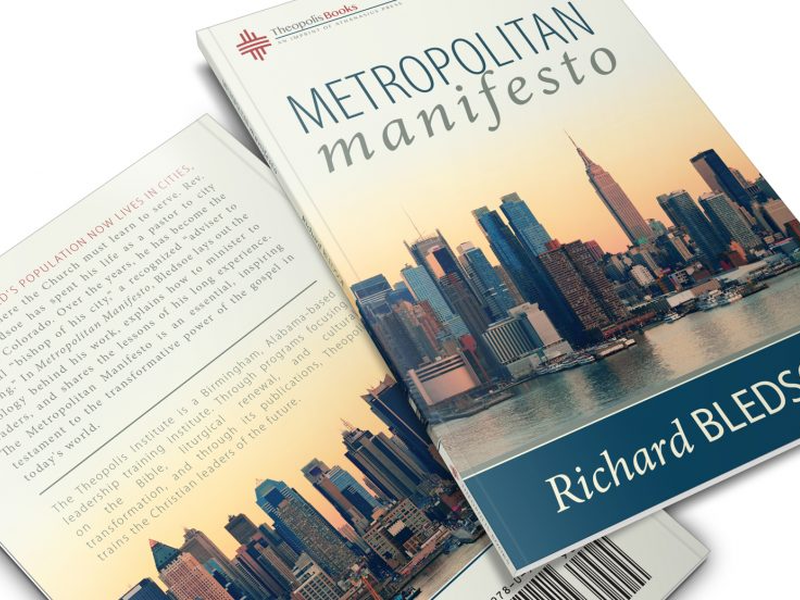
metropolitanmanifesto-3dfrontback-promo-3
Theopolis News

Metropolitan Manifesto: Available Now!

Metropolitan Manifesto, the new work from Theopolis fellow Richard Bledsoe, and first "Theopolis Books" release, is out today! Head over to the Athanasius Press website to get a copy. Half the world's population now lives in cities, and that is where the Church must learn to serve. Rev. Richard Bledsoe…

by Brian MoatsAugust 25, 2015
medievalilluminatedmanuscript
Biblical Studies

Apologia on Reading the Bible, (Part 2)

This is the second portion of a three-part essay. Learning to Read Learning to read the Bible is easier said than done, of course. There are several reasons for this, and they all have to do with the art of reading. Reading is an art and not a science, and…

by James B. JordanAugust 25, 2015
img_1069
Theopolis News

Mission to the City

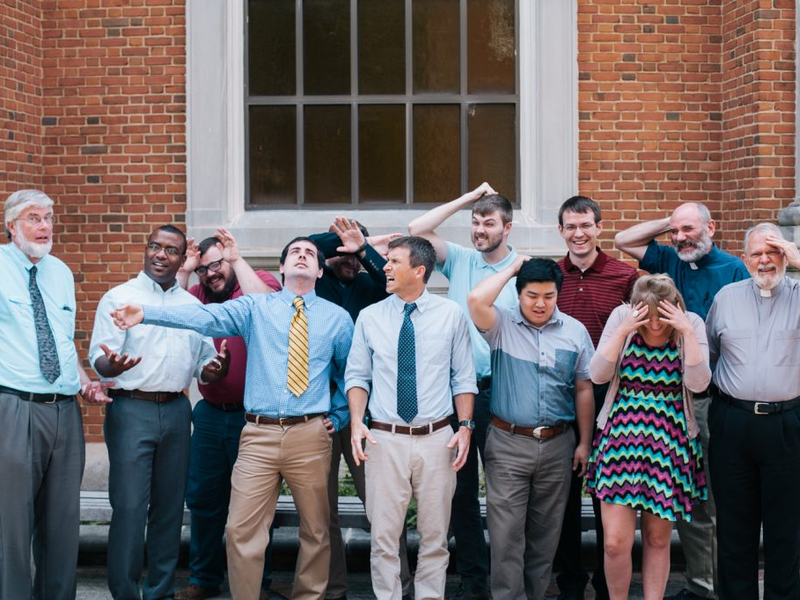
“It instilled a real and abiding change in the way I understand my life as a disciple of Jesus Christ,” said Clint Hail, a Community Development Coordinator out of Dallas who attended Theopolis’ course on Mission to the City . “The course renovated the way I understand the challenges facing,…

by Brian MoatsAugust 21, 2015
hebrew-manuscript
Hermeneutics

Apologia on Reading the Bible, (Part 1)

What does it mean to read the Bible as inspired literature? The method is not new nor is it uncommon in Dutch Reformed circles. Exegesis must be Christocentric, plenary (all the text serves a theological purpose), respect the context in God’s redemptive plan, and plumb the full literary depth of…

by James B. JordanAugust 20, 2015

Showing page 145 of 309

See all

Showing page 11 of 43

See all

Poesis in Renaissance

More evidence of “poesis” in Renaissance notions of human nature and “self-fashioning.” The first quotation is from Pico, and is drawn from Lewis’s English Literature in the Sixteenth Century : God’s words to Adam at creation were: “To thee, O Adam, we have given no certain habitation nor countenance of…

January 14, 2004

Greenblatt on Fashion

A couple of quotations from Stephen Greenblatt’s Renaissance Self-Fashioning , with a comment appended. He is talking about the changing meanings of “fashion” in the English Renaissance: “In the sixteenth century there appears to be an increased self-consciousness about the fashioning of a human identity as a manipulable, artful process.…

January 13, 2004
Philosophy

Quotations from Michel de Montaigne

Some fun quotations from Michel de Montaigne, taken from Stephen Toulmin’s excellent Cosmopolis: The Hidden Agenda of Modernity : “He who wants to detach his soul, let him do it. When his body is ill, to free it from the contagion; at other times, on the contrary, let the soul…

January 13, 2004
Philosophy

Zizek on Modernity

Slavoj Zizek has this to say at the beginning of his The Puppet and the Dwarf : “One possible definition of modernity is: the social order in which religion is no longer fully integrated into and identified with a particular cultural life-form, but acquires autonomy, so that it can survive…

January 13, 2004
Philosophy

Derrida on Presence and Absence

Joel Garver helpfully explains Derrida’s deconstruction of “presence/absence” by suggesting that Derrida is attacking a particular view that assumes absolute presence and absolute absence. Either a thing is here or it is not, we instinctively thing, but in fact in all kinds of ways absent things leave “traces” of their…

January 13, 2004
Theology

Barth on God’s Omnipotence

Barth has a wonderful discussion of the omnipotence of God in Dogmatics in Outline (pp 48-49). He disputes the notion of absolute power, power in itself, as a description of God’s almightiness, and concludes (in line with the tradition of God’s simplicity) that God’s power is His holiness, righteousness, mercy,…

January 12, 2004

Showing page 2137 of 2212

Browse by Category

In Medias Res

Your weekly digest for all things Theopolis.

Donate

Theopolis is nearly 100% donor-supported. Consider joining us on our mission.