Theopolis Logo

Writing

Explore our collection of theological essays, biblical studies, and reflections on faith and culture.

See all
cloister

Gatekeepers

1 Chronicles 9:1 seems to bring the genealogies of 1 Chronicles to an end. The Chronicler has recorded the genealogy of the human race from Adam, focusing on the descendants of Abraham through Jacob. Summing it all up, he says, “So all Israel was enrolled by genealogies; and behold, they…

by Peter LeithartJune 21, 2016
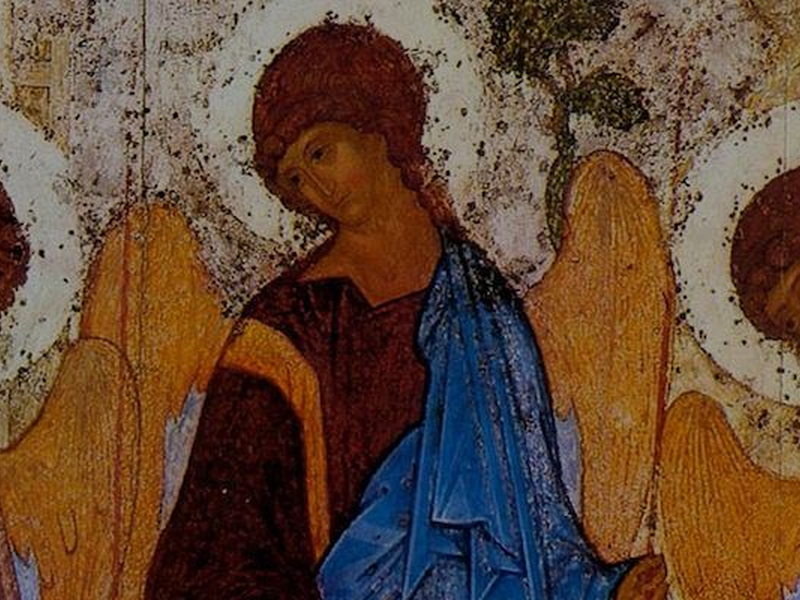
trinity-1-2
Trinity

Are the Divine Persons Persons?

The “personalist” understanding of the Trinity, articulated most influentially in the work of John Zizioulas, has fallen on hard times. Recent scholars have attacked Zizioulas’s idea that Cappadocian Trinitarianism represented an ontological revolution, hammering on the distinction between divine and human personhood. Michel Barnes’s conclusion is the most drastic of…

by Peter LeithartJune 16, 2016
img_4660-2
Architecture

On Biblical Theology

Biblical Theology is often defined as the historical unfolding of God’s revelation, or of God’s revelation and of the history of his covenantal redemption and transformation of humanity and the world. In practice, Biblical Theology is usually broader than this, and also includes the study of literary structure and of…

by James B. JordanJune 14, 2016
laughing_statue_by_xxbobbiie-d5f0meh-2
Humor

Wise Laughter

We are made to be happy. Created to enter into the eternal joy of God, our whole being inclines to that end, but the fallen world has put forth barriers and by our own sin we bar ourselves from that endless delight, and death blinds us to that reality. Yet…

by Remy WilkinsJune 7, 2016
img_7664
Liturgy

Why Theopolis? Take Two

At the end of Revelation, John sees the heavenly city descending to earth. The city shines with the brilliance of God's glory, which lightens the nations, so that kings bring their glory to the city. This is not a vision of the final new heaven and new earth. It's a…

by Peter LeithartJune 2, 2016
trinity-1-2
Attributes of God

How Can We Talk About God?

“No one has ever seen God,” writes John (John 1:18). If this is the case, then how can we speak about God? Some people say we actually cannot. Or at least we cannot speak about God positively, i.e. who He is. We can only say who or what God is…

by Bogumil JarmulakMay 31, 2016

Showing page 130 of 309

See all

Showing page 11 of 43

See all

Easy Sainthood

Rowan Williams concludes a brief summary of the patristic debates about the double/single will of Jesus by saying “we are encouraged to see Jesus as fully aware of the general possibilities of human nature, including the possibilities of betrayal, cowardice, and self-gratification, aware of those as part of his composition…

May 17, 2016

Ministering Sacraments by Faith

For many Christians, sacraments are locked in a winner-take-all battle with faith. Are we reconciled to God by faith or by baptism? Do we feed on Christ by believing or by eating bread and drinking wine? When we place too much emphasis on sacraments, many believe, we run the risk…

May 17, 2016

Why Do We Want Houses?

Peter King begins his Private Dwelling by posing what he describes as simple, silly, obvious questions about housing: What is its use? Who needs it? What is housing for? Early on, he points to the “iconography” implied by our language about housing: “There is an iconography attached to housing that…

May 16, 2016

Sensitivity to Intrinsic Rightness

Charles Taylor's The Language Animal is a defense of HHH against HLC. That is, he thinks the linguistic perspective developed by Hamann, Herder, and Humboldt is superior to the rationalist and empiricist tradition of Hobbes, Locke, and Condillac. HLC “tried to understand language within the confines of the modern representational…

May 16, 2016

A Community of the Fearless

Monks fled. They did not flee from community or contact with others. They fled in order to become more deeply engaged with others in a more radical form of community. Rowan Williams writes ( Silence and Honey Cakes ), “What is learned in the desert is clearly not some individual…

May 16, 2016

Benjamin and Art's Disenchantment

Walter Benjamin had no totalizing philosophical system. He was an essayist, admits Ranier Rochlitz ( The Disenchantment of Art ). Rochlitz doesn't use the term to demean, however. Benjamin “is not an essayist in the manner of Montaigne; the scientific imperative is not lacking in his essays. He conducts concrete…

May 13, 2016

Showing page 289 of 2212

Browse by Category

In Medias Res

Your weekly digest for all things Theopolis.

Donate

Theopolis is nearly 100% donor-supported. Consider joining us on our mission.