Theopolis Logo

Writing

Explore our collection of theological essays, biblical studies, and reflections on faith and culture.

See all
tanner-mardis-xuxghzhibn4-unsplash-1-2
Biblical Studies

Tweets-turned-Notes on the Bible’s Chronology

Summary In what follows, I will consider the “year-stamps” employed in Scripture, i.e., statements of the form, “Such-and-such an event took place in the Xth year of Y.” In the process, I will suggest some ways in which the Biblical narrative might relate to events in the extra-Biblical world, though…

by James BejonJuly 16, 2019
durer-prodigal-son-2
Luke

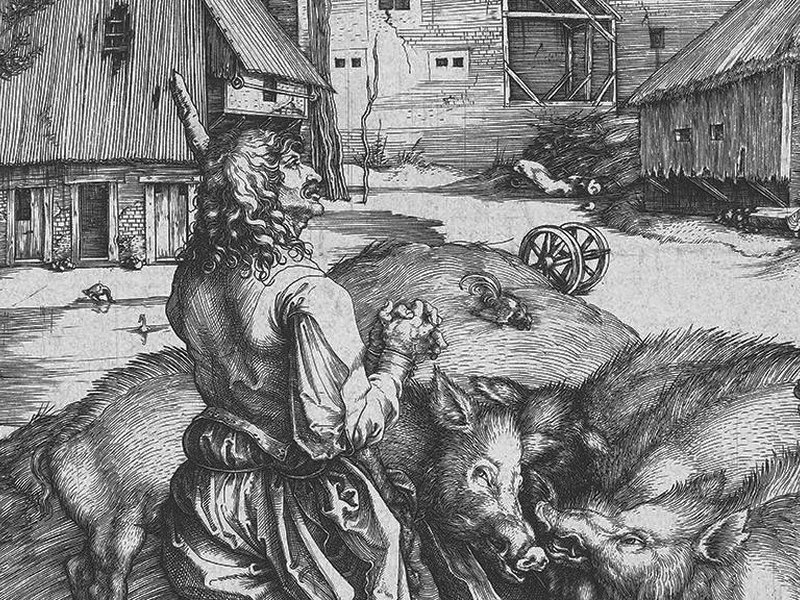
Perspectives on the Prodigal, (Part 2)

In the first essay on the parable of the Prodigal Son, I suggested that the problems commentators and others encounter in interpreting Jesus three-part parable are not accidental. These are not just problems in our ignorance of cultural background. They are intentional features of the stories —stories designed to poke…

by Ralph Allan SmithJuly 11, 2019
durer-prodigal-son-2
Luke

Perspectives on the Prodigal, (Part 1)

The story of the Prodigal Son is perhaps the most well-known story in the Bible. As others have observed, it may also be one of the most misunderstood. In two short essays, I will point out features of this story that are commonly neglected, aspects of Jesus’ parable that might…

by Ralph Allan SmithJuly 9, 2019
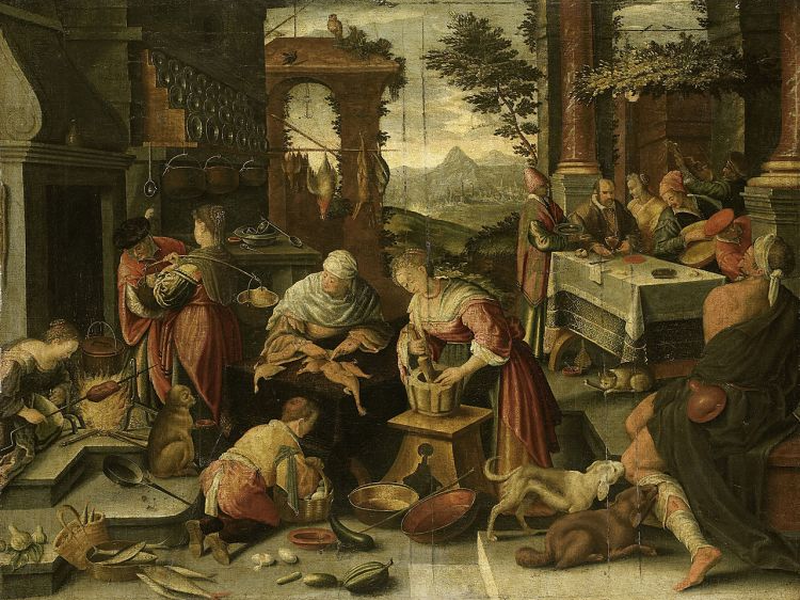
de-rijke-man-en-de-arme-lazarus-by-jacopo-da-ponte-16th-century
Luke

Lazarus and the Rich Man

The parable of Lazarus and the nameless rich man is not an independent story. It is part of a long context that begins in Luke 15:1, where Jesus is eating with tax collectors and sinners and the scribes and Pharisees grumble. In response to their hardheartedness, Jesus tells a three-part…

by Ralph Allan SmithJuly 4, 2019
aaron-burden-uynrnfdkjwg-unsplash
Luke

Everybody has Dropsy - Luke 14:1-24

The Bible is written so that even when a reader cannot pick up on what might be deeper or more detailed aspects of a text, there is virtually always a message to be heard. In the ancient world, where the “reader” of Scripture would likely be a church official facing…

by Ralph Allan SmithJuly 2, 2019
communion
Biblical Theology

Fruit Trees and Grain Plants

The distinction between garden (or vineyard) and field begins in Genesis 2. This relates to the ordering of the formless world. Plants of the field are contrasted with the garden planted by God in Genesis 2:5&8. Later on, under the Old Covenant the Israelites will be required to keep their…

by James B. JordanJune 27, 2019

Showing page 77 of 309

See all

Showing page 11 of 43

See all

Man Must Teach

Rosenstock-Huessy’s essay “Man Must Teach” begins as an analysis of Augustine’s dialogue with his son Adeodatus, the De Magistro , and then broadens out to a treatment of teaching as a paradigmatic social relation, as well as a treatment of the social construction of time. One of the key moves…

October 19, 2015

Tradition and the Theological Virtues

“There is a subtle intrigue going on between the generations,” writes Otto Kroesen in Planetary Responsibilities (120). “It is an intrigue of separating from, and inheriting, and convincing, and letting go of each other.” The recurring question is “whether only one generation can be the owner of the truth and…

October 19, 2015

Showing

The verb deiknuo , “show,” is used eight times in Revelation. Four of the uses are at the seams of the book, at the beginning of each new in-Spirit vision: 1. Jesus has been given to show John what must shortly take place (1:1). 2. When John sees a door…

October 19, 2015

Tradition and the Spirit

As long as the apostles were alive, writes Robert Jenson, churches could check their understanding of the gospel by asking the living apostles: “Is this the gospel?” Once they died, the church needed something to mediate the apostolic witness: “her self-identity as the church of the apostles would not be…

October 19, 2015

The Happening

Revelation begins (1:1, 19) with the announcement that God showed His bondservants what will soon “happen” or “become” ( ginomai ). It ends on the same note (22:6). What is it that happens? Judging from the scattered twenty-six uses of the verb ginomai , the happening that God unveils is…

October 16, 2015

Circles from the Sky

When the seventh bowl is poured out on the air, the world collapses. The throne of God comes to earth, flashing and thundering and shaking the earth until everything that cannot stand collapses. Cities fall, islands run away, mountains disappear. And hailstones weighing a talent ( talantiaia ) fall to…

October 16, 2015

Showing page 362 of 2212

Browse by Category

In Medias Res

Your weekly digest for all things Theopolis.

Donate

Theopolis is nearly 100% donor-supported. Consider joining us on our mission.