Theopolis Logo

Writing

Explore our collection of theological essays, biblical studies, and reflections on faith and culture.

See all
tanner-mardis-xuxghzhibn4-unsplash-1-2
Biblical Studies

Tweets-turned-Notes on the Bible’s Chronology

Summary In what follows, I will consider the “year-stamps” employed in Scripture, i.e., statements of the form, “Such-and-such an event took place in the Xth year of Y.” In the process, I will suggest some ways in which the Biblical narrative might relate to events in the extra-Biblical world, though…

by James BejonJuly 16, 2019
durer-prodigal-son-2
Luke

Perspectives on the Prodigal, (Part 2)

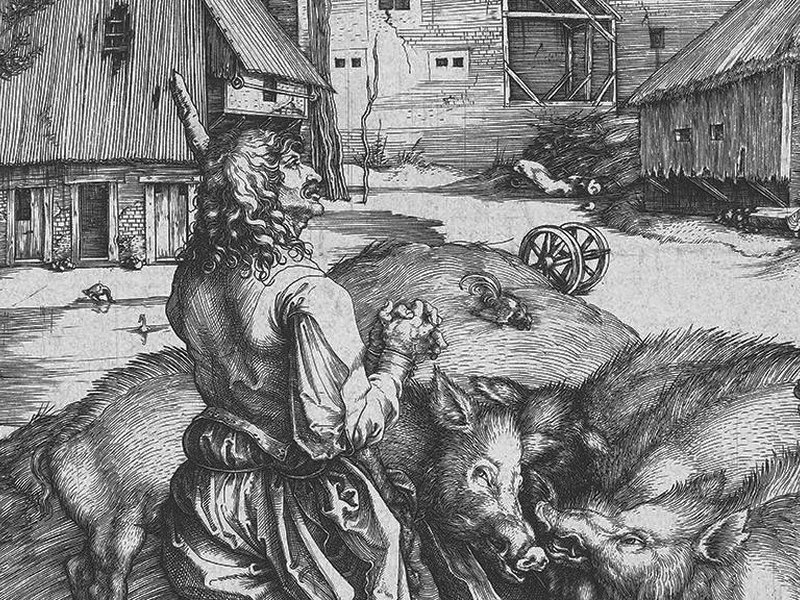
In the first essay on the parable of the Prodigal Son, I suggested that the problems commentators and others encounter in interpreting Jesus three-part parable are not accidental. These are not just problems in our ignorance of cultural background. They are intentional features of the stories —stories designed to poke…

by Ralph Allan SmithJuly 11, 2019
durer-prodigal-son-2
Luke

Perspectives on the Prodigal, (Part 1)

The story of the Prodigal Son is perhaps the most well-known story in the Bible. As others have observed, it may also be one of the most misunderstood. In two short essays, I will point out features of this story that are commonly neglected, aspects of Jesus’ parable that might…

by Ralph Allan SmithJuly 9, 2019
de-rijke-man-en-de-arme-lazarus-by-jacopo-da-ponte-16th-century
Luke

Lazarus and the Rich Man

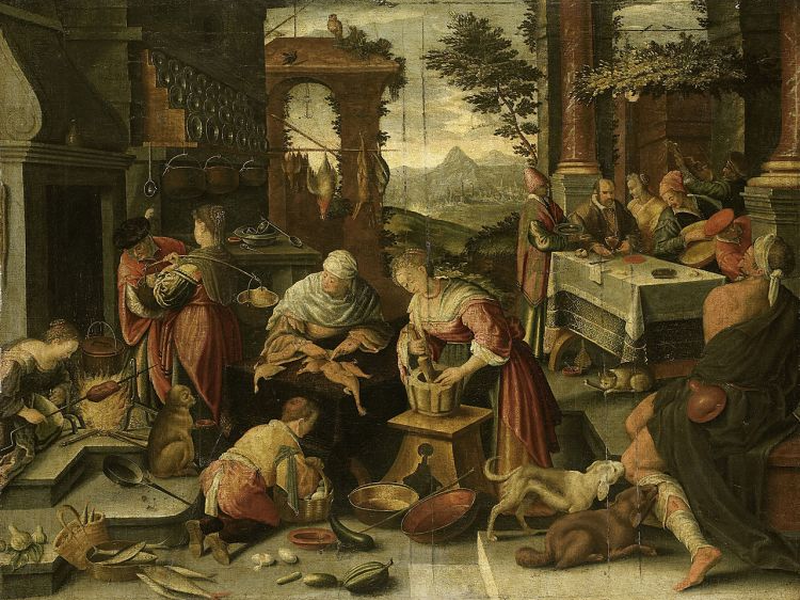
The parable of Lazarus and the nameless rich man is not an independent story. It is part of a long context that begins in Luke 15:1, where Jesus is eating with tax collectors and sinners and the scribes and Pharisees grumble. In response to their hardheartedness, Jesus tells a three-part…

by Ralph Allan SmithJuly 4, 2019
aaron-burden-uynrnfdkjwg-unsplash
Luke

Everybody has Dropsy - Luke 14:1-24

The Bible is written so that even when a reader cannot pick up on what might be deeper or more detailed aspects of a text, there is virtually always a message to be heard. In the ancient world, where the “reader” of Scripture would likely be a church official facing…

by Ralph Allan SmithJuly 2, 2019
communion
Biblical Theology

Fruit Trees and Grain Plants

The distinction between garden (or vineyard) and field begins in Genesis 2. This relates to the ordering of the formless world. Plants of the field are contrasted with the garden planted by God in Genesis 2:5&8. Later on, under the Old Covenant the Israelites will be required to keep their…

by James B. JordanJune 27, 2019

Showing page 77 of 309

See all

Showing page 11 of 43

See all

Overlapping Structures in Revelation 21-22

James Jordan has suggested that the vision of new Jerusalem (Revelation 21:9-22:5) is arranged as a chiastic recasting of the creation week: A. Day 1: Light in the city, 21:10-11 B. Day 2: Boundaries and measurements of the city, 21:12-17 C. Day 3: Materials of the city, 21:18-21 D. Day…

July 30, 2015

Show & Tell

The verb “show” ( deiknuo ) occurs eight times in Revelation, and the eight uses fall into a neat pattern. Twice at the beginning (1:1; 4:1) and twice at the end (22:6, 8), the verb is used with a generic object. God shows “things which must shortly take place” (1:1;…

July 30, 2015

Musical Bridges

In an essay on “barriers and bridges” in American religion, Stephen Warner emphasizes the role of music in building bridges, forging solidarity without requiring assent to a common set of propositions. He offers a florilegium of quotations from various scholars: “At an emotional level, there is something ‘deeper' about hearing…

July 30, 2015

Keeping Time, Keeping Together

William H. McNeill's Keeping Together in Time explores the role of “emotional bonding through rhythmic muscular movement” in history (52). The significance of the phenomenon occurred to him during military training in 1941: “A sense of pervasive movement in unison is what I recall; more specifically, strange sense of personal…

July 30, 2015

End of the End

The final chapter of the Bible (Revelation 22:6-21) is a rapid series of speeches and dialogues, structured in fourfold parallelism. Each new section introduces a new speaker or speech with some form of “he said.” The speakers move from an angel to Jesus to the Spirit and bride. The chapter…

July 29, 2015

Seven Heads

In a 2007 Bibliotheca Sacra article, Mark Hitchcock examines various theories about the identity of the seven heads of the beast in Revelation 17:9-11. It's been proposed that the number seven is purely symbolic of fulness, and that the heads are not to be identified with any historical characters. Hitchcock's…

July 29, 2015

Showing page 396 of 2212

Browse by Category

In Medias Res

Your weekly digest for all things Theopolis.

Donate

Theopolis is nearly 100% donor-supported. Consider joining us on our mission.