Theopolis Logo

Writing

Explore our collection of theological essays, biblical studies, and reflections on faith and culture.

See all
tanner-mardis-xuxghzhibn4-unsplash-1-2
Biblical Studies

Tweets-turned-Notes on the Bible’s Chronology

Summary In what follows, I will consider the “year-stamps” employed in Scripture, i.e., statements of the form, “Such-and-such an event took place in the Xth year of Y.” In the process, I will suggest some ways in which the Biblical narrative might relate to events in the extra-Biblical world, though…

by James BejonJuly 16, 2019
durer-prodigal-son-2
Luke

Perspectives on the Prodigal, (Part 2)

In the first essay on the parable of the Prodigal Son, I suggested that the problems commentators and others encounter in interpreting Jesus three-part parable are not accidental. These are not just problems in our ignorance of cultural background. They are intentional features of the stories —stories designed to poke…

by Ralph Allan SmithJuly 11, 2019
durer-prodigal-son-2
Luke

Perspectives on the Prodigal, (Part 1)

The story of the Prodigal Son is perhaps the most well-known story in the Bible. As others have observed, it may also be one of the most misunderstood. In two short essays, I will point out features of this story that are commonly neglected, aspects of Jesus’ parable that might…

by Ralph Allan SmithJuly 9, 2019
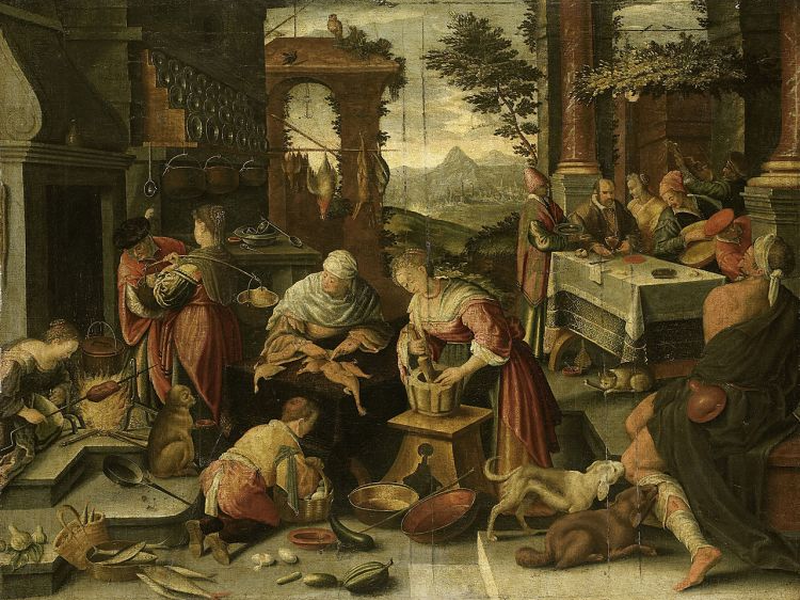
de-rijke-man-en-de-arme-lazarus-by-jacopo-da-ponte-16th-century
Luke

Lazarus and the Rich Man

The parable of Lazarus and the nameless rich man is not an independent story. It is part of a long context that begins in Luke 15:1, where Jesus is eating with tax collectors and sinners and the scribes and Pharisees grumble. In response to their hardheartedness, Jesus tells a three-part…

by Ralph Allan SmithJuly 4, 2019
aaron-burden-uynrnfdkjwg-unsplash
Luke

Everybody has Dropsy - Luke 14:1-24

The Bible is written so that even when a reader cannot pick up on what might be deeper or more detailed aspects of a text, there is virtually always a message to be heard. In the ancient world, where the “reader” of Scripture would likely be a church official facing…

by Ralph Allan SmithJuly 2, 2019
communion
Biblical Theology

Fruit Trees and Grain Plants

The distinction between garden (or vineyard) and field begins in Genesis 2. This relates to the ordering of the formless world. Plants of the field are contrasted with the garden planted by God in Genesis 2:5&8. Later on, under the Old Covenant the Israelites will be required to keep their…

by James B. JordanJune 27, 2019

Showing page 77 of 309

See all

Showing page 11 of 43

See all
birds

Ornitheology

Basics of the biblical symbolism of birds 1)Birds were created on Day 5 of the creation week, along with swarmers of the sea, i.e., fish. Earlier, Elohim had formed earth into a three-decker house, firmament above, earth beneath, waters under the earth. He fills the firmament on Day 4 (with…

February 27, 2019
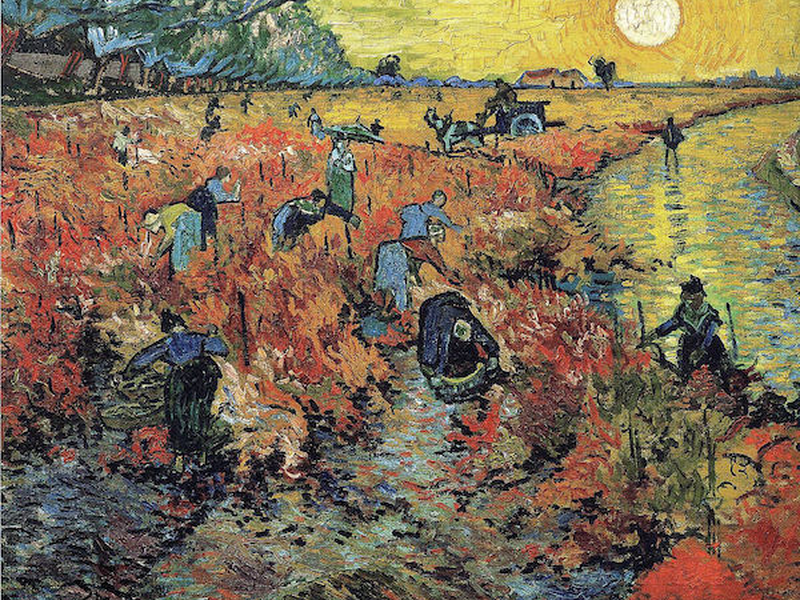
vineyard-van-gogh
Metaphysics

Act & Potency

A highlight from the latest edition of Mars Hill Audio . If you're not a subscriber, shame on you.D.C. Schindler explains the significance of the classical claim that actuality is prior to potentiality. It means that potential is limited (and also unleashed) by the particular thing that a thing is.…

February 25, 2019
thomas-aquinas

Thomas on the Ten

Thomas Aquinas ( ST I-II, q. 100, art. 5) compares the role of law in human communities with the role of divine law in the commonwealth of men under God: “just as the precepts of human law direct man in his relations to the human community, so the precepts of…

February 20, 2019
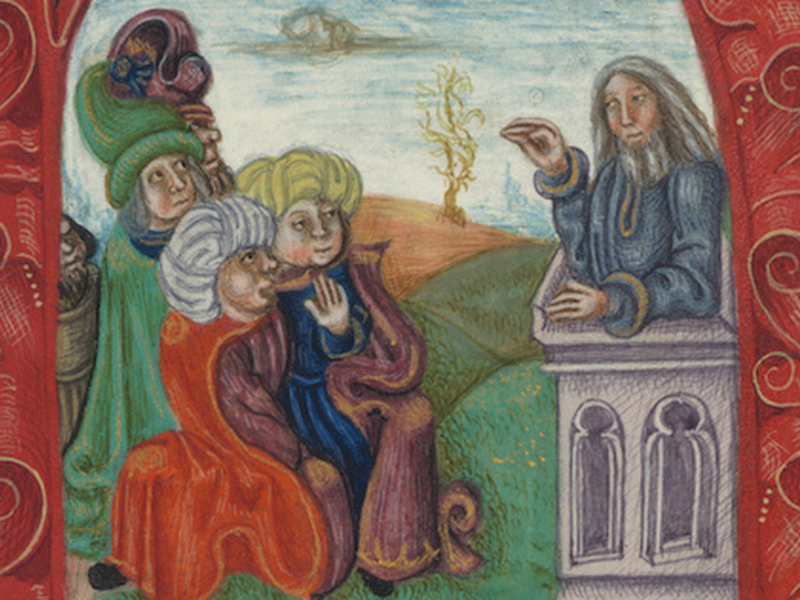
moses-preaching-illuminated

Counting to Ten

In an essay in a Festschrift for Daniel Block (available here ), Jason DeRouchie wants to teach us to count to ten, as in Ten Commandments. He examines the Hebrew cantillation signs, discourse features, stylistic elements of the Ten to settle which of the various numbering systems is preferable. One…

February 18, 2019
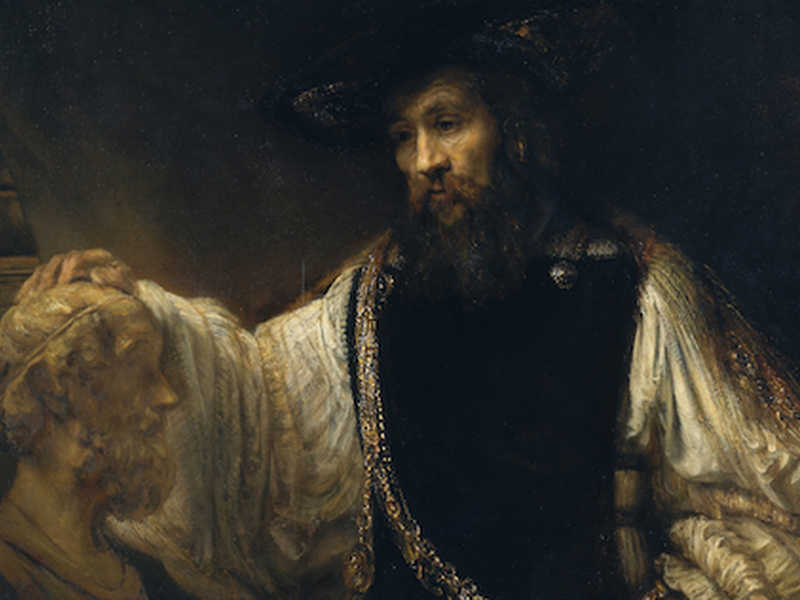
aristotle-rembrandt
Metaphysics

Mythic Metaphysics

The "shadow" of sacrificial, tragic mythos, writes David Bentley Hart (in an essay on the First Word in I Am the Lord Your God ), "falls across the philosophical schools of antiquity" (63). Ancient philosophy wasn't, in short, a systematization of obvious common sense, but of ancient common sense. Which…

February 13, 2019
kiss-klimt
Sexuality

Sexual Anarchy, Political Tyranny

In the second volume of Robert Jenson’s Systematic Theology (2001), he discusses the Ten Words. His treatment of “Thou shalt not commit adultery” is profoundly important. Sexuality is the intersection of sensuality and reproduction. Sensuality is “the sheer fact that the subject is drawn to an object; it is captivation…

February 12, 2019

Showing page 47 of 2212

Browse by Category

In Medias Res

Your weekly digest for all things Theopolis.

Donate

Theopolis is nearly 100% donor-supported. Consider joining us on our mission.