Theopolis Logo

Writing

Explore our collection of theological essays, biblical studies, and reflections on faith and culture.

See all
img_7543
Nevin Lectures

Fourth Annual Nevin Lectures: Robert Kolb

Why Do Siblings Feud? Presuppositions, Principles, and Practice in Reformed-Lutheran Relationships Robert Kolb, International Research Emeritus Professor for Institute for Mission Studies, Concordia Seminary, St Louis, Missouri. Lecture Topics 1) Law and Gospel: Answering the Question Posed 2) The Lord's Supper: Christ's Presence and Promise 3) Worship and Created Things:…

by Brian MoatsDecember 30, 2016

e99a2994
Advent

Exodus to Eden

From Genesis 3, West-to-East movement is always movement away from God’s presence and His house (cf. Genesis 3:24). Adam and Eve were cast out of the Garden to the east, and when Cain was later cast out he was sent to the land east of Eden. The men of Babel,…

by Peter LeithartDecember 30, 2016
holy-family
Advent

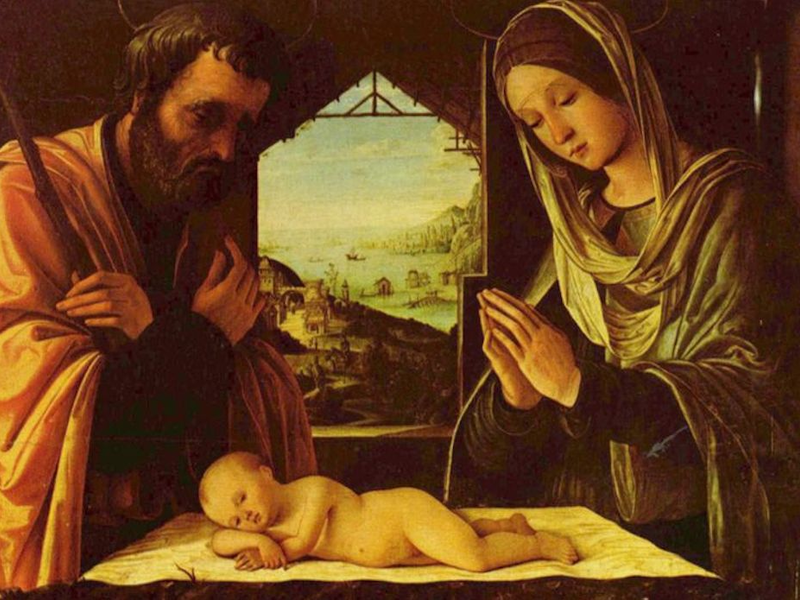
Immanuel's Table

In his account of Jesus' birth, Matthew cites a prophecy assuring Judah of her victory over Israel and Aram. Immanuel is also a sign of the Lord’s judgment. When God comes near, He comes to bless and to curse, to save and to condemn, for deliverance and for judgment. The…

by Peter LeithartDecember 29, 2016
massacre2
Abortion

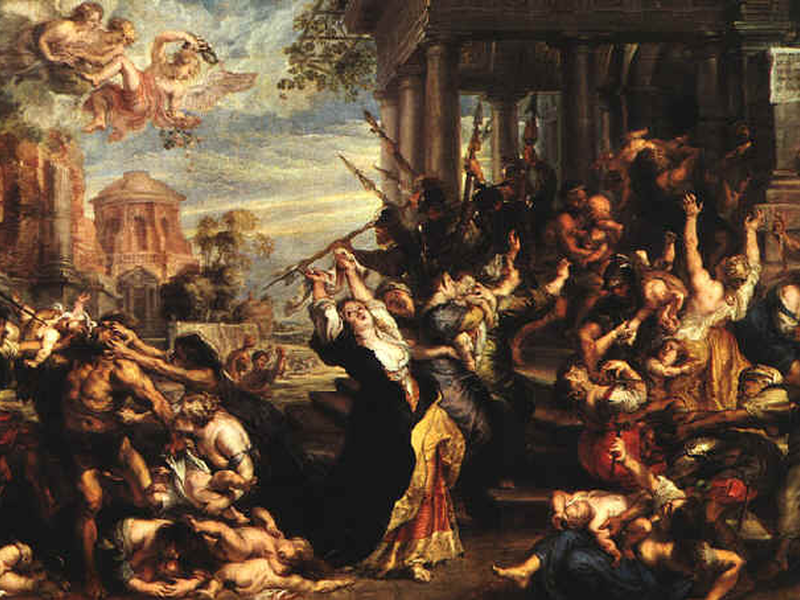
Holy Innocents

For many in the modern era, Christianity has been seen as an apolitical religion. Christianity is a private, spiritual religion. It's a convenient myth for modern people. After the Reformation, Europe entered a period of protracted and often vicious conflict that left large portions of Western Europe devastated. Many concluded…

by Peter LeithartDecember 28, 2016
sixteen-miles-out-d40gdcd_-he-unsplash
Advent

Christmas Light, Christmas Love

The Christmas gospel announces the coming of day. Those in darkness see a great light, as the Sun rises with healing in His wings. The light has come into the world that lightens every man, to give light to those who sit in darkness and in the shadow of death.…

by Peter LeithartDecember 27, 2016
screen-shot-2022-05-12-at-12-07-23-pm
Advent

Word Made Food

How do we know God loved the world? John tells us that He demonstrates His love in sending His Son. To paraphrase Paul, God has demonstrated His love for us in that while we were still sinners Christ was born for us. He sent His Son to take on human…

by Peter LeithartDecember 26, 2016

Showing page 119 of 309

See all

Showing page 12 of 43

See all
Philosophy

Mirrors, ancient and modern

In her recent book The Mirror of the Self , Shadi Bartsch argues that ancient notions of introspection and self-examination do not employ the image of the mirror in the way we do in post-Cartesian philosophy. In the words of the TLS reviewer, for the ancients “the mirror was the…

June 27, 2007

Enjoyment in God

Wilken summarizes Augustine’s social vision of perfection this way: “This peace for which the city of God yearns is a ‘perfectly ordered and harmonious fellowship in the enjoyment of God,’ a peace of ‘enjoying one another in God.’ Notice that Augustine’s language is social, not individualistic. He does not say,…

June 26, 2007

Ecclesiology of perfection

When Plato thought about politics, he thought about an ideal city (at least in the Republic ). Not Augustine. Augustine recognized that Plato had portrayed “what kind of city ought there to be.” But Augustine was after something different. He presented an actual human society, a city of God in…

June 26, 2007
Theology

Empty minds

Aquinas wrote: “If the teacher determines the question by appeal to authorities only, the student will be convinced that the thing is so, but will have acquired no knowledge or understanding, and he will go away with an empty mind.”

June 26, 2007

Cyril and the Bible

In his wonderful book, The Spirit of Early Christian Thought , Robert Louis Wilken criticizes the Formula of Chalcedon as “formulaic and abstract,” which described Jesus as “one person,” but “seemed to divide Christ into a divine nature that, for example, healed the sick and raised the dead and a…

June 26, 2007
History

No heavenly good

Alcinous, a pagan philosopher of the second century AD claimed that God is “eternal, ineffable, self-sufficient, without need . . . and perfect in every respect.” The only way to know such a God was to ascend from earthly things to higher realities: “First one contemplates the beauty found in…

June 26, 2007

Showing page 1663 of 2212

Browse by Category

In Medias Res

Your weekly digest for all things Theopolis.

Donate

Theopolis is nearly 100% donor-supported. Consider joining us on our mission.