Theopolis Logo

Writing

Explore our collection of theological essays, biblical studies, and reflections on faith and culture.

See all
paul-2
Romans

Notes on Scary Stuff in Romans 9

What shall we say then? Is there injustice on God’s part? By no means! For he says to Moses, “I will have mercy on whom I have mercy, and I will have compassion on whom I have compassion.” So then it depends not on human will or exertion, but on…

by Mark HorneFebruary 5, 2015
lunch-counter
American Politics

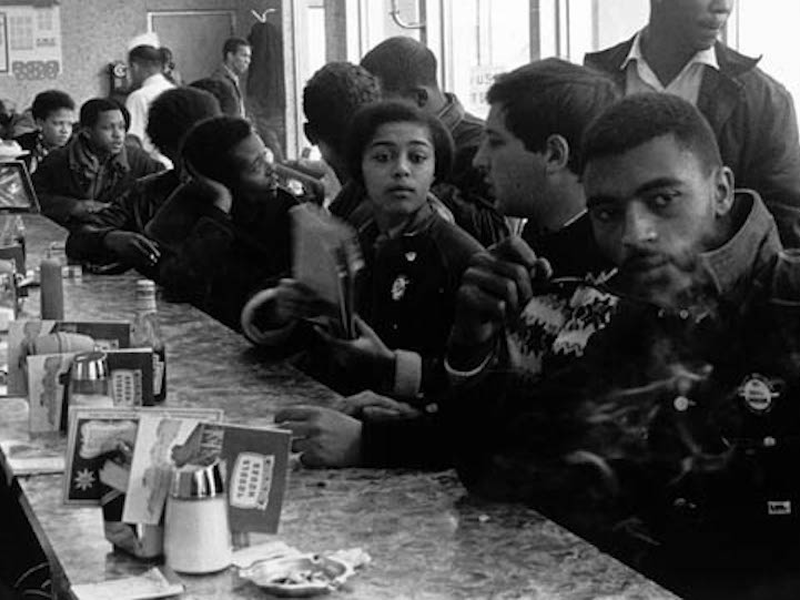
Covenants of Exclusion

A hundred years ago, William Warley signed a contract to buy a house in Louisville, Kentucky from Charles Buchanan, a white man. Before closing the sale, Warley, who was black, learned that the lot was subject to a city ordinance barring blacks from occupying the premises if most of the…

by Brendan O'DonnellFebruary 3, 2015
shakespeare-2
Literature

The Bard and the Book

I concluded the first essay on this topic by saying that I would introduce three books about Shakespeare and the Bible, but I decided to introduce four instead. The three books become four are: Naseeb Shaheen, Biblical References in Shakespeare’s Plays (London: Associated University Presses, 1999) ; Hannibal Hamlin, The…

by Ralph Allan SmithJanuary 29, 2015
augustine-2
Augustine

Augustine on Pagan Virtue

My children attend a classical Christian school, situated in the independent “free church” evangelical tradition. Over the past few years they have been growing in their acquaintance with the world of Homer, Plato, Virgil, and Livy. They enjoy it, and I envy it. The school is a great school. My…

by Gerald HiestandJanuary 27, 2015
prodigal-son
Atonement

The Prodigal and the Cross

The Prodigal Son parable (Luke 15) has been a favorite of liberal theologians for a couple of centuries. It seems to be a parable designed for liberal sensibilities: An indulgent, accepting Father; forgiveness extended without a cross; a surly older brother who might represent the "conservative" face of religion who…

by Peter LeithartJanuary 22, 2015
sky-from-bridge
Ascension

Underground Man, Ascended Man

“I want now to tell you, gentlemen, whether you care to hear it or not, why I could not even become an insect. I tell you solemnly, that I have many times tried to become an insect. But I was not equal even to that. I swear, gentlemen, that to…

by Richard BledsoeJanuary 20, 2015

Showing page 161 of 309

See all

Showing page 12 of 43

See all

Logic of Impurity

It's an inventive solution. In an essay on the Logic of Impurity , David Kraemer argues, counterintuitively, that impurity marks something as God's possession. He argues from the strange anomalies associated with corpse defilement and its cleansing: “The human corpse is, according to the Torah, the most powerful source of…

March 23, 2016
Easter

Through the Darkness

Holy Week is a passage through darkness, as we commemorate the betrayal, arrest, trial, and crucifixion of Jesus. But Holy Week doesn't end on the cross. Easter dispels the darkness. Good Friday followed by Easter means that darkness and death no longer mark an end, but mark a beginning. It…

March 22, 2016

Erotic Politics

Paul Ludwig ( Eros and Polis ) observes that “A recurrent feature of ancient Greek political discourse was the assertion that erotic passion was a causal factor in the emergence and maintenance, as well as the decline, of the Greek polis.” But this didn't make the Greek proto-Foucauldians: “the term…

March 22, 2016

Dreamworks

Kelley Bulkeley's Big Dreams is about the big subject of religion, examined from the perspective of our dreaming. He begins with the simple, well-known observation that most of our dreams are quickly forgotten, while “a few are highly memorable.” Any account of dreaming should try to account for this. Taking…

March 22, 2016

Paul Provoked

As Paul strolls through Athens, what impresses him is not the architecture, culture, or art. He sees that the city is full of idols, and he is provoked in spirit (Acts 17:16). That provokes a few reflections. What did Paul see that others in Athens did not see? What would…

March 21, 2016

Crowds

Gustave Le Bon's The Crowd was first published in 1895. It reads like something taken from today's headlines about the crowds generated by Donald Trump's campaign. Le Bon argued that a crowd involved the “disappearance of conscious personality and the turning of feelings and thoughts in a definite direction, which…

March 21, 2016

Showing page 308 of 2212

Browse by Category

In Medias Res

Your weekly digest for all things Theopolis.

Donate

Theopolis is nearly 100% donor-supported. Consider joining us on our mission.